




The Hidden Enemy: What Is Root Rot?
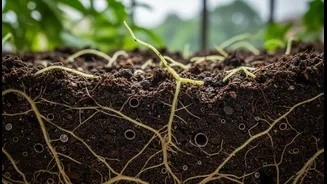
Root rot is a disease that, as the name suggests, causes a plant's root system to decay. It's primarily caused by overwatering and poor drainage. When soil becomes waterlogged, there are no air pockets left for the roots to breathe. This oxygen-deprived
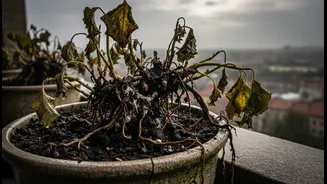
environment becomes a perfect breeding ground for fungi like Pythium and Phytophthora. These opportunistic pathogens, often dormant in the soil, multiply rapidly and begin to attack the plant's vulnerable, suffocating roots. The result is a root system that turns brown, soft, and mushy, losing its ability to absorb water and nutrients, effectively starving the plant from below.
July's Perfect Storm: Monsoon, Humidity, and Heat
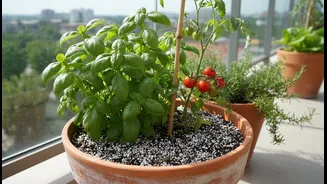
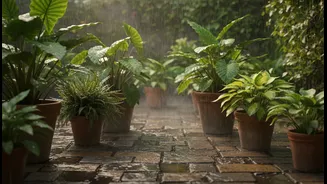
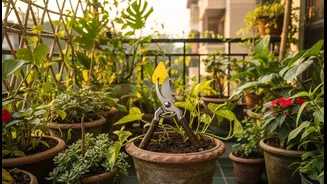
For Indian balcony gardeners, July presents a unique and potent threat. The arrival of the monsoon brings heavy, often relentless rain. While this water is essential for life, in the confined space of a pot, it can quickly lead to waterlogging. Compounding the problem is the high humidity and persistent warmth of the season, which creates an ideal incubator for fungal growth. Unlike gardens on the ground where excess water can drain away, balcony pots can easily become stagnant pools, making container plants especially vulnerable during this period. This combination of excess water and warmth is the perfect recipe for a root rot outbreak.
Spotting the Danger Signs Early
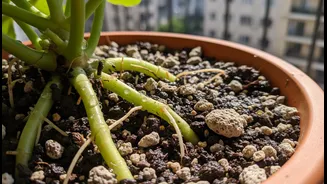
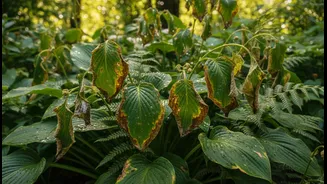
The tricky thing about root rot is that the initial damage happens underground, out of sight. However, your plants will send out distress signals. One of the most common signs is wilting, even when the soil feels wet to the touch. This happens because the rotting roots can no longer absorb water to supply the leaves. Other key symptoms include yellowing lower leaves, stunted or slowed growth, and leaves that fall off easily. In advanced cases, you might notice a foul, musty smell coming from the soil, which is the odour of decay. If you suspect root rot, gently easing the plant out of its pot will give you a definitive answer: healthy roots are firm and white, while rotten ones are dark, slimy, and fall apart when touched.
Your Best Defence: Introducing Perlite
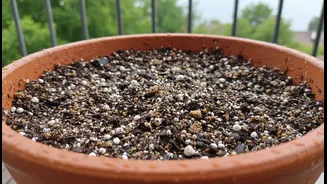
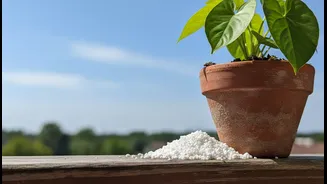
Fortunately, preventing root rot is much easier than treating it, and one of the most effective tools in your arsenal is perlite. Perlite is not a chemical or a fertiliser; it's a naturally occurring volcanic glass. When this rock is heated to a high temperature, it pops like popcorn, expanding into a lightweight, sterile, and porous white granule. Its primary role in gardening is not to provide nutrients but to improve the physical structure of the soil. Think of it as creating permanent air pockets within your potting mix.
How Perlite Protects Your Plants
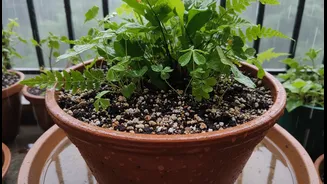
The magic of perlite lies in its structure. When mixed into potting soil, these light, airy granules prevent the soil from compacting. This creates a network of tiny channels and air pockets. During heavy monsoon rains or an accidental overwatering, these channels allow excess water to drain away freely instead of pooling at the bottom of the pot. This ensures that your plant's roots always have access to the oxygen they need to breathe. By preventing waterlogged conditions, perlite makes the soil environment inhospitable to the fungi that cause root rot, stopping the disease before it can even start.
Using Perlite for a Thriving Balcony Garden
Incorporating perlite is simple. When preparing a new potting mix, a good rule of thumb is to use a ratio of about one part perlite to two or three parts of your main potting medium (like soil and compost or coco peat). For plants that are particularly sensitive to wet conditions, like succulents, you can increase the ratio. Before mixing, it's a good idea to lightly moisten the perlite to prevent dust from flying around. If you have existing plants in soil that drains poorly, you can gently repot them into a new mix with perlite. This small step provides your plants with a crucial defence mechanism, ensuring they remain healthy and vibrant throughout the challenging monsoon season.