




A Tropical Touch for Any Room
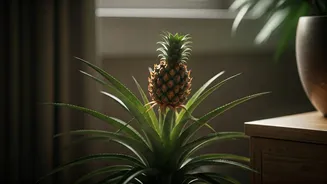
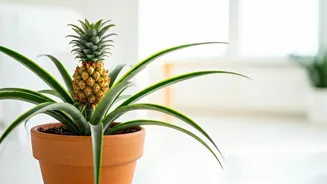
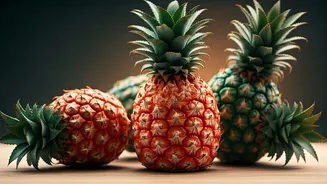
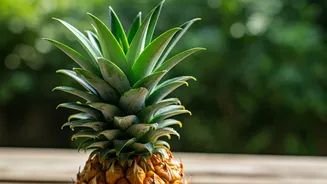
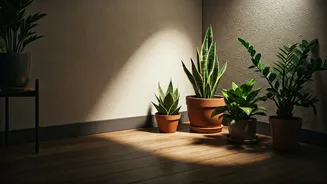
Beyond the delicious fruit, the pineapple plant itself is a striking architectural specimen. As a member of the Bromeliad family, it features a rosette of spiky, sword-like leaves that can bring an exotic flair to a sunny windowsill or living room corner.
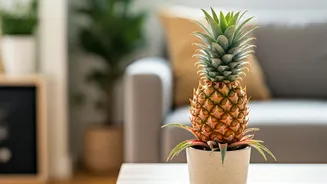
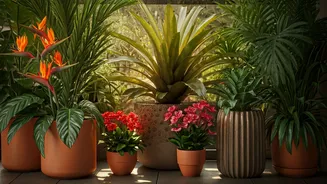
These plants are surprisingly well-suited for indoor life, offering a bold, structural look that contrasts beautifully with softer-leafed plants. Their slow-growing nature makes them manageable, and the journey of nurturing one from a simple fruit top is a fun horticultural experiment. You can even find ornamental varieties, like the variegated pineapple with its striped green and cream leaves, which are grown specifically for their stunning foliage.
How to Plant a Pineapple Top
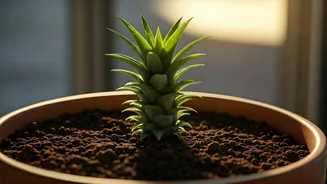
Your journey begins with a fresh pineapple. Select one with healthy, green leaves. The easiest way to remove the top is to firmly grasp the leafy crown and twist it off the fruit. After twisting, peel away the lowest few layers of small leaves to expose about an inch of the stalk. You will see small, brown bumps around the base—these are the root buds. Let the crown sit in a dry, warm spot for a few days to allow the cut surface to harden, which helps prevent rot. While you can root the top in water, planting it directly in soil is often more successful. Plant the base in a pot with well-draining potting mix, such as one for cacti or succulents, ensuring the leafy part remains above the soil. Water it thoroughly and place it in a bright spot.
Caring For Your New Plant
Pineapple plants are tropical natives, so they crave sun and warmth. They need at least six hours of bright, direct sunlight daily, making a south-facing window an ideal location. Keep the plant in a warm room, ideally where temperatures stay above 16°C. One of the biggest mistakes is overwatering. These plants are drought-tolerant and prefer their soil on the drier side to prevent root rot. A good rule is to water only when the top inch or two of soil feels dry. Water thoroughly, allowing excess to drain out completely. During the spring and summer growing season, you can feed your plant with a balanced liquid fertiliser every few weeks to encourage healthy growth.
Common Problems to Watch For
Pineapple plants are quite hardy, but a few issues can arise. Yellowing leaves are a classic sign of overwatering. If you see this, reduce your watering frequency and ensure the pot has excellent drainage. Brown, crispy leaf edges can indicate the plant is too dry or getting scorched by intense, direct sun. While they love light, they may need to be moved slightly away from the glass on very hot days. Pests like mealybugs and scale insects can sometimes appear. These can usually be managed by wiping them off or using an insecticidal soap.
Patience and the Pineapple Fruit
The most exciting part, of course, is the prospect of a homegrown pineapple. However, this is a test of patience. It can take two to three years for a plant grown from a top to mature enough to produce a flower and then a fruit. The plant will flower only once, sending up a central stalk that blooms and eventually develops into a single pineapple. After fruiting, the main mother plant will slowly decline, but it will also produce offshoots called "pups" or suckers at its base. These pups can be separated and planted to start the process all over again, giving you a continuous supply of these fascinating plants.