







Why a Rooftop Garden Is Your Best Friend This Monsoon
A layer of green on your roof does more than just look pretty. Plants provide shade and release moisture through a process called evapotranspiration, which naturally cools the air. Studies show a green roof can be significantly cooler than a conventional
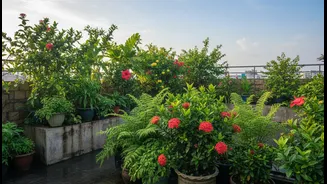
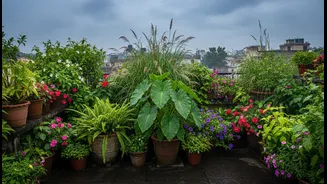
one, reducing indoor temperatures and the need for air conditioning. During the monsoon, these gardens also act like sponges, absorbing a large percentage of rainwater, which helps reduce urban runoff and prevents waterlogging on your roof. The key is choosing plants that love the humidity and can handle the downpours without getting damaged.
Hibiscus: The Hardy Tropical Bloomer
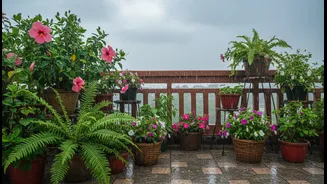
Hibiscus is a classic choice for Indian gardens for a good reason. It thrives in sunlight and its large, vibrant flowers bloom profusely during the monsoon season. The increased moisture and cooler air encourage more flowers compared to the dry summer months. Its dense foliage provides excellent shade coverage for the roof surface. Ensure your pots have good drainage, as even this hardy plant doesn't like to have its roots sitting in standing water. Regular pruning in the early monsoon can help shape the plant and lead to even more blooms.
Jasmine (Mogra): Fragrance and Resilience
Known for its intoxicating fragrance, especially in the evenings, Mogra or Jasmine is a monsoon-loving plant. These climbing vines or shrubs adore the humidity, growing vigorously during the rainy season. Their dense leaves can be trained over a trellis to create a living, fragrant canopy that shades your roof. Jasmine is relatively low-maintenance and its sweet scent combined with the smell of rain creates a truly serene atmosphere on any terrace. For the best results, place it in a spot that receives at least five to six hours of sunlight.
Ferns: The Moisture-Loving Coolers
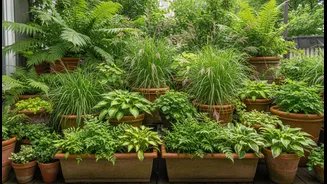
If you want to create a lush, woodland feel, ferns are an excellent choice. These plants are known for releasing a significant amount of moisture into the surrounding air, which has a noticeable cooling effect. They thrive in the high humidity of the monsoon and prefer partially shaded spots, making them ideal for corners of your terrace that don't get direct, harsh sunlight. Their delicate, green fronds add a soft texture to your garden and help improve the microclimate of your rooftop space.
Rain Lily: The Monsoon Surprise
As its name suggests, the Rain Lily is a delightful plant that often bursts into bloom right after a spell of rain. These small, bulbous plants produce beautiful, star-shaped flowers in shades of pink, white, and yellow, adding a pop of unexpected colour to your garden. They are incredibly low-maintenance and perfect for the edges of larger pots or in their own small containers. Their ability to thrive in the monsoon's wet conditions makes them a resilient and cheerful addition to any rooftop garden.
Creepers and Climbers: Vertical Green Walls
Don't just think horizontally; go vertical. Fast-growing climbers like the Betel Leaf plant or Money Plant (Pothos) can be trained on a trellis or against a wall. This creates a vertical green curtain that provides excellent shade and prevents walls from heating up. The Money Plant is famously forgiving and grows even faster during the monsoon thanks to the high humidity. These climbers make efficient use of space and are highly effective at cooling the surfaces they cover.
Vegetables: An Edible, Cooling Canopy
The monsoon is a fantastic season for growing certain vegetables on your rooftop. Gourds like bottle gourd and ridge gourd grow explosively in the rain, and their broad leaves can cover a large area when supported by a strong trellis, creating a productive and cooling canopy. Leafy greens such as Amaranth also thrive in the humidity. Growing your own vegetables not only provides fresh, organic produce but also contributes to a cooler and more sustainable home environment.