





A New Kind of Activism
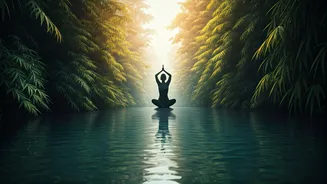
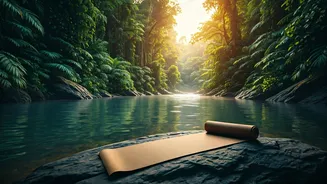
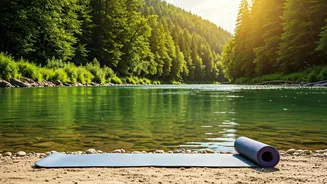
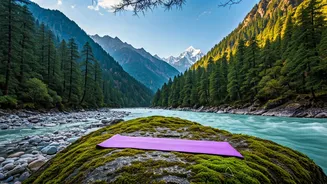
Across the country, from the ghats of Rishikesh to the urban riverfronts of major cities, youth-led yoga circles are emerging with a unique purpose. They are combining the ancient practice of yoga with a modern environmental consciousness. This isn't
activism with placards and slogans, but a more introspective form of engagement. The core idea is simple yet profound: by practicing mindfulness in the presence of natural water bodies, participants build a personal, emotional bond with them. This connection, they believe, is the first step towards inspiring genuine, long-lasting conservation efforts.
From Inner Peace to Outer Action
How does a breathing exercise help clean a river? The philosophy behind this movement is that external change begins with internal transformation. Traditional environmentalism often focuses on policy, technology, and clean-up drives. While crucial, proponents of this new wave argue that these efforts lack a key ingredient: a deep, personal sense of responsibility. When a river is no longer just a resource to be managed but a living entity that brings you peace and solace, the desire to protect it becomes intrinsic. The yoga sessions, often held at sunrise or sunset, serve as a bridge, turning abstract ecological concern into a felt experience. The calm cultivated on the yoga mat is channelled into a protective instinct for the river flowing beside it.
The Voice of the Youth
This movement is being championed primarily by millennials and Gen Z. For a generation grappling with unprecedented climate anxiety and a sense of disconnection in a digital world, this fusion of wellness and eco-activism offers a powerful antidote. It provides a tangible way to act, a community to belong to, and a spiritual framework for processing eco-grief. Many young participants speak of feeling helpless in the face of large-scale environmental degradation. These yoga circles empower them by localising the problem and the solution. Instead of trying to save the whole planet at once, they start with the river in their own city, fostering a sense of agency and hope.
More Than Just a Pose
The practice of riverside yoga is not an end in itself. These gatherings are quickly becoming incubators for tangible action. The sessions often conclude with discussions about the specific challenges facing the local river, from pollution to encroachment. This awareness frequently translates into organised clean-up drives, where the same group that practiced asanas in the morning returns with gloves and bags in the afternoon. Some groups are going further, engaging in water quality testing, planting native vegetation along the banks to prevent erosion, and using social media to document the river’s condition and advocate for better civic management. The yoga mat becomes a launchpad for community-led conservation.
A Return to Cultural Roots
In many ways, this movement is also a modern reinterpretation of ancient Indian wisdom. Rivers have always held a sacred place in Indian culture, revered as goddesses and lifelines. Over time, rapid urbanisation and industrialisation have weakened this spiritual bond. By bringing yoga—another pillar of Indian heritage—back to the riverbanks, these young people are not inventing something new so much as they are reviving a lost tradition of reverence. They are reclaiming the idea that human well-being and the health of the natural world are inextricably linked. It’s a powerful message, delivered not through a lecture, but through the shared, silent practice of a sun salutation facing a beloved river.