







Why Your Diet Needs a Monsoon Makeover
The monsoon brings welcome relief from the scorching summer heat, but it also brings high humidity, a drop in temperature, and an increased risk of infections. According to both ancient Ayurvedic wisdom and modern nutritional science, this seasonal shift
has a direct impact on our bodies, particularly our digestive system. The humidity can make our digestive fire, or 'agni' in Ayurveda, sluggish. This means our ability to break down heavy, oily, and complex foods is significantly reduced, leading to issues like bloating, indigestion, and lethargy. Furthermore, the damp environment is a breeding ground for bacteria and viruses, making us more susceptible to water-borne and food-borne illnesses. The idea behind a monsoon diet isn't about restriction; it's about aligning our food choices with our body's diminished digestive capacity and bolstering our immunity to stay healthy through the season.
From Grandmother's Kitchen to Instagram Feeds
For generations, Indian grandmothers have advocated for lighter meals during the rainy months. The advice to avoid leafy greens (which can harbour dirt and germs), reduce dairy, and favour warm, cooked meals is time-tested wisdom. What's new is how this knowledge is 'going mainstream'. Once confined to family kitchens, the monsoon diet is now a prominent wellness trend. Nutritionists and health coaches are actively promoting seasonal eating on social media, cafes are curating special 'monsoon menus' featuring light soups and herbal teas, and wellness influencers are sharing recipes for 'khichdi' and 'kadha'. This shift is driven by a growing, modern interest in preventative healthcare and a return to holistic, natural living. People are no longer just looking for cures; they are seeking sustainable habits to maintain well-being, and a seasonal diet fits perfectly into this paradigm. It has transformed from an oral tradition into a documented, shareable, and aspirational lifestyle choice.
Foods to Embrace This Season
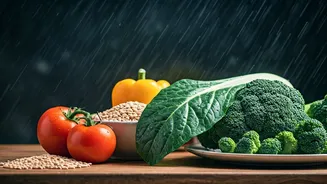
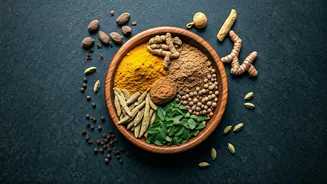
The core principle of a monsoon diet is to eat foods that are light, warm, and easy to digest. Think of your plate as a source of gentle, warming energy. Incorporate plenty of well-cooked vegetables like lauki (bottle gourd), tori (ridge gourd), and parwal (pointed gourd). When it comes to grains, opt for older, lighter varieties like barley, moong dal, and old rice. A simple moong dal khichdi is considered a near-perfect monsoon meal for its balance of nutrients and digestibility. Soups are another excellent choice, especially those made with lentils or vegetables and flavoured with digestive spices. Speaking of spices, make friends with ginger, garlic, turmeric, black pepper, and hing (asafoetida). These not only add flavour but also aid digestion and possess anti-inflammatory and anti-bacterial properties. Small, frequent meals are often better than three large, heavy ones.
What to Reduce or Avoid
Just as important as what you eat is what you avoid. The first to go should be heavy, deep-fried foods like samosas and pakoras. While emotionally satisfying on a rainy day, they are a nightmare for a sluggish digestive system. Similarly, reduce the intake of foods that are hard to digest or can cause bloating, such as certain legumes like chana and rajma. It’s also wise to be cautious with raw foods, especially salads and cut fruit from outside vendors, due to the higher risk of contamination. Traditionally, leafy green vegetables are also consumed sparingly during this season, and if you do eat them, ensure they are thoroughly washed and well-cooked. Dairy products, particularly yoghurt, can increase phlegm and should be consumed in moderation. The goal is to reduce the load on your gut, giving it the support it needs to function optimally.
Smart Sips for Rainy Days
Hydration is key, but the source matters. Instead of reaching for ice-cold drinks that can further dampen your digestive fire, opt for warm or room-temperature water. A fantastic habit to adopt is sipping on herbal teas throughout the day. A simple brew of ginger, lemon, and honey can boost immunity and soothe the throat. Other great options include tulsi tea, fennel tea, or a classic 'kadha' made with a blend of spices like clove, cinnamon, and black pepper. These warm beverages not only keep you hydrated but also help in fighting off common monsoon ailments like colds and flu. They work from the inside out to keep your body warm, clear congestion, and support your overall well-being during the damp and cloudy days.