


Every culture has its definitive comfort food, a dish that tastes like nostalgia and warmth. In India, that dish is often saag, a deeply flavourful preparation of leafy greens that signifies home, hearth, and hearty satisfaction.
More Than Just Greens
At its heart, saag is
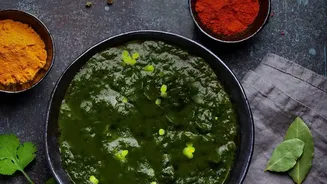
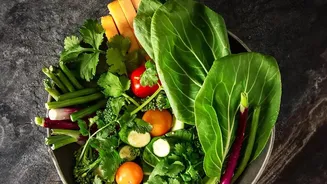
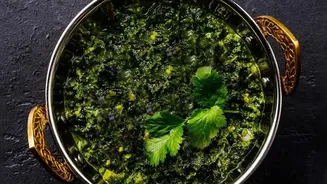
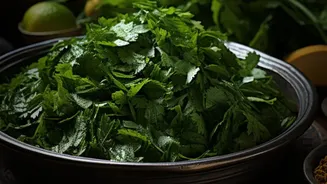
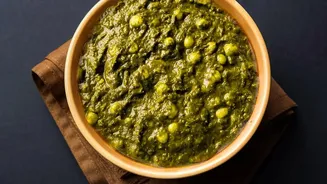
not one single recipe but a category of dishes made from slow-cooked leafy greens. The word 'saag' itself is derived from the Sanskrit 'śāka', meaning vegetable leaves. While restaurant menus often simplify it to a spinach dish, traditional saag is a complex blend of various greens, cooked down with aromatics like ginger, garlic, and green chillies until they meld into a thick, spoonable stew. This process transforms the humble, sometimes tough, leaves into something incredibly soft, savoury, and deeply comforting. The goal is to create a harmony of flavours, with different greens contributing peppery, earthy, or mild notes to the final dish.
The Crown Jewel: Sarson Ka Saag
The most iconic version is Sarson ka Saag, a speciality from the fertile fields of Punjab. Made primarily from mustard greens (sarson), it is a true winter delicacy, traditionally prepared when the leaves are at their peak. The sharp, pungent flavour of mustard is often balanced with milder greens like spinach (palak) or bathua (chenopodium or pigweed) to create a creamier, more mellow taste. Historically, this was a rustic dish that sustained farmers through long days of labour. Today, it's a celebrated meal, famously paired with Makki ki Roti (a flatbread made from cornmeal) and topped with a generous dollop of white butter or ghee, embodying the agricultural heritage of the region.
A Dish of Many Leaves
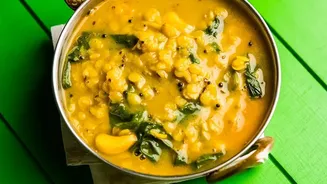
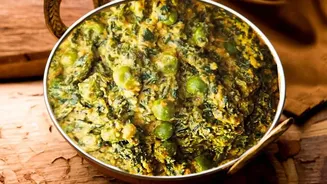
While Sarson ka Saag is the most famous, the world of saag is vast and varied, changing from region to region based on local produce. In Bihar and UP, Bathua ka Saag is popular in winter. Chaulai (amaranth leaves) are used in the Himalayan foothills and South India. Bengal has its own Helencha saag, known for a unique bitter taste, while Kalmi saag (water spinach) is enjoyed in Karnataka. The term can encompass everything from Palak Saag (spinach) to more unique preparations using fenugreek (methi), radish greens (mooli ke patte), or even moringa leaves. This diversity shows how Indian cuisine masterfully adapts a single concept to the bounty of each region.
The Art of Slow Cooking
What truly elevates saag to comfort food status is the patience required to make it. Traditionally, the greens were simmered for hours in earthen pots over a low flame, allowing the flavours to deepen and the texture to become velvety smooth. This slow-cooking process is what breaks down the fibrous leaves, creating that signature creamy consistency without necessarily adding cream. Cornmeal is often added to thicken the saag and contribute to its rich texture. This commitment of time and effort is a form of love, transforming simple ingredients into a dish that warms from the inside out.
A Symbol of Harvest and Home
Saag is more than just a meal; it's a cultural symbol deeply connected to community and celebration. In North India, Sarson ka Saag is intrinsically linked to Lohri, the winter harvest festival that marks the end of the winter solstice. Families often gather for 'saag parties' to prepare large batches, a communal activity that strengthens bonds. The dish represents gratitude for nature's bounty and the prosperity of the harvest. For many, the aroma of saag simmering on the stove evokes powerful memories of childhood and family, a taste of home that is both nourishing and deeply nostalgic.