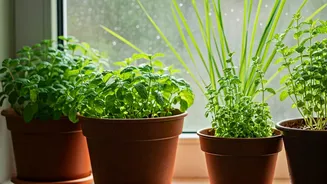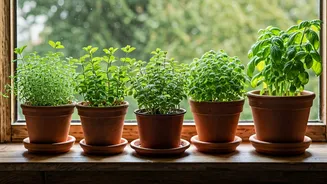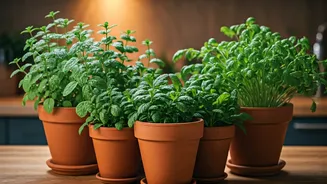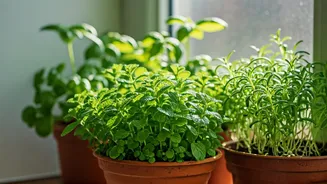






Mint (Pudina) - The Vigorous Grower
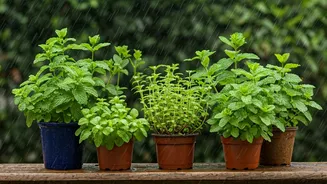
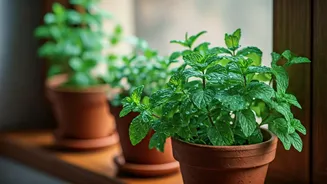
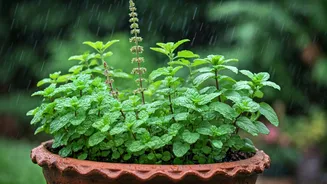
Mint is famously easy to grow, and the monsoon is its time to shine. It flourishes in the cool, damp conditions of the rainy season and spreads quickly, ensuring a constant supply for your chutneys, raitas, and teas. While it loves moisture, it's crucial
to avoid waterlogging, which can lead to root rot. Plant it in a pot with good drainage holes. A mix of soil, cocopeat, and compost is ideal. You can easily start a mint plant from a few healthy cuttings from the market; just place them in water until roots appear, then transfer to a pot. Keep the pot in a spot that receives partial sunlight, like a balcony with morning sun, and harvest regularly to encourage bushier growth.
Holy Basil (Tulsi) - The Sacred Healer
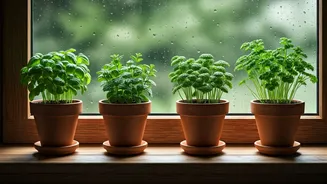
A staple in most Indian households, Tulsi is revered for its medicinal properties and is surprisingly resilient. It enjoys warm and humid weather, making the monsoon a vigorous growth period. The key to keeping Tulsi healthy during the rains is ensuring it gets enough sunlight and has excellent soil drainage. Place your pot in a location where it can receive at least 4-6 hours of sunlight. Overwatering is a common issue during this season, so ensure your pot has plenty of drainage holes and only water when the top layer of soil feels dry to the touch. If there's continuous heavy rain, you might consider moving it to a sheltered spot to prevent the soil from becoming waterlogged.
Lemongrass - The Aromatic Champion
Lemongrass, with its refreshing citrusy aroma, is perfectly suited for tropical climates and thrives in the wet, humid conditions of the Indian monsoon. It's an excellent low-maintenance choice for a kitchen garden. You can start by planting a stalk from the grocery store that has its base intact. Place it in a large, deep pot with well-draining soil and position it in a sunny spot. Once established, it requires minimal care. Regular watering during dry spells is sufficient, as the monsoon rains will handle most of its needs. Harvesting the leaves regularly for your teas and soups not only gives you fresh flavour but also encourages new growth. Its essential oils also help to naturally repel pests like mosquitoes.
Indian Borage (Ajwain) - The Surprise Survivor
Often mistaken for the ajwain spice, this herb (also known as Karpooravalli) has leaves with a similar pungent aroma. It's an incredibly hardy plant, making it perfect for beginner gardeners. Its thick, semi-succulent leaves store water, which makes it tolerant to both underwatering and the occasional overwatering typical of the monsoon. Indian Borage is extremely easy to propagate from stem cuttings and requires very little nurturing. Plant it in a well-draining soil mix in a pot that gets a few hours of sunlight daily. It grows enthusiastically with little fuss and is not typically bothered by pests. The leaves are a delicious addition to pakoras, providing a unique flavour that is perfect for a rainy day snack.