




The Balcony Gardener’s Dilemma
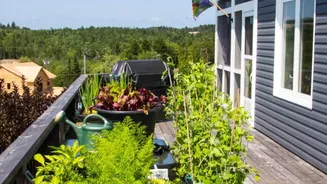
Gardening in containers on a balcony is vastly different from planting in the ground. The soil in pots dries out faster, nutrients wash away with each watering, and the intense, reflected heat from buildings can stress plants. For many, the biggest challenge
is watering. Too much can lead to root rot, the silent killer of potted plants, while too little causes wilting and weakness. This delicate balance is hard to judge, especially for busy city dwellers. Traditional methods, like sticking a finger in the soil, only tell you about the surface, not what’s happening down in the root zone where it matters most.
What Exactly Is a Smart Soil Probe?
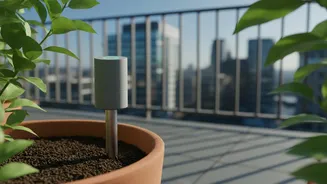
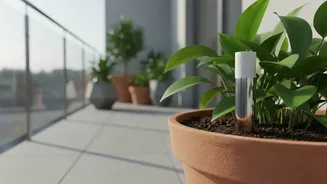
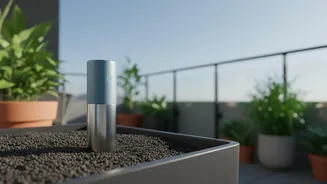
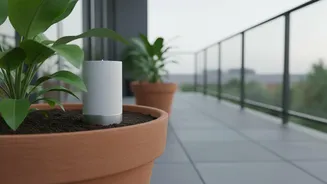
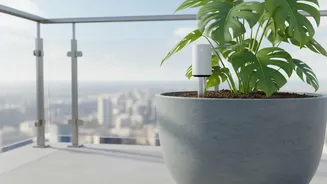
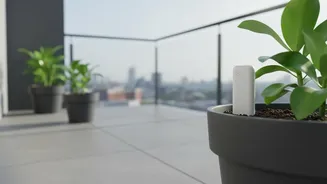
A smart soil probe is a small, typically stick-like device that you insert into the soil of your potted plant. Think of it as a fitness tracker for your greenery. These devices are part of the 'Internet of Things' (IoT), meaning they are physical objects embedded with sensors that connect to the internet. Using Wi-Fi or Bluetooth, the probe sends real-time data directly to a companion app on your smartphone. This allows you to monitor your plant's environment from anywhere, whether you're at the office or on holiday. It’s a simple yet powerful tool designed to give you precise, actionable insights.
Monitoring More Than Just Moisture
While checking water levels is their most popular feature, many advanced probes offer a more holistic view of your plant's health. They can measure a range of crucial parameters right from the soil. This often includes soil fertility (by measuring electrical conductivity), pH levels, ambient light intensity, and even temperature. Each of these data points is vital. Nutrient levels tell you when it’s time to fertilize. Light sensors help you find the perfect spot on your balcony for a sun-loving succulent versus a shade-preferring fern. And pH levels determine how well a plant can absorb those nutrients.
Data-Driven Plant Care in Action
The true magic of these devices lies in the app. Most smart probe apps come with a large database of different plant species. You simply select the type of plant you have, and the app customizes its recommendations based on that plant's specific needs. Instead of guessing, you get clear notifications like, "Your Monstera's soil is too dry" or "Your basil is getting too little light." This data-driven approach helps prevent the most common gardening mistakes. By tracking trends over time, you can see how quickly soil dries after watering or how your plant's needs change with the seasons, making you a more intuitive and effective plant parent.
Choosing the Right Smart Probe
As with any tech gadget, not all smart probes are created equal. When choosing one, consider a few key factors. Connectivity is one: Bluetooth-only models have a limited range, while Wi-Fi probes let you check in from anywhere. Battery life is also important, as you don't want to be replacing it every month. Most importantly, consider what you need to measure. For beginners, a reliable moisture sensor is the most critical feature and offers the biggest benefit. More advanced gardeners might want a probe that also tracks nutrient levels and pH. Reading reviews and checking app usability can help you find a device that fits your gardening style and budget.