



The Winter Jewel
While available through much of the year, pomegranates are often celebrated as a winter fruit in India. The main harvest seasons, including one that runs from December to February, ensure a plentiful supply during the cooler months. Grown extensively
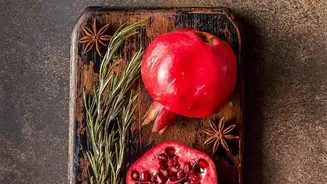
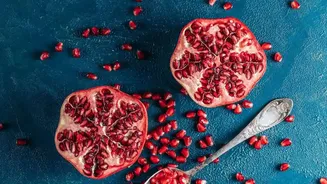
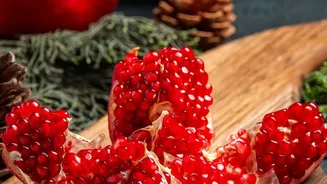
in states like Maharashtra, Karnataka, and Gujarat, India is one of the world's largest producers of this ancient fruit. Varieties like 'Bhagwa' are particularly popular for their sweet, bold, and attractive deep-red seeds, known as arils. These jewel-like seeds, bursting with a sweet-tart flavour, make pomegranates a seasonal favourite, adding a splash of colour and freshness to the winter diet.
A Powerhouse of Health Benefits
Pomegranates are more than just a tasty fruit; they are a nutritional powerhouse packed with vitamins, minerals, and potent plant compounds. They are particularly rich in antioxidants like punicalagins and anthocyanins, which help protect the body's cells from damage caused by free radicals. In fact, research has shown that pomegranate juice can have two to three times the antioxidant capacity of green tea or red wine. Regular consumption may support heart health by helping to lower blood pressure and improve cholesterol levels. The fruit also has anti-inflammatory properties and may support brain health and exercise recovery.
How to Pick the Perfect Pomegranate
Choosing a ripe, juicy pomegranate is key to enjoying its full flavour. Don't just rely on colour, as it can be misleading. The most reliable indicator is weight; a ripe pomegranate should feel heavy for its size, which signals that its arils are full of juice. The skin should be firm, smooth, and taut, though some varieties may have a naturally leathery feel. Avoid fruits with soft spots, bruises, or large cracks. A ripe pomegranate often loses its perfectly round shape and becomes slightly angular or flattened on the sides as the expanding seeds press against the outer wall. If you tap the fruit, you should hear a metallic sound, another sign of ripeness.
Easy Seeding and Smart Storage
The process of removing the seeds can seem daunting, but a simple trick makes it mess-free. Cut the pomegranate in half and submerge it in a bowl of cold water. Break apart the sections underwater; the arils will sink to the bottom while the bitter white membrane floats to the top. Once you've separated the seeds, they can be stored in an airtight container in the refrigerator for up to five days. Whole pomegranates have a much longer shelf life. They can be kept for a week or two at room temperature or for up to two months in the refrigerator.
Enjoying Pomegranate in Indian Cuisine
The versatility of pomegranate arils makes them a wonderful addition to many Indian dishes. Their sweet and tangy burst of flavour provides a refreshing contrast in both savoury and sweet preparations. Sprinkle them over salads for a juicy crunch or use them as a vibrant garnish on raita, adding both colour and texture. The seeds can be stirred into poha or upma just before serving to add a fresh element. They are also a classic topping for dahi vadas and various chaats. For a simple and healthy dessert, mix pomegranate arils with yoghurt and a drizzle of honey. Their natural flavour and beautiful appearance can elevate any meal.