






A Groundbreaking New Perspective
For years, the advice has been to avoid 'ultra-processed foods' (UPFs) at all costs. A recent Harvard-led study, however, is challenging this black-and-white thinking. Researchers analyzed decades of data from over 200,000 people to untangle a key question:
is it the processing itself that's harmful, or the nutritional content of the foods? Presented at NUTRITION 2026, the annual meeting of the American Society for Nutrition, their findings indicate that the overall quality of a person's diet has a much stronger link to long-term health than the level of food processing. Essentially, healthy diets were linked with lower risks of heart disease, type 2 diabetes, and death, regardless of whether they contained minimally or ultra-processed foods.
Quality Over Classification
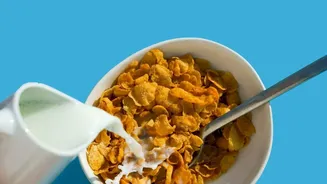
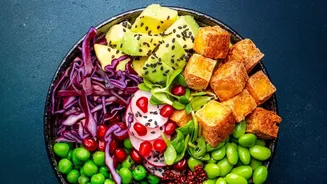
The study found that while many ultra-processed foods are, in fact, nutritionally poor—high in added sugar, sodium, and unhealthy fats—the act of processing itself isn't inherently bad. For example, a bag of sugary sweets and a fortified whole-grain breakfast cereal might both be classified as 'ultra-processed', but their nutritional value is vastly different. The researchers argue that this is the crucial distinction. A diet rich in plant-based, nutrient-dense foods is beneficial even if some of those foods, like canned beans, whole grain breads, or tofu, are technically processed. According to the lead researcher, advising people to universally avoid all processed foods could actually lead to a lower quality diet by discouraging consumption of healthy and convenient options.
What is 'Food Quality' Anyway?
So, if 'processed' isn't the only villain, what does 'high quality' mean? It comes down to the nutritional content. High-quality foods are rich in vitamins, minerals, fibre, and beneficial plant compounds. They are low in added sugars, sodium, and unhealthy saturated and trans fats. Think of it this way: a minimally processed but unhealthy choice could be red meat fried in lots of butter, while a healthy ultra-processed option could be a fortified plant-based milk. The focus shifts from how a food was made to what it is made of. This empowers consumers to look beyond simplistic labels and examine the nutrition facts panel to make informed choices. It's about prioritising nutrient density over the degree of industrial formulation.
Making Smarter Choices in the Supermarket
This new perspective doesn't give a free pass to all junk food. A majority of ultra-processed foods on the market remain poor nutritional choices and should be limited. However, it does mean we can be more discerning. When you're at the grocery store, instead of asking "is this processed?", a better question might be "what nutrients does this provide?" Look for packaged foods that are high in fibre and protein and low in added sugar and sodium. For instance, choose whole-wheat bread over white bread, or snack on roasted chickpeas instead of potato chips. Given that over 96% of Indian households use some form of packaged food, learning to identify the healthier processed options is a vital and practical skill. A healthy diet can absolutely include convenient, processed items, as long as they are chosen with quality in mind.