





Why the Monsoon is Nature's Reset Button
The monsoon is more than just rain; it's a life-giving force that rejuvenates entire ecosystems. For months, many of India's forests and grasslands endure intense heat, leaving water sources depleted and vegetation sparse. The arrival of the rains triggers
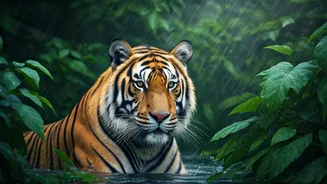
a chain reaction. Waterholes and rivers swell, providing essential hydration. A carpet of fresh grass and new leaves unfurls, offering abundant food for herbivores. This, in turn, supports the predators that depend on them. The damp earth and cooler temperatures also create ideal conditions for breeding among many species, from amphibians and reptiles to insects that form the base of the food web. While many parks close to visitors during this period to allow nature to work its magic undisturbed and for safety reasons, this is when the wild is truly at its wildest.
1. Jim Corbett National Park, Uttarakhand
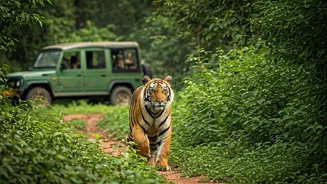
Nestled in the foothills of the Himalayas, Jim Corbett undergoes a breathtaking makeover. The park’s famous grasslands (chaurs) and sal forests, dusty and pale in the summer, explode into a hundred shades of green. The Ramganga River, the park’s lifeline, swells with monsoon waters, and its tributaries come alive. This abundance of water and fresh foliage means deer, sambar, and wild boar are seen grazing contentedly, often closer to the park's periphery. For the tigers and leopards, this lush cover provides perfect camouflage for hunting. The post-monsoon period, from November onwards, offers visitors the chance to see the park in its most magnificent, well-fed state.
2. Kaziranga National Park, Assam
The monsoon in Kaziranga is a story of both renewal and survival. As the mighty Brahmaputra River overflows, it inundates large parts of this UNESCO World Heritage Site. While this annual flood can pose risks, it is ecologically vital. The floodwaters deposit rich alluvial soil, regenerating the grasslands that are crucial for the park's famous one-horned rhinoceros population. It also helps to control invasive plant species. During the floods, animals migrate to higher ground, or 'karbis,' demonstrating an incredible instinct for survival. When the waters recede, they leave behind a replenished landscape, a veritable feast for the park's herbivores and a clean slate for the ecosystem.
3. Periyar National Park, Kerala
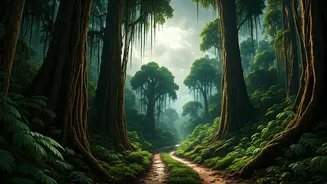
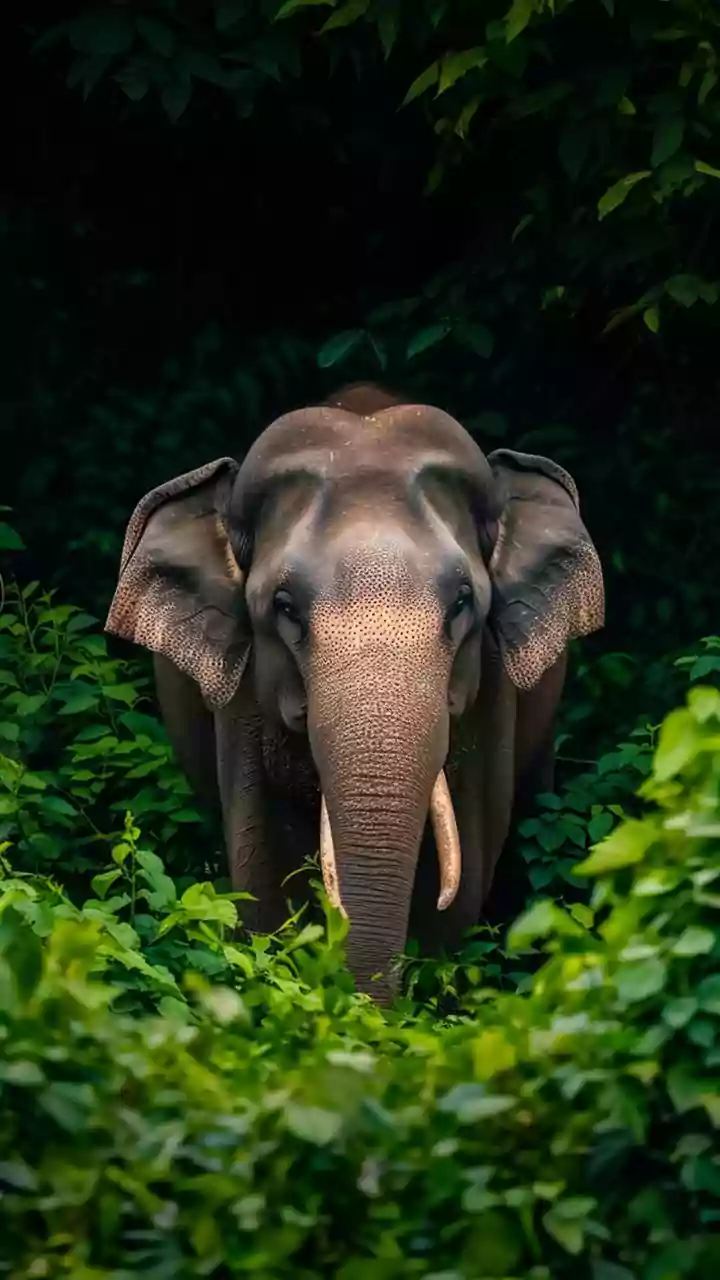
Down south in the Western Ghats, Periyar is an evergreen wonderland that becomes even more enchanting during the monsoon. The rain intensifies the deep greens of the tropical forest, feeds countless gushing streams, and fills the park's magnificent lake. Unlike many other parks, parts of Periyar remain accessible, offering a unique opportunity to experience a rainforest in the rain. Boat safaris on Periyar Lake become even more atmospheric, with mist hanging low over the water and the sounds of the forest amplified by the damp air. Elephants, in particular, seem to revel in the season, and sightings of herds bathing and playing in the water are common. It's a photographer's dream and a sensory overload for any nature lover.
4. Ranthambore National Park, Rajasthan
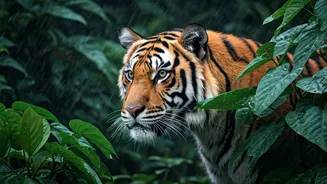
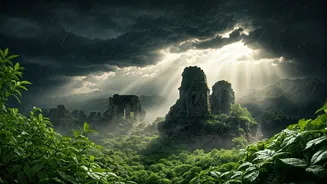
The transformation of Ranthambore is perhaps the most startling. Known for its arid, rocky landscape, this former royal hunting ground turns into a lush, green oasis during the monsoon. The dry, deciduous forests sprout new leaves, the park’s many lakes fill to the brim, and waterfalls, unseen for most of the year, cascade down the ancient fort's ramparts. The vibrant greenery provides a stunning, high-contrast backdrop for spotting its famous tigers. With water available everywhere, the big cats are less restricted to the main lakes, leading to more dispersed and sometimes surprising sightings when the park reopens in October. The entire landscape feels cleansed, cool, and bursting with life.