


A Global Reality Check
The recently released 2026 State of Food Security and Nutrition in the World (SOFI) report offers a mix of cautious optimism and stark warnings. Globally, hunger has declined for the third consecutive year, with nearly 14 million fewer people going hungry
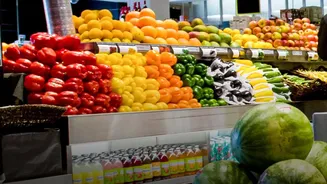
in 2025 compared to the previous year. However, the report’s central focus this year is the escalating cost of a healthy diet, which has become a primary barrier to good health for billions. The average cost of a healthy diet is now estimated at $4.28 per person per day globally. This price is a significant hurdle, pushing nutritious food out of reach for an estimated one in three people worldwide. While progress has been made in reducing absolute hunger, with Asia showing steady improvement, the report highlights that food security is about more than just calories. It's about access to diverse, nutrient-rich foods, and on that front, the world is facing a growing crisis of affordability.
The View from India
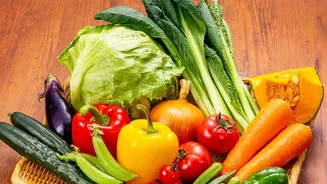
For India, the UN report tells a story of two battles. The first is a battle largely being won: the fight against hunger. Thanks to extensive social safety nets like the Public Distribution System (PDS), which provides subsidized grains to nearly 800 million people, the number of undernourished individuals has fallen significantly. But as one challenge recedes, another intensifies. The new frontline is nutrition. The SOFI report estimates that despite progress, over 520 million people in India—more than a third of the population—could not afford a healthy diet in 2025. The cost of such a diet in India has climbed by over a third in the last six years, reaching about $4.11 per person daily. This creates a paradox: families may have enough rice and wheat to avoid hunger, but vegetables, pulses, fruits, and dairy that are essential for health are becoming luxury items.
The Double Burden of Malnutrition
This affordability crisis fuels a complex public health challenge known as the 'double burden of malnutrition'—the simultaneous existence of undernutrition and obesity. On one hand, stunting and wasting in children, though improving, remain serious issues. On the other, as affordable calories often come from processed foods high in sugar and unhealthy fats, rates of overweight and obesity are rapidly increasing, even in rural areas. A recent study on urban children in Vellore highlighted this trend, finding that while thinness was common, the prevalence of being overweight or obese nearly tripled between the ages of seven and nine. This shift contributes to a surge in non-communicable diseases like diabetes and heart disease, placing an immense strain on both individual families and the national healthcare system.
Pathways to a Healthier Plate
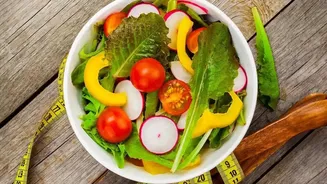
Addressing this challenge requires a multi-pronged approach that moves beyond just providing calories. India's existing social safety nets, like the PDS and the Mid-Day Meal scheme, have proven effective. Studies show that subsidizing staples frees up household income, allowing families to purchase more diverse foods, and that school feeding programs have intergenerational benefits on health. The next step is to evolve these programs with a stronger focus on nutrition. This could involve diversifying the food basket offered through the PDS to include pulses or millets, strengthening supply chains to reduce the cost of fresh produce, and repurposing agricultural subsidies to support the cultivation of more nutritious crops. Enhancing initiatives like the POSHAN Abhiyaan, which focuses on social and behavioral change, is also critical to improving dietary practices.