






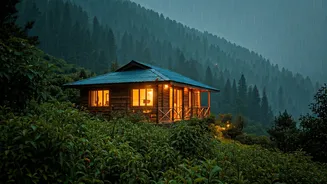


The New Corner Office
For years, the dream for a young tech professional was a corner office. Today, it’s a corner seat at a common table in a hill station hostel, with a view of mist-covered peaks. Across the southern ghats, from Coorg’s coffee plantations to Munnar’s tea
estates, a significant trend is taking shape. Software developers, data analysts, and digital marketers are packing their laptops and swapping their cramped city apartments for affordable, community-driven hostels. They aren’t on vacation; they are part of a growing movement of digital nomads who have decided that if work can be done from home, then ‘home’ can be anywhere. This shift has led to hostels, traditionally the domain of backpackers and tourists, reporting a massive surge in long-stay bookings from a new, tech-savvy clientele.
The 'Why': A Perfect Storm
This migration isn't happening in a vacuum. It’s the result of a perfect storm of post-pandemic work policies, urban burnout, and economic pragmatism. Many tech companies, having seen productivity remain stable during lockdowns, have adopted flexible or fully remote work models. This newfound freedom has allowed employees to question the necessity of living in expensive, congested metropolitan hubs like Bengaluru, Hyderabad, or Chennai. The high cost of rent, the daily grind of traffic, and the persistent sense of burnout have made the tranquil, slow-paced life of a hill station incredibly appealing. For the price of a month's rent for a small flat in a major city, a techie can cover their stay, food, and other expenses for a month in a hill station hostel, with a much higher quality of life.
Hostels Evolve into 'Workation' Hubs
Sensing the opportunity, hostel chains and independent owners have been quick to adapt. This new breed of guest requires more than just a clean bed and a hot shower. The primary demand is for reliable, high-speed Wi-Fi, a non-negotiable for anyone handling code or attending hours of video calls. In response, hostels are upgrading their infrastructure, offering dedicated co-working spaces with ergonomic chairs, power backups to combat electricity cuts, and quiet zones. They are no longer just places to sleep; they are transforming into full-fledged work-and-live ecosystems. Many also curate community events, from weekend treks and bonfires to skill-sharing workshops, helping to combat the loneliness that can sometimes accompany remote work and fostering a sense of belonging among long-term guests.
A Boost for Local Economies
The influx of these high-earning professionals is providing a significant economic boost to local communities in these hill towns, which are often heavily reliant on seasonal tourism. Unlike tourists who visit for a few days, these remote workers stay for weeks or even months. They become regular customers at local cafes, rent scooters for their daily commute, hire local guides for weekend explorations, and shop at neighbourhood stores. This sustained spending creates a more stable, year-round revenue stream for small businesses, helping them weather the traditional off-season lulls. This symbiotic relationship is creating a new economic model for tourist destinations, one based on integration rather than transient visits.
Challenges on the Uphill Climb
However, the trend is not without its challenges. The 'record bookings' are putting a strain on the limited infrastructure of these ecologically sensitive areas. Increased demand can lead to rising prices for locals, and there are concerns about waste management and the overall environmental footprint. Furthermore, the promise of a perfect work-life balance can sometimes clash with reality. Unstable internet connections during bad weather, power outages, and a sense of isolation can still creep in. For the trend to be sustainable, it will require conscious effort from both the visiting professionals to be responsible travellers and local administrations to manage the growth without compromising the natural charm that attracted people in the first place.