


Swap Foaming Cleansers for Creamy Ones
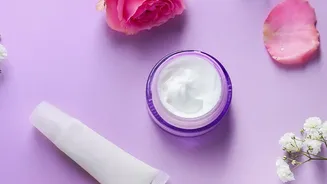
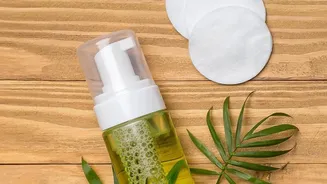
That satisfyingly 'squeaky clean' feeling from a foaming face wash in the summer can spell trouble in the autumn. Foaming cleansers often contain surfactants that can strip the skin of its natural oils. When your skin is already vulnerable due to lower
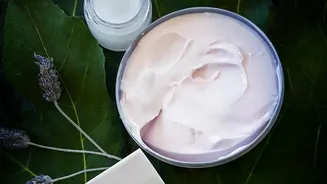
humidity, this can compromise its protective barrier. A smart swap is to switch to a gentle, creamy, or milky cleanser. These formulas clean the skin effectively without disrupting its lipid barrier, leaving it feeling soft and hydrated, not tight. Look for fragrance-free options with ingredients like ceramides, glycerin, or hyaluronic acid to help maintain moisture right from the first step of your routine.
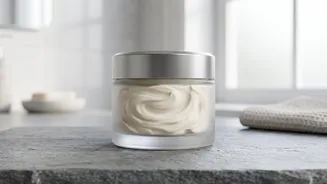
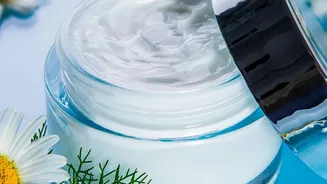
Trade Lightweight Lotions for Richer Creams
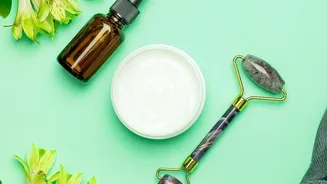
The airy, gel-based moisturizer that felt perfect in July might not be enough to protect your skin against autumn's chill. As the environment becomes less humid, your skin loses water more easily. It's time to upgrade to a thicker, richer moisturizer to provide a more substantial barrier against the elements. Look for creams that contain ingredients like ceramides, which are lipids that help form the skin's barrier and retain moisture. Other powerhouse ingredients for sensitive skin in cooler weather include shea butter, squalane, and colloidal oatmeal, known for their soothing and protective properties. Apply your moisturizer to damp skin right after cleansing to lock in hydration.
Introduce a Hydrating Serum
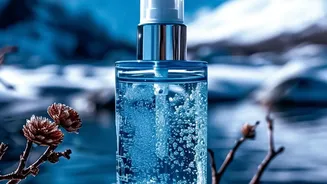
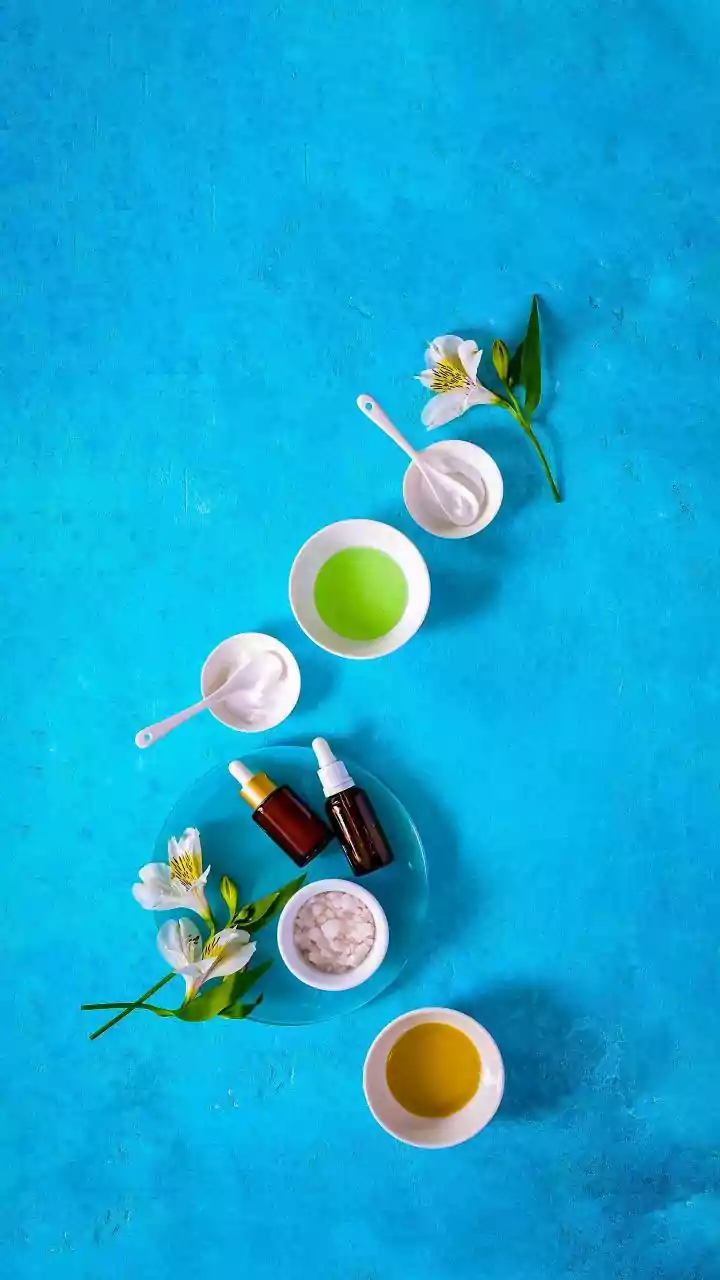
If you don't already use one, autumn is the perfect time to introduce a hydrating serum. Think of it as a targeted drink of water for your skin that you layer under your moisturizer. Serums are lightweight but contain a high concentration of active ingredients. For sensitive skin facing a dry-air onslaught, a serum featuring hyaluronic acid is a game-changer. Hyaluronic acid is a humectant, meaning it draws moisture from the air into your skin, helping to keep it plump and hydrated. Niacinamide is another excellent serum ingredient; it helps strengthen the skin barrier, calm redness, and improve moisture retention.
Rethink Your Exfoliation Strategy
While exfoliation is key for sloughing off dead cells and preventing dullness, harsh physical scrubs or high-percentage acid treatments can be too aggressive for sensitive skin in colder months. Over-exfoliating can lead to irritation and further damage an already stressed skin barrier. Instead of eliminating this step, simply swap your method. Consider switching to a gentler chemical exfoliant, like lactic acid or polyhydroxy acids (PHAs), which are milder than other acids and can even have hydrating properties. Reduce the frequency to once or twice a week, and always pay attention to how your skin responds. If you notice increased redness or stinging, it's a sign to scale back.
Don't Neglect Sunscreen
Just because the days are shorter and the sun feels less intense doesn't mean you can pack away your sunscreen. UVA rays, which contribute to premature aging, are present year-round and can penetrate through clouds and windows. For sensitive skin, a mineral-based sunscreen containing zinc oxide or titanium dioxide is often the best-tolerated option. In the cooler months, you might consider swapping a lightweight fluid sunscreen for a more moisturizing cream-based formula. This can provide an extra layer of hydration and protection, simplifying your morning routine without compromising on this crucial step for longterm skin health.