








The New Financial Anxiety
Just a few years ago, the narrative for young earners was dominated by aspirational spending—experiential travel, dining out, and upgrading gadgets. Today, that narrative has been rewritten by a potent mix of economic realities. Witnessing the financial
instability brought on by the pandemic, coupled with rising inflation and a volatile job market, has served as a wake-up call. Many young adults saw parents, older siblings, or colleagues face unexpected job losses or medical crises with little to no financial cushion. This has fostered a deep-seated desire for control and security. The goal is no longer just to earn and spend, but to build a buffer against a world that feels increasingly unpredictable. This isn't pessimism; it's pragmatism. It's a proactive move to build a foundation of financial wellness before chasing other life goals.
What Exactly Is an Emergency Fund?
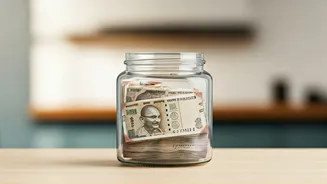
Let’s clear up the jargon. An emergency fund is simply a pool of money set aside specifically to cover unexpected financial shocks. It’s your personal safety net. This is not an investment meant to generate high returns, nor is it a savings account for a planned expense like a wedding or a down payment. Its sole purpose is to be there when things go wrong. Think of it as a fund for the 'what ifs': a sudden job loss, an urgent medical procedure not fully covered by insurance, a critical home repair, or the need to travel for a family emergency. The key characteristics of this fund are safety and liquidity, meaning you should be able to access the money quickly and easily without losing a portion of it to market fluctuations or penalties.
The Big Question: How Much Is Enough?
The most common piece of advice you'll hear is to save three to six months' worth of essential living expenses. But what does that mean in an Indian context? Start by calculating your 'survival number'. This isn't your total monthly income; it's the absolute minimum you need to get by each month. List your non-negotiable expenses: rent or home loan EMI, utility bills (electricity, water, internet), groceries, transportation costs, insurance premiums, and any other critical recurring payments. Multiply this total by three to get your initial goal. For example, if your essential monthly expenses are ₹30,000, your first target is ₹90,000. Once you reach that, you can aim for the more robust six-month mark (₹1,80,000). For those in less stable jobs, like freelancers or entrepreneurs, aiming for a nine-to-twelve-month fund provides an even stronger buffer.
Smart Steps to Start Building
The idea of saving a large sum can feel overwhelming, but the key is to start small and be consistent. The first step is the most important. Begin by setting a modest, achievable goal, even if it’s just saving ₹1,000 or ₹2,000 a month. The best way to ensure consistency is to 'pay yourself first'. Set up an automated transfer or a Systematic Investment Plan (SIP) that moves money from your salary account to your emergency fund account on the day you get paid. This way, you’re not tempted to spend it. Treat this transfer as seriously as you would an EMI. As your income grows or you cut down on other expenses, you can increase the amount. The momentum from seeing the fund grow, no matter how slowly, will provide the motivation to keep going.
Where to Park Your Emergency Cash
Since the primary goal is safety and quick access (liquidity), you should avoid parking your emergency fund in high-risk investments like stocks. The goal isn't to grow the money, but to preserve it. A simple, high-yield savings account is a great starting point. It offers supreme liquidity and is completely safe. Another excellent option is a liquid mutual fund. These funds invest in very short-term debt instruments and typically offer slightly better returns than a savings account, with your money being accessible in a day or two. You can also consider a combination: keep one to two months' worth of expenses in a savings account for immediate access and the rest in a liquid fund or a short-term fixed deposit that you can break if needed. This balances immediate accessibility with slightly better returns.