





The Myth of the 30-Day Transformation
Our culture is saturated with promises of quick fixes: 30-day challenges, overnight transformations, and rapid results. This sets us up for disappointment because it ignores a fundamental truth about human biology: our bodies adapt slowly. When we start
a new fitness regimen, we often look for immediate changes in the mirror. When they don't appear, it's easy to feel discouraged and quit. But the real magic of exercise isn't about the sudden change; it's about the steady, consistent effort that compounds over months and years. True, sustainable fitness is a long game, not a sprint. The initial soreness or fatigue is not always a perfect measure of a good workout, and focusing only on rapid changes can lead to burnout or injury.
A Look Inside Your Muscle Cells
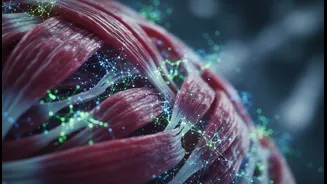
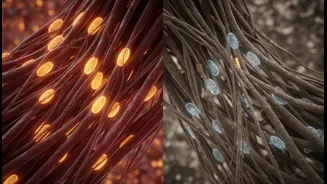
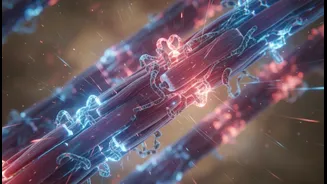
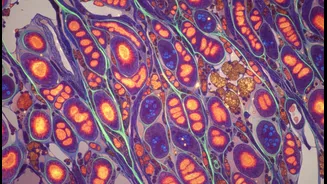
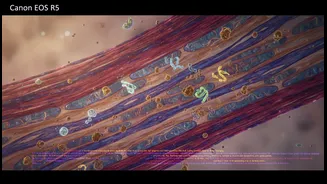
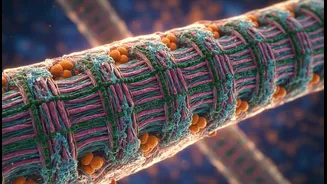
To understand why slow adaptation is so powerful, we need to look at what scientists call “molecular ageing.” As we get older, our muscle cells can become less efficient. One key issue is the accumulation of dysfunctional, 'zombie-like' senescent cells that create inflammation and prevent proper tissue repair. Another process involves a shift in protein regulation, where our muscles become less effective at clearing out damaged components and recycling them. A gene known as DEAF1, for instance, increases with age and hampers the muscle's ability to repair itself. This gradual decline in cellular quality control contributes to age-related muscle loss, known as sarcopenia, which reduces strength and mobility.
How Exercise Rewrites the Clock
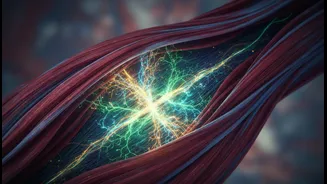
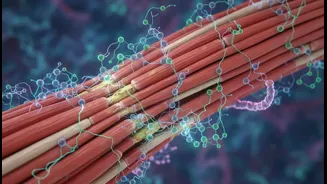
This is where consistent exercise, especially resistance training, becomes a powerful tool. When you train regularly, you’re sending signals to your muscles to fight back against these ageing processes. Studies show that physical activity can suppress the harmful DEAF1 gene, essentially hitting a biological reset button. This allows the muscle cells to reactivate their natural repair systems, clearing out damaged proteins and rebuilding stronger, more resilient tissue. Exercise also improves the function of mitochondria, the powerhouses of our cells, which tend to decline with age. It’s not just about building bigger muscles; it's about building healthier, more functional muscles from the inside out.
The Power of Slow, Systemic Adaptation
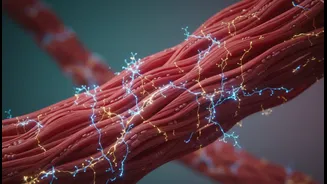
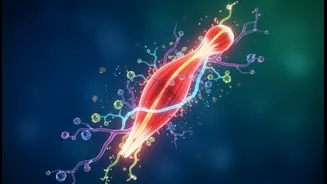
The benefits aren't just confined to the muscles you work. Active muscles release thousands of beneficial molecules called myokines, which travel throughout the body and have anti-ageing effects on other tissues, including fat and organs. For example, one study showed that five months of resistance training significantly reduced the number of senescent cells in fat tissue. This demonstrates that the slow, adaptive process of exercise creates systemic benefits, improving your overall healthspan, not just your biceps. The changes are gradual and cumulative. Each workout is a small deposit into a long-term health account, building a body that is more resilient to age-related decline.
Patience Is Your Greatest Fitness Tool
Understanding the science of molecular ageing gives us a new perspective. Instead of chasing a number on the scale or a specific look in 30 days, we can focus on the feeling of being strong, capable, and consistent. The goal shifts from a short-term fix to a long-term practice of self-care. Think of your fitness journey not as a race to a finish line, but as a continuous process of building and maintaining a healthier version of yourself. The visible results, like muscle definition and strength gains, will come. But they are simply the outward sign of the much deeper, more important rejuvenation happening at the cellular level.