





The Deceptive Thirst of Humid Days
Post-monsoon weather in India presents a unique hydration challenge. While the scorching heat of summer may have subsided, the high humidity can be just as taxing on your body. When the air is saturated with moisture, your sweat doesn't evaporate efficiently.
This is your body's primary cooling mechanism, so it works overtime, producing even more sweat in an attempt to regulate its temperature. The result is that you can lose significant amounts of fluid and essential minerals without realising it. You might not feel as thirsty as you would on a dry, hot day, but the risk of dehydration and electrolyte imbalance is very real. This constant, low-level sweating during everyday activities is what makes post-monsoon hydration so tricky.
Plain Water: The Everyday Champion
For the vast majority of your daily needs, plain water is the undisputed champion of hydration. It's what your body is primarily made of and what it uses for everything from regulating temperature to removing waste. For everyday activities like working at a desk, commuting in an air-conditioned vehicle, or light household chores, water is almost always sufficient. Health experts generally agree that you don't need to reach for a special beverage if your physical activity is low-intensity or lasts less than an hour. Drinking water consistently throughout the day is the best strategy for most people to stay healthy and hydrated. A good way to check your hydration is by the colour of your urine; a pale yellow colour usually indicates you are drinking enough.
So, What Exactly Are Electrolytes?
You hear the term everywhere, but what are electrolytes? They are essential minerals—like sodium, potassium, calcium, and magnesium—that carry an electrical charge when dissolved in water. Think of them as your body's internal communication network. They play a critical role in balancing fluids, enabling muscle contractions, transmitting nerve signals, and maintaining a normal heartbeat. While a healthy diet typically provides all the electrolytes you need, you can lose them rapidly through sweat, which contains not just water but also these vital minerals. An imbalance, with either too few or too many electrolytes, can cause symptoms like muscle cramps, fatigue, dizziness, and nausea.
When Water Isn't Quite Enough
There are specific situations where your body loses electrolytes faster than it can replace them, and plain water alone might not be sufficient. These are the times to consider an electrolyte-enhanced drink. The main triggers are prolonged or intense exercise (typically over 60-90 minutes), significant sweating due to heat and humidity, or illness involving vomiting or diarrhoea. If you are working outdoors, engaging in strenuous sports, or simply someone who sweats heavily, the constant dampness of post-monsoon weather can accelerate this loss. In these scenarios, drinking only water can dilute the remaining electrolytes in your system, potentially leading to symptoms like muscle cramps, headaches, or weakness. This is when an electrolyte drink can help your body absorb and retain fluid more effectively.
Choosing Your Electrolyte Source Wisely
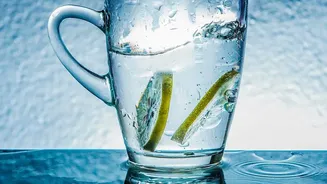
Not all electrolyte drinks are created equal. Many commercial sports drinks are high in sugar and calories, which are unnecessary unless you're a serious endurance athlete. Overconsumption can lead to issues like bloating, blood pressure spikes, or digestive upset. For a more natural approach, consider coconut water, which is rich in potassium. You can also get electrolytes from your diet. Foods like bananas, oranges, avocados, watermelon, leafy greens, and Greek yogurt are excellent sources. These foods provide minerals along with other beneficial vitamins and fibre. For a simple homemade solution, a pinch of salt and a squeeze of lemon in your water can also help replenish lost minerals.