






Why Your Brain Needs Boundaries
Our homes are our sanctuaries, but without clear boundaries, they can feel chaotic. The human brain requires moments of quiet and personal space to recharge and process information. Constant exposure to noise and activity can elevate stress hormones,
leading to fatigue and irritability. Creating quiet zones or 'sacred spaces' is not about isolation; it's a fundamental need for mental and emotional balance. Studies show that even short periods of silence can lower blood pressure, improve focus, and stimulate brain regions associated with memory and emotion. By intentionally carving out a calm space, you give your mind a chance to rest, which can lead to better emotional regulation and a greater sense of well-being for everyone in the home.
The Versatile Gate: A Simple Solution
One of the simplest yet most effective tools for creating separation is a humble pressure-mounted gate. Often associated with babies and toddlers, these gates are incredibly versatile for managing any busy home. You can use a gate to keep pets out of the kitchen during meal preparation, prevent a toddler from wandering into a home office during a video call, or simply establish a temporary 'no-go' zone to protect a specific area from high traffic. This strategy of 'zoning' helps make daily life smoother and less stressful. It creates a clear, physical cue that a particular space is temporarily off-limits, reducing the need for constant verbal reminders and preventing chaos before it starts. This approach improves the functionality of your space, making cleanup quicker and daily routines more efficient.
Creating a Dedicated Quiet Room or Corner
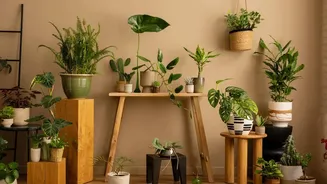
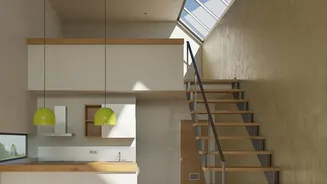
For a more permanent solution, designating an entire room or even a small corner as a quiet zone can be transformative. You don't need a spare bedroom to achieve this. An underused area, like a corner of the living room, a nook under the stairs, or a spot in the bedroom, can be converted into a sanctuary. Use furniture like a bookshelf or a decorative screen to create a visual and psychological barrier. Add a comfortable chair, a small table, and perhaps some plants or soft lighting to signal that this is a space for calm activities like reading, meditation, or simply enjoying a cup of tea. The key is to define the purpose of the area clearly. This dedicated space becomes a reliable retreat where any family member can go to decompress and recharge.
It's About Communication, Not Just Barriers
Physical barriers are only half the solution. The other half is clear and kind communication with your family or housemates. Setting up a quiet corner or using a gate works best when everyone understands its purpose. Have a conversation about the need for personal time and space, framing it as a positive step for everyone's well-being, not as a rejection. You could establish simple household rules, such as 'When the door is closed, please knock,' or 'This corner is for quiet reading from 4 PM to 5 PM.' When needs are communicated openly, family members are more likely to respect the newly established boundaries. This fosters a culture of mutual respect and helps everyone, including children, develop emotional intelligence and independence.