



Why Drainage Is Non-Negotiable
In nature, plants have a vast expanse of soil to wick away excess water. In a pot, they are in a closed system, entirely dependent on you to provide an exit route for that water. When soil stays saturated, the air pockets that roots need to breathe are filled
with water. This creates an oxygen-starved environment perfect for root rot, a fungal condition that turns roots brown and mushy, making them unable to absorb nutrients. If left unchecked, root rot is a guaranteed death sentence for your plant. Proper drainage ensures that after a thorough watering, any excess can escape, allowing air back into the soil and keeping roots healthy and functional.
The Great Gravel Myth
For generations, gardeners have been told to add a layer of gravel or broken pot shards to the bottom of containers to improve drainage. It seems intuitive, but science has shown this to be a myth that can actually harm your plant. Water does not move easily from a fine-textured material (like potting soil) to a coarse-textured material (like gravel). Instead of draining through, water will collect in the soil just above the gravel layer, creating what is known as a 'perched water table'. This effectively raises the saturated zone, bringing it closer to your plant's delicate roots and increasing the risk of root rot—the very problem you were trying to prevent. The best approach is to use a high-quality, well-draining potting mix throughout the entire pot.
Signs Your Plant Is Drowning
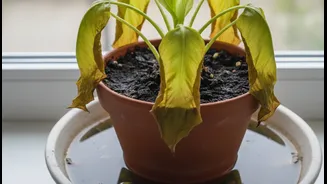
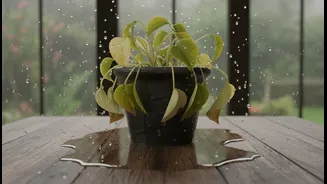
A plant suffering from poor drainage will give you several warning signs. The most common is yellowing leaves, particularly lower ones, that feel soft, not crispy. You might also notice wilting, even when the soil is wet—this is a paradox caused by dying roots being unable to supply the leaves with water. Other tell-tale signs include stunted growth, a musty or sour smell from the soil, visible mold or moss on the soil surface, and an unwelcome infestation of fungus gnats, which thrive in moist conditions. If you see several of these symptoms, it's time to investigate your plant's drainage situation immediately.
The Ideal Potting Setup
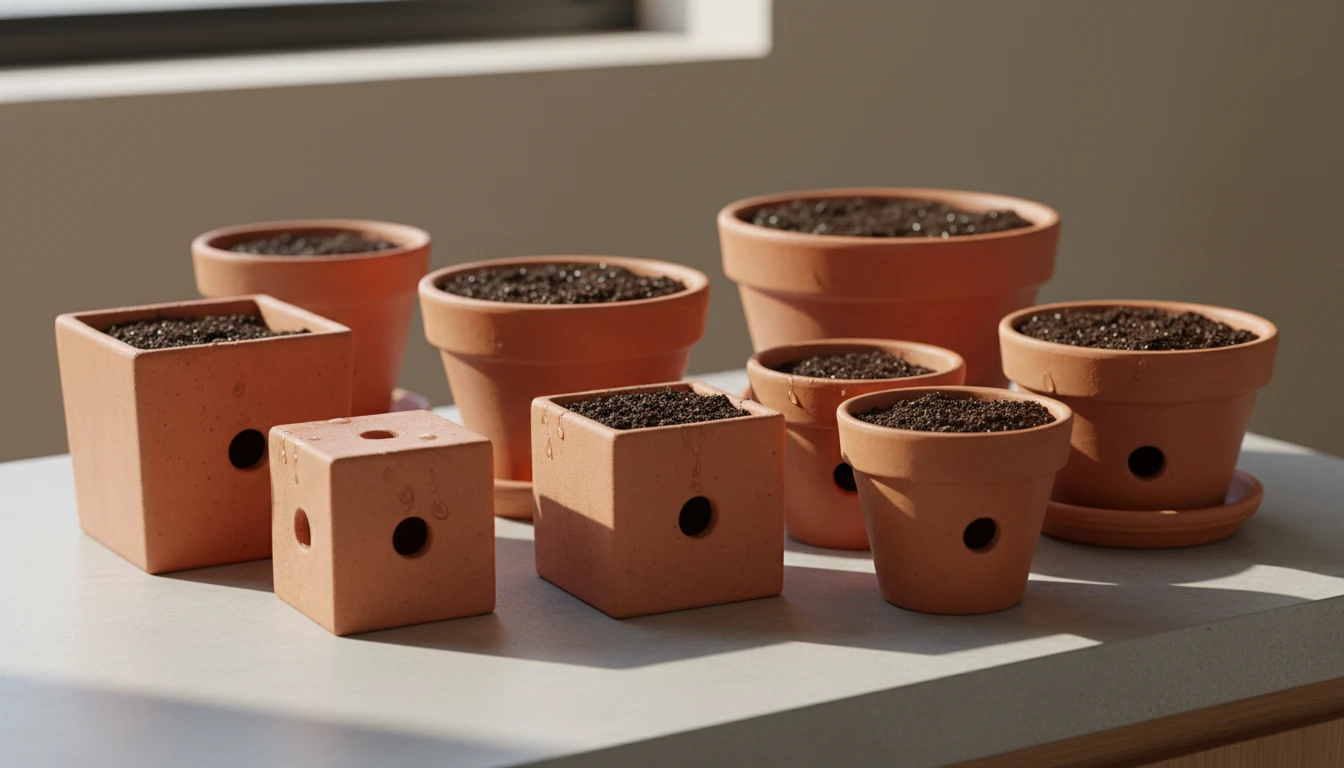
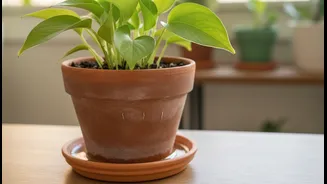
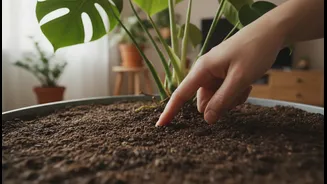
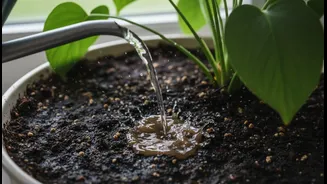
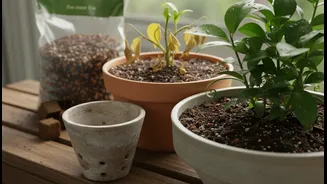
The gold standard for any houseplant is simple: a pot with at least one drainage hole. This is the most effective way to prevent water from pooling at the bottom. When you water, do so thoroughly until water runs out of the hole, then discard any excess collected in the saucer. Never let a pot sit in a saucer full of water. The soil itself is the next crucial element. Most standard potting soils can be improved by adding amendments like perlite or pumice, which are lightweight volcanic materials that create air spaces and improve flow. For succulents and cacti, an even grittier mix with sand is ideal, while moisture-loving ferns may appreciate additives like vermiculite which helps retain some moisture evenly.
Working with Pots Without Holes
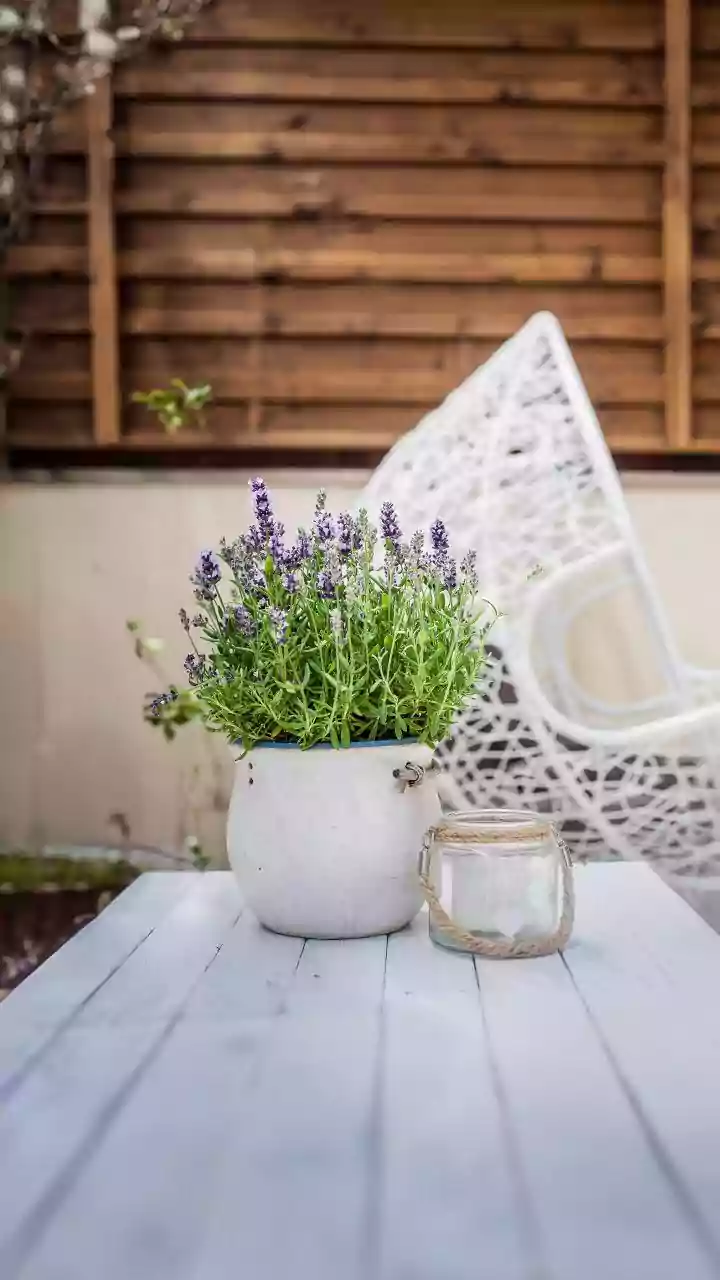
We all fall for them: beautiful, decorative pots that have no drainage holes. While not ideal, you have options. The safest method is to use the decorative pot as a 'cachepot' (a cover pot). Keep your plant in its simple plastic nursery pot (which has holes), and simply place it inside the decorative one. When you water, you can remove the nursery pot, take it to the sink, let it drain completely, and then return it to its stylish home. If you're feeling adventurous, you can attempt to drill a hole yourself using a drill bit designed for ceramic or plastic. This permanently solves the problem, but proceed with caution to avoid cracking your prized pot.
Emergency Plant Rescue
If you suspect a plant is already waterlogged, you must act fast. Gently remove the plant from its pot and inspect the roots. Healthy roots are firm and white or light-colored; rotten roots will be brown, black, soft, and may even smell bad. Using a clean pair of scissors, trim away all the mushy, dead roots. If you remove a significant amount of the root system, it's wise to prune a similar proportion of the top growth (leaves and stems) to reduce the strain on the recovering plant. Repot the plant in fresh, dry, well-draining soil and into a pot with a proper drainage hole. Wait a few days before watering lightly, giving the roots time to settle and recover from the shock.