







AI is Reshaping the Workplace
There’s no denying the scale of transformation. AI and machine learning skills are in high demand across India, with job portals showing explosive growth in roles related to prompt engineering, MLOps, and agentic AI architecture. Companies in every sector,
from BFSI to IT services and product-based startups, are leveraging AI to automate routine tasks, analyse massive datasets, and boost productivity. This has led to a significant shift in the skills landscape. Roles are evolving so quickly that skills considered essential just a few years ago are being replaced. According to some reports, up to 39% of core skills will change by 2030, driven largely by this technological wave. This has created a clear demand for AI literacy, not just among tech specialists but across all functions.
The Limits of the Algorithm
For all its power, AI is a tool, not a strategist. It excels at executing tasks based on the data it's given, but it lacks the ability to understand nuance, context, or ethical implications. An AI model can draft a sales report, but it can't sense the tension in a client relationship. It can identify patterns in market data, but it can't ask, "Are we solving the right problem in the first place?" This is where AI’s limitations become clear. AI systems can't judge context, weigh competing business priorities, or understand the reputational cost of getting something wrong. They are brilliant at answering questions, but they require a human in the loop to question the answers. Without human oversight, organisations risk blindly following AI recommendations that could be biased, flawed, or strategically unsound.
The Human Firewall: Critical Thinking
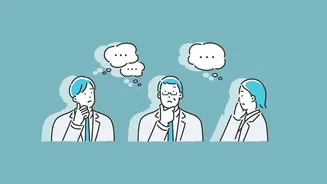
This is precisely why critical thinking has become a top-tier priority for employers. It’s the human firewall that prevents blind automation and ensures technology serves strategy, not the other way around. The World Economic Forum and other labour market analyses consistently rank analytical and creative thinking as the most sought-after skills, even in an AI-driven world. In the modern workplace, critical thinking isn't just about finding flaws; it's about a set of interconnected abilities. It’s the skill to analyse a situation from multiple perspectives, to interpret complex data with informed judgment, and to solve problems creatively. A critical thinker asks the questions AI can't: What are the unseen risks? What are the ethical implications? What is the long-term impact on our customers and our brand?
AI Plus Human: A Powerful Partnership
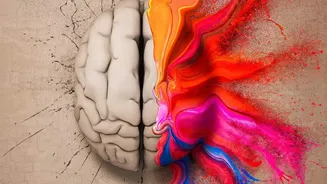
The most effective organisations aren't choosing between AI and human intelligence; they're combining them. The future belongs to professionals who can leverage AI as a powerful partner to augment their own thinking. Think of it as a collaboration. AI handles the heavy lifting of data processing, pattern recognition, and first-draft creation. The human professional then steps in to apply context, strategic insight, and ethical judgment. A manager might use an AI tool to analyse team performance data but use their own critical thinking to understand the personal circumstances behind the numbers. This synergy is where the real value is created. Employees who can frame the right questions for AI, critically evaluate the output, and then communicate the resulting insights to make strategic decisions are becoming indispensable. They are not just users of technology; they are directors of it.
What This Means For Your Career
For professionals in India, this trend is a crucial career signal. While acquiring technical AI skills is important to stay relevant, it's the combination of AI literacy and strong critical thinking that will create a future-proof career. Employers are increasingly looking for this dual capability. They want people who don’t just accept an AI's output at face value but actively question, verify, and refine it. This means cultivating a habit of curiosity, learning to identify potential biases in data, and strengthening your ability to build a logical, evidence-based argument. As AI automates the 'what', the demand for people who can master the 'why' and 'what if' will only continue to grow. Developing these cognitive skills is no longer a soft option; it is an essential investment in your long-term professional value.