





The Rise of the Humanised Pet
In recent years, the bond between humans and their pets has deepened significantly, giving rise to the 'pet parent' and 'fur baby' culture. This trend sees pets treated not just as animals, but as integral family members. This increased emotional investment
has many positives, such as a greater commitment to a pet’s health and well-being. However, this humanisation, or anthropomorphism, can also lead to a misunderstanding of what our pets truly need. While seeing pets as part of the family can enhance our emotional bond, animal behaviourists caution that forcing them into a human framework risks overlooking their natural instincts and needs.
When Love Becomes a Problem
Well-intentioned spoiling can have unintended negative consequences. One of the most significant issues is pet obesity. Feeding pets human snacks or excessive treats as a sign of love can lead to weight gain and associated health problems like diabetes and heart disease. Beyond physical health, over-indulgence can create serious behavioural issues. Hyper-attachment, often caused by constant coddling, can lead to severe separation anxiety, manifesting as destructive behaviour, howling, or house soiling when the owner leaves. Giving in to every demand can also foster an unstable hierarchy in the home, leading to a demanding or even aggressive pet that lacks boundaries and respect. Experts point out that some behaviours that seem like quirky human-like traits could actually be signs of stress or anxiety in the animal.
What Balance Really Means
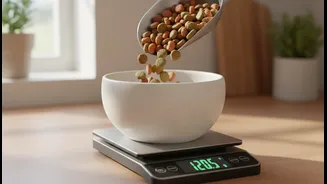
Finding balance doesn’t mean loving your pet less; it means loving them in a way that respects their species-specific needs. Experts agree that what pets truly thrive on is not indulgence, but structure. Dogs, in particular, are creatures of habit that feel more secure with clear rules, boundaries, and routines. A balanced approach swaps out fashion accessories and prams for things that fulfill a pet’s core needs. This includes proper physical exercise, mental stimulation through training and puzzle toys, and a consistent, nutritious diet. Love is best expressed not through human-centric treats, but through activities that allow a dog to be a dog—sniffing on a walk, playing fetch, or learning a new command.
Practical Steps to a Balanced Bond
Shifting from spoiling to a more balanced relationship is achievable with a few conscious changes. Instead of feeding scraps from the table, which encourages begging, reward good behaviour with a designated, healthy pet treat. Rather than carrying a small dog, allow it to walk and get necessary exercise, which is vital for its physical and mental health. Establish a predictable daily schedule for feeding, walks, and rest. This provides a sense of security. Incorporate 'work' into their day by having them sit before a meal or before going outside; this reinforces training and your role as a leader. Lastly, provide ample mental enrichment. A mentally tired dog, exercised through training games or puzzle feeders, is often calmer and more content than one that is simply showered with passive affection.