






Why Sitting Is the New Smoking
It sounds dramatic, but the health risks associated with a sedentary lifestyle are serious. Research has consistently linked prolonged sitting to a higher risk of obesity, increased blood pressure, high blood sugar, and even a greater risk of death from
cardiovascular disease and cancer. Even if you exercise regularly outside of work, sitting for eight hours a day can still take a toll. The human body is designed to move, and when it doesn’t, things start to go wrong. Muscles get tight, posture suffers, and circulation slows down, leading to that all-too-familiar feeling of fatigue and discomfort.
The Rise of 'Exercise Snacking'
The solution isn’t necessarily a two-hour gym session after work. The latest trend in desk-job fitness is all about “micro-workouts” or “exercise snacking.” This involves breaking up long periods of sitting with short bursts of activity throughout the day. These mini-sessions, sometimes just a few minutes long, can significantly impact your health. Studies show that short, frequent movements can boost metabolism, improve mood, and even enhance focus and productivity. It’s a more sustainable approach for busy professionals, making fitness feel less like a chore and more like a natural part of the day.
Your New Desk-Side Gym
So, how do you put this into practice? It’s easier than you think. A new generation of discreet fitness tools and simple exercises are designed to be used right at your workstation. The key is to find what works for you and your office environment. From high-tech gadgets to no-equipment-needed moves, there are plenty of ways to turn your desk area into a mini-gym. The goal is to make movement a consistent habit, even on the busiest of days.
Under-Desk Wonders: Treadmills and Bikes
Perhaps the most visible sign of the desk-fitness trend is the rise of under-desk treadmills and stationary pedalers. These compact devices allow you to walk or cycle at a slow pace while you type, read emails, or take calls. Walking on an under-desk treadmill can improve posture, increase energy, and help you easily reach your daily step goals. Many users report feeling more focused and productive, and the quiet operation of modern models means you won't disturb your coworkers. It's a seamless way to integrate low-impact cardio into your workday without breaking a sweat.
The Five-Minute Fix: Desk Exercises
You don't need any equipment to fight off the effects of sitting. Setting a reminder to get up and move every hour is a great start. When the alert goes off, try a few simple stretches or exercises. A seated spinal twist can relieve back tension, while neck rolls and shoulder shrugs can ease stiffness. For a bit more of a challenge, you can do bodyweight squats, desk push-ups (pressing against the edge of a sturdy desk), or calf raises. Even simple glute squeezes while seated can help keep muscles activated.
Ergonomics: Your First Line of Defence
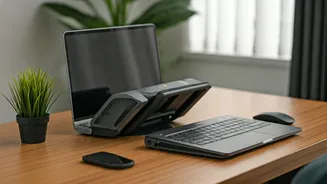
Fitness isn't just about movement; it's also about prevention. Proper office ergonomics can significantly reduce physical stress on your body. Adjust your chair so your feet are flat on the floor and your knees are at a 90-degree angle. Your monitor should be at eye level, about an arm's length away, to prevent neck strain. Ensure your keyboard allows your wrists to stay straight and your shoulders to remain relaxed. If you work on a laptop, consider a separate keyboard and a stand to raise the screen. These small adjustments create a foundation for a healthier workday.