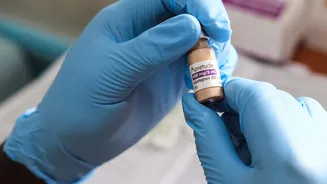







A startling new study has found a major risk for type 2 diabetes patients who stop taking a popular class of medication. Stopping these drugs is associated with a nearly doubled risk of heart attack, stroke, or death. Here’s what you need to know.
What the New Study Found
A major
international study published in The Lancet Regional Health Europe has raised an important alarm for patients with type 2 diabetes. The research found that stopping treatment with a class of drugs known as GLP-1 receptor agonists was associated with a dramatic increase in cardiovascular risk. Specifically, patients who discontinued the medication had nearly double the combined risk of suffering a non-fatal heart attack, a non-fatal stroke, or death from any cause compared to those who continued the treatment. The study observed that for every 100 people who stopped the drug, roughly four experienced one of these major adverse events per year. In contrast, only about two out of every 100 people who continued the medication faced the same outcome.
The Drugs in Focus: GLP-1 Agonists
The drugs at the center of this research are GLP-1 (glucagon-like peptide-1) receptor agonists. This modern class of medication, which includes drugs like liraglutide and semaglutide, has become a cornerstone of type 2 diabetes management. They work by mimicking a natural gut hormone that helps regulate blood sugar, reduce appetite, and often leads to weight loss. Beyond controlling diabetes, these medications have proven benefits for heart and kidney health. The study primarily involved patients on liraglutide or dulaglutide, but the findings are considered relevant to the entire class of GLP-1 drugs, which are widely prescribed in India and around the world.
Why Does Stopping Increase Risk?
Researchers believe these drugs offer more than just blood sugar control; they provide direct protective effects on the cardiovascular system. When a patient stops taking them, these protections are lost. Interestingly, the study found that the increased risk wasn't fully explained by a rebound in weight, blood pressure, or blood sugar levels, which only changed modestly after discontinuation. This suggests the drugs may have other beneficial effects, such as reducing inflammation, that are lost when the medication is stopped, leaving the patient vulnerable. The findings point to the idea that GLP-1 agonists treat chronic conditions and their benefits are only maintained with continuous use.
A Critical Issue in India
These findings are especially urgent for India, which faces a massive and growing burden of type 2 diabetes and heart disease. Medication adherence is a significant challenge globally, with studies showing a large percentage of patients stopping GLP-1 drugs within the first year due to reasons like cost, side effects, or supply shortages. In the context of India, where access and affordability can be major barriers, the risk of patients discontinuing treatment is high. This study underscores that stopping these medications is not a neutral act; it can actively increase the risk of the very complications they are meant to prevent. This 'metabolic whiplash' can have severe consequences for heart health.
What Should Patients Do?
The most important takeaway from this research is clear: do not stop taking your diabetes medication without consulting your doctor. These are longterm treatments for a chronic disease, not a shortterm fix. If you are experiencing side effects, struggling with the cost, or have any other concerns, it is crucial to discuss them with your healthcare provider. Your doctor can help manage side effects, explore alternatives, or find ways to ensure you can continue treatment safely. Abruptly stopping a medication that provides significant cardiovascular protection can undo its benefits and leave you at a higher risk than before. This research reinforces that adherence is not just about managing diabetes—it is a critical part of preventing lifethreatening events like heart attacks and strokes.