



A Return to Earthen Roots
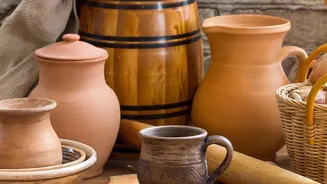
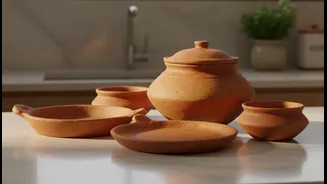
The practice of cooking in clay pots is as old as Indian civilisation itself, with evidence tracing back to the Indus Valley. For centuries, handis and matkas were central to the Indian kitchen, prized for their ability to cook food slowly and evenly.
This method wasn't just about utility; it was a way of life that respected the rhythm of nature. The recent resurgence is driven by a collective desire to reconnect with these slower, more mindful traditions. As people become more conscious of their lifestyles, many are looking past modern non-stick pans, which can sometimes contain synthetic chemicals, and turning towards natural, time-tested materials. This shift represents more than a cooking trend; it's a return to heritage and a search for authenticity in our daily meals.
The Science of Slow Cooking
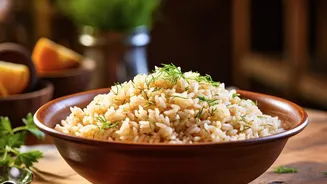
The renewed popularity of clay pots is strongly supported by their significant health benefits. Clay is naturally alkaline, which helps to neutralise the acidity in food, making it easier to digest and balancing its pH levels. The porous nature of clay allows for the even circulation of heat and moisture, which means food cooks gently without losing its essential nutrients. Vitamins and minerals that can be destroyed by high-heat cooking in metal pans are better preserved. Furthermore, this slow cooking process allows dishes to be prepared with significantly less oil, as the pot's walls retain moisture and prevent food from sticking. Some believe clay also infuses food with beneficial minerals like calcium, iron, and magnesium.
Heritage Meets Modern Design
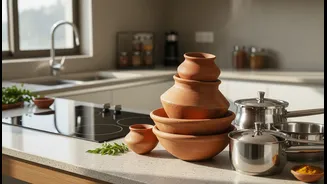
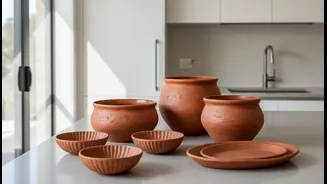
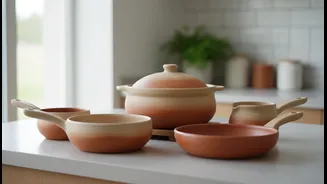
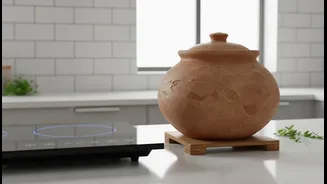
Today's clay cookware revival is not just about bringing old pots back from the attic. It’s about innovation. A new wave of Indian brands and artisans are reimagining traditional earthenware for the contemporary home. Companies like Zishta, Swadeshi Blessings, and Ecocraft India are creating clay pots that are not only functional but also aesthetically pleasing, with sleek designs and refined finishes. They are ensuring that these products are 100% natural and free from harmful chemical glazes. This modern approach also includes creating a diverse range of products, from biryani handis and curd pots to versatile kadais that work on gas stoves. By marketing through online platforms, these brands are making it easier than ever for urban consumers to access and embrace this ancient tradition, effectively bridging the gap between skilled artisans and modern kitchens.
A Sustainable Choice
Beyond the health and flavour benefits, choosing clay is an environmentally conscious decision. Clay pots are made from the earth and are completely biodegradable, leaving no harmful waste behind, unlike many synthetic cookware options that end up in landfills. The production process often involves a smaller carbon footprint compared to the industrial manufacturing of metal utensils. This revival also has a significant social impact, providing a renewed livelihood for communities of potters who have preserved this craft for generations. By purchasing handcrafted clay cookware, consumers are not just buying a product; they are supporting local artisans and helping to keep a valuable part of India's cultural heritage alive.
Getting Started with Clay
Adopting clay cookware does require a little care, but the rewards are worth it. Before its first use, a new clay pot needs to be seasoned. This typically involves soaking it in water for several hours, or even a full day, to prevent it from cracking under heat. When cooking, it's best to start with a low flame and increase the heat gradually. Cleaning is also different; harsh soaps should be avoided as the porous clay can absorb chemicals. Instead, it is recommended to use hot water, baking soda, and a soft brush for scrubbing. Once you get the hang of it, these simple rituals become a satisfying part of the cooking process, connecting you more deeply to your food and its preparation.