





Beyond Weather Forecasts
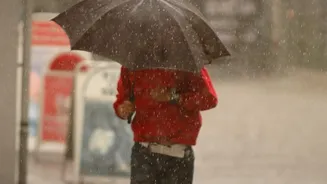
For decades, our primary tool against floods has been the weather forecast. While essential, these forecasts provide a broad picture—predicting heavy rain over an entire city. However, urban flooding is a hyperlocal problem. One neighbourhood can be inundated
while another, just a few kilometres away, remains dry. This is because flooding isn't just about how much rain falls, but where it goes. Clogged drains, overwhelmed stormwater networks, and rapid runoff in concrete-heavy areas are the real culprits. Traditional methods often mean disaster response teams can only react after the water is already rising, leading to property damage and life-threatening situations.
How Smart Drainage Sensors Work
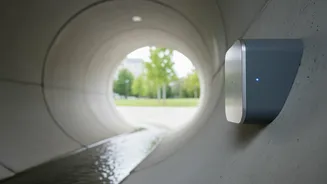
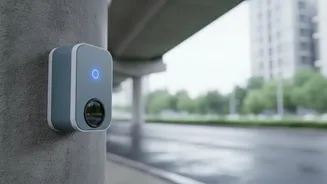
This is where smart urban drainage sensors come in. Think of them as a nervous system for a city's drains. These are small, often solar-powered, Internet of Things (IoT) devices installed at critical points within the stormwater drainage network. They use technologies like radar or ultrasonic waves to measure the water level in real-time. These sensors constantly monitor how fast the drains are filling up. When the water reaches a predetermined critical level—say, 75% or 80% of the drain's capacity—it automatically triggers an alert. This data is instantly transmitted to a central control room, giving authorities a live, street-by-street view of potential flooding.
From Raw Data to Life-Saving Alerts
Collecting data is only half the battle. The real magic happens when this data is combined with other information, like hyperlocal weather forecasts and historical flood patterns. Using artificial intelligence (AI) and machine learning models, systems can predict where and when flooding is likely to occur, sometimes hours in advance. This information is then pushed out through multiple channels. Disaster management teams receive detailed alerts on their dashboards, allowing them to pre-position rescue teams and equipment. Simultaneously, warnings can be sent directly to citizens' mobile phones, posted on social media, and displayed on public information boards, advising them to avoid certain routes or prepare for evacuation.
A Proactive Approach in Indian Cities
Several Indian cities are already embracing this technology to fight monsoon flooding. Bengaluru has installed hundreds of sensors in its stormwater drains (rajakaluves) to monitor water levels, with a colour-coded system to indicate danger levels. Mumbai's Integrated Flood Warning System (IFLOWS) combines data from a network of rain gauges and sensors to provide flood estimates up to three days in advance. Similarly, cities like Chennai, Kolkata, and Pune are implementing their own versions of these early warning systems, integrating IoT sensors with GIS mapping and AI-driven analytics. These initiatives represent a fundamental shift from a reactive to a proactive approach to disaster management.
The Critical Difference: How Alerts Save Lives
The phrase "saves lives" is not an exaggeration. Early flood alerts, made possible by these sensors, prevent tragedies in several concrete ways. They give authorities crucial lead time to close off roads and underpasses before they become deadly traps for vehicles. They allow for the timely evacuation of residents in low-lying, vulnerable areas. By rerouting traffic, they prevent people from getting stranded in floodwaters. Emergency services can be dispatched more efficiently, reaching critical areas before the situation escalates. In essence, these systems prevent people from unknowingly walking or driving into danger, which is one of the leading causes of fatalities during urban floods. The goal is to minimize loss and damage by turning catastrophic surprises into manageable events.