







The Afternoon Energy Equation
The dreaded 2 p.m. slump is a familiar foe for many office workers and students. For years, we blamed a heavy lunch, particularly one rich in carbohydrates. However, emerging research paints a more nuanced picture. The key isn't avoiding carbs, but choosing
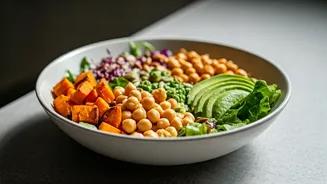
the right kind. Complex carbohydrates, like those in quinoa, brown rice, and whole-wheat bread, break down slowly. This provides a steady release of glucose, the brain's primary fuel source, preventing the sharp energy spike and subsequent crash associated with simple sugars and refined starches. A study published in the journal 'Appetite' found that high-starch and high-sugar meals can slow reaction times, while a balanced meal supports sustained cognitive function. Pairing these complex carbs with lean protein and healthy fats further moderates glucose absorption, ensuring you remain alert and productive throughout the afternoon. Think grilled chicken with a quinoa salad or a whole-wheat wrap with hummus and vegetables.
Brain Food Is Real Food
The term "brain food" might sound like a marketing gimmick, but science confirms that certain nutrients have a direct impact on cognitive health, focus, and memory. Omega-3 fatty acids, particularly DHA, are crucial for brain cell structure and communication. This makes fatty fish like salmon a stellar lunchbox addition. Walnuts, another great source of omega-3s, have been linked to improved brain function. Leafy greens such as spinach and kale are packed with antioxidants and vitamins like vitamin K, which research associates with slower cognitive decline. Even the humble egg is a powerhouse, rich in choline, a nutrient essential for mood and memory. Avocados support healthy blood flow to the brain, while antioxidant-rich blueberries can help protect it from oxidative stress. Building a lunch around these ingredients can offer tangible benefits for your mental performance.
A Gut Feeling About Lunch
One of the most exciting frontiers in nutritional science is the gut-brain axis—the constant communication between your digestive system and your brain. A healthy gut microbiome, populated by beneficial bacteria, is linked to better mood, reduced inflammation, and overall well-being. Your lunch can play a significant role in nurturing this internal ecosystem. Fermented foods like yogurt, kefir, and kimchi are excellent sources of probiotics. High-fiber foods, such as beans, lentils, vegetables, and whole grains, act as prebiotics—fuel for your good gut bacteria. A recent study highlighted that diets rich in fruits and vegetables foster the production of dopamine, a neurotransmitter linked to motivation and engagement. So, including a side of Greek yogurt with berries, a bean salad, or some kimchi with your meal doesn't just add variety; it actively supports both your digestive and mental health.
The Science of Safe Storage
Nutritional value is only part of the equation; food safety is paramount. Research from public health departments and food safety agencies consistently emphasizes temperature control to prevent the growth of harmful bacteria. Perishable items like meat, dairy, and cut fruits and vegetables must be kept cold, below 40°F (4°C), to stay out of the "danger zone" where bacteria multiply rapidly. This means using an insulated lunch bag with at least two cold sources, like frozen gel packs or a frozen water bottle. For hot foods like soups or stews, an insulated thermos is essential. Preheating the thermos with boiling water before adding the piping hot food helps it stay above the safe temperature of 140°F (60°C). Furthermore, research into materials has raised awareness about containers. It is recommended to use food-safe, reusable containers and clean your lunch bag daily to prevent bacterial buildup.