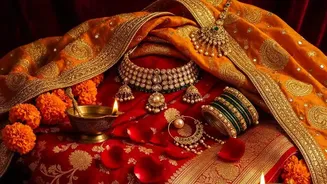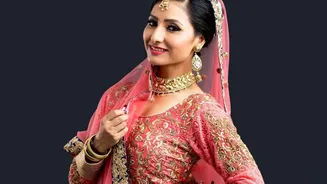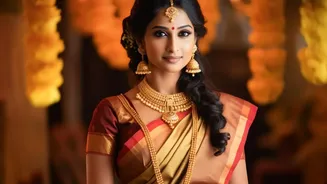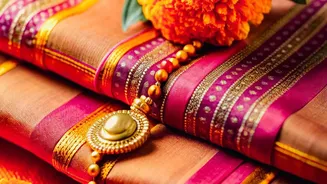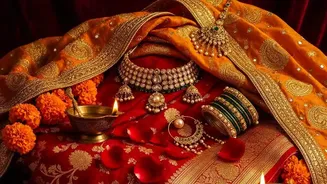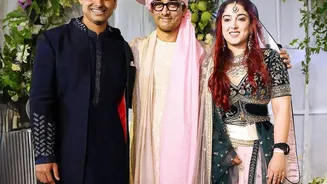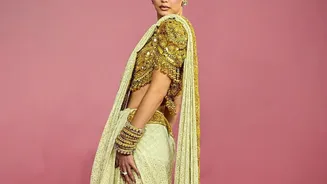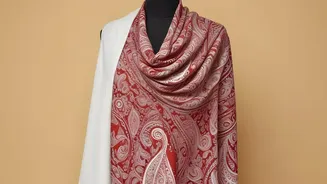


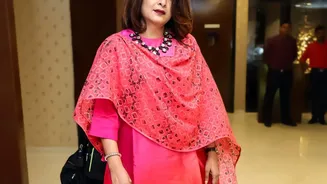
That gorgeous, heavy dupatta from a past wedding is too beautiful to hide in a closet. Instead of letting it gather dust, learn to restyle it. Pairing an ornate dupatta with a minimalist outfit creates a chic, modern, and sustainable festive look.
Start with a Simple Foundation
The
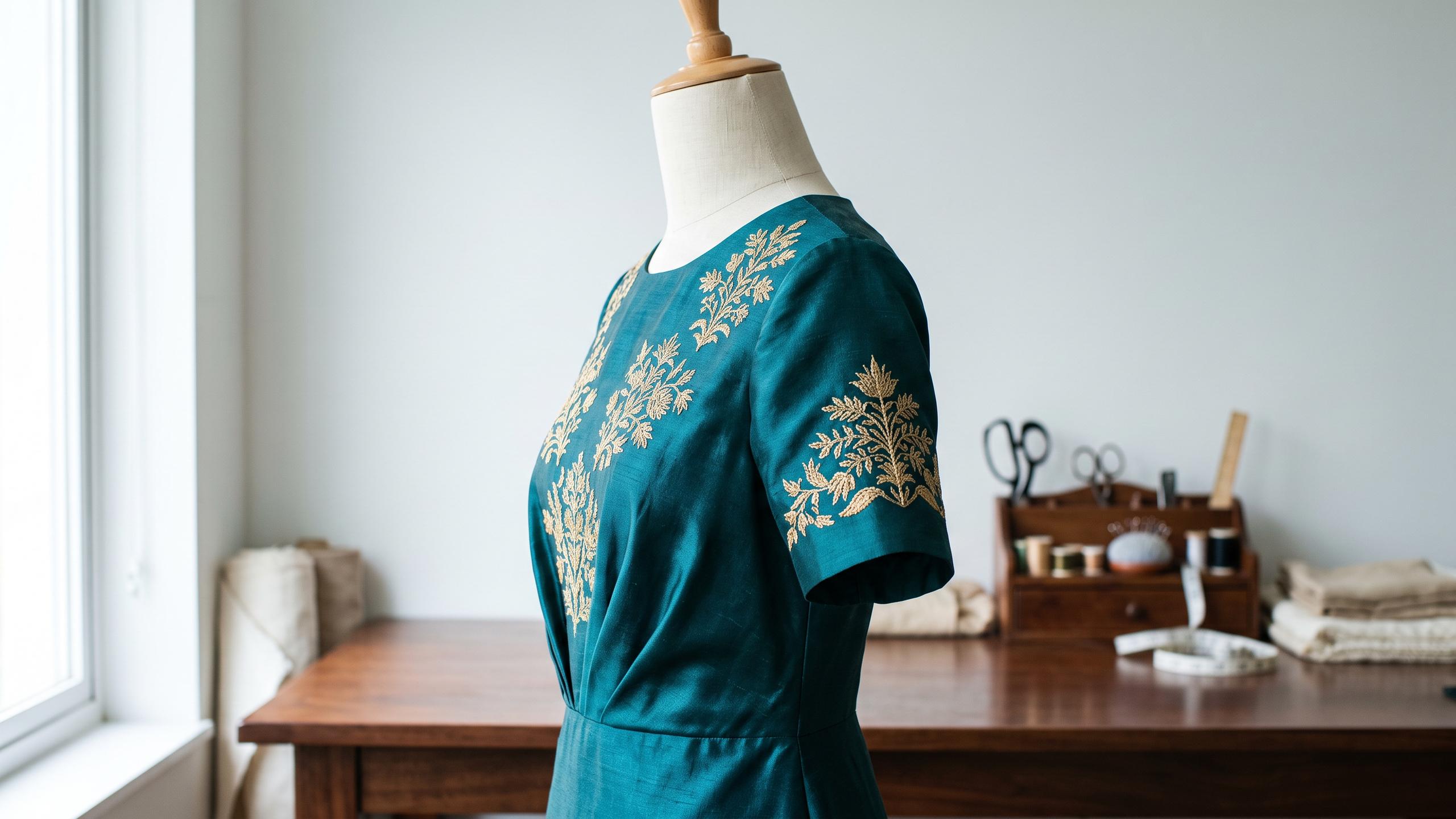
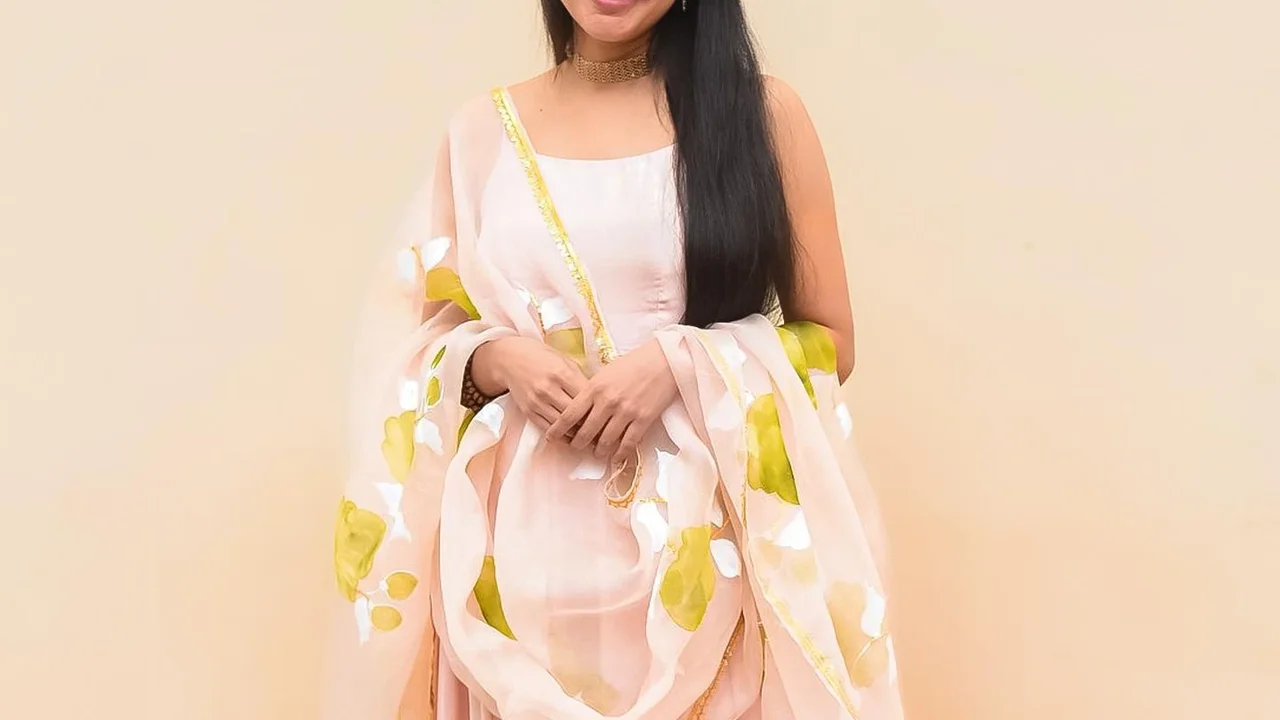
key to making a heavy dupatta the hero of your outfit is to build a quiet, elegant foundation. Opt for a simple, well-cut suit, lehenga, or anarkali in a solid colour. Neutral shades like ivory, beige, black, or navy are fantastic canvases that allow a vibrant dupatta to pop. You can also choose a colour that exists in the dupatta's embroidery for a more cohesive look. For instance, a plain mustard or ivory suit would look stunning with a traditional red Banarasi dupatta. The goal is to reduce visual noise and let the dupatta be the single statement piece. Avoid competing prints or heavy embellishments on your kurta or lehenga; let the fabric and cut of the minimalist outfit provide a clean silhouette.
Master the Art of the Drape
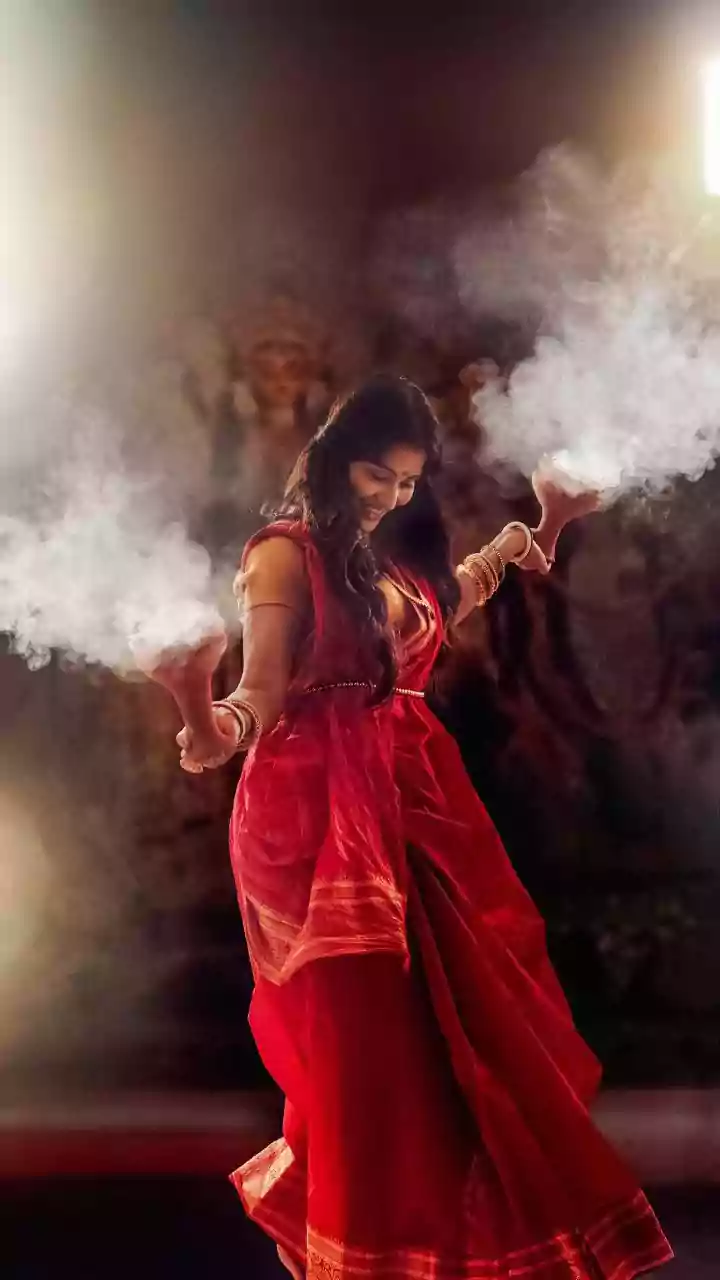
How you wear your dupatta can completely transform the outfit. For a heavy piece, the drape needs to be both stylish and manageable. One of the most elegant and secure options is the saree-style drape. Neatly pleat one end of the dupatta, tuck it into your waistband on one side, then bring the fabric across your front and over the opposite shoulder, letting the 'pallu' fall gracefully. Another modern approach is the cape style: drape the dupatta across your back and pin it at both shoulders, letting it flow behind you like a cape. This is a dramatic, hands-free option perfect for showcasing the full expanse of the dupatta's work. For a more classic look, the single-shoulder drape is a timeless choice, where you pleat the dupatta and secure it on one shoulder, allowing it to fall front and back. Remember to use discreet pins to secure heavier fabrics, ensuring your look stays polished all evening.
Experiment with Colour and Contrast
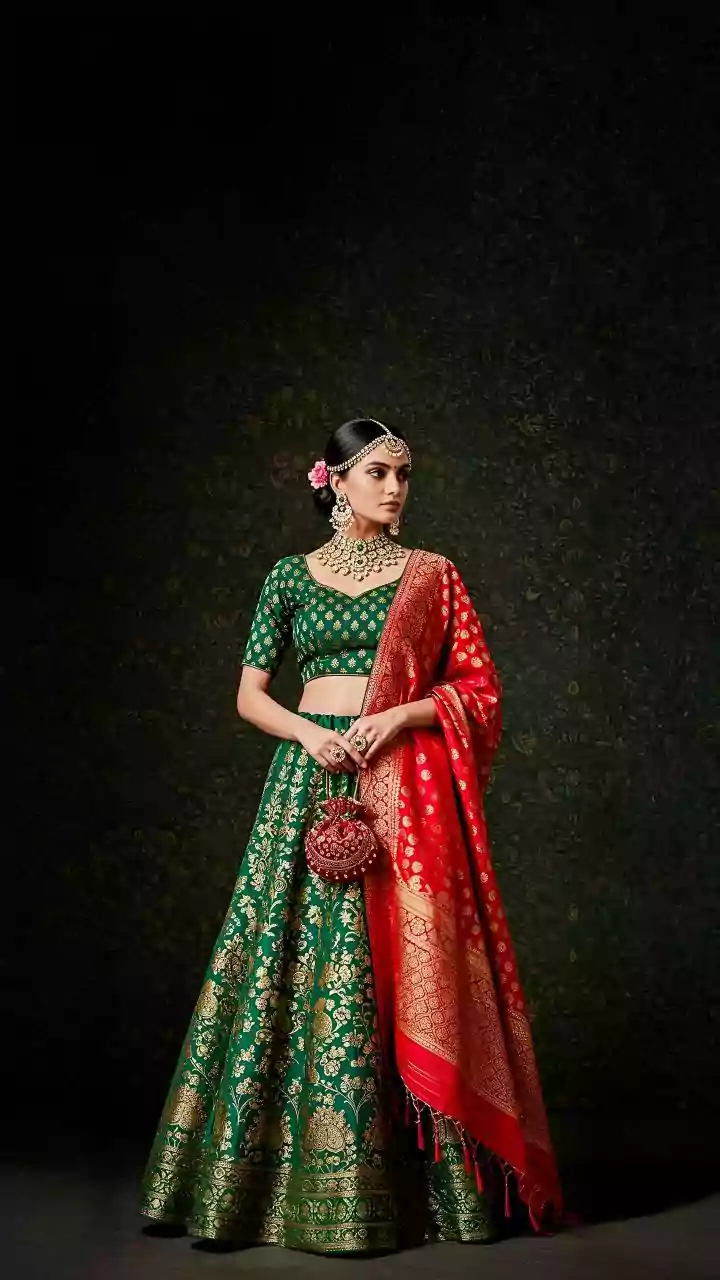
Using your heavy dupatta to create a bold colour contrast is a powerful styling move. Don't be afraid to pair bright, opposing colours for a festive and confident look. Imagine a hot pink top with an orange dupatta, or a royal blue suit with a vibrant green dupatta. This technique turns a simple outfit into a high-fashion statement. Alternatively, you can embrace a monochromatic look by pairing your dupatta with a minimalist outfit in the same colour family but a lighter shade. This creates a sophisticated, elongated silhouette where the texture and embroidery of the dupatta provide the main interest. For example, pair a heavily embroidered gold dupatta with a simple beige or cream-coloured sharara set.
Accessorise with Intention
When your dupatta is the star, accessories should play a supporting role. The primary rule is to avoid overwhelming the look. If your dupatta has a lot of work around the neck and shoulders, consider forgoing a necklace and opting for statement earrings instead. If you choose a draping style that leaves your neckline open, a delicate chain or a simple choker can work beautifully. When it comes to other accessories, keep them minimal. Choose elegant juttis or heels and a simple clutch or potli bag that complements either the minimalist outfit or a minor colour in the dupatta's embroidery. The idea is to create a balanced, intentional look where every element has its place and the focus remains firmly on your stunning dupatta.
Think Beyond Traditional Pairings
While a heavy dupatta with a plain salwar suit is a classic combination, modern styling offers more creative possibilities. Try draping your ornate dupatta with a contemporary ensemble, such as a pair of tailored cigarette pants and a simple silk top. You could also pair it with a floor-length skirt and a crop top to create a DIY lehenga effect. Another chic option is to use a belt to cinch the dupatta at your waist over a plain anarkali or even a long dress. This belted style not only defines your silhouette but also keeps the dupatta securely in place, making it a practical and fashionable choice for a long wedding function.