



Before You Go: Medical Prep is Key
A successful Himalayan trek begins weeks before you board the plane. Schedule a visit with your doctor, especially one familiar with travel medicine, at least a month or two in advance. Discuss your itinerary, pre-existing conditions, and necessary vaccinations.
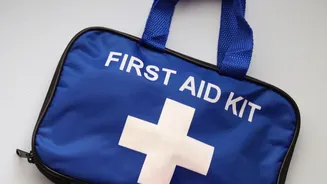
This is also the time to get prescriptions for essential medications. This includes antibiotics for potential infections and, crucially, medication for altitude sickness. Acetazolamide, commonly known by the brand name Diamox, is often prescribed to help speed up acclimatization. It works by stimulating breathing and increasing oxygen in your blood, but it's important to discuss its suitability and side effects, like increased urination or a tingling sensation, with your doctor. Pack a comprehensive first-aid kit with these prescriptions, as well as basics like pain relievers, blister treatment, and medication for traveller's diarrhoea.
Understanding Altitude Sickness
Altitude sickness, or Acute Mountain Sickness (AMS), occurs when your body doesn't adapt well to the lower oxygen levels at high elevations, typically above 8,000 feet. The initial symptoms are often mild and can resemble a hangover: headache, nausea, dizziness, fatigue, and loss of appetite. These symptoms usually appear 12 to 24 hours after arrival at a new, higher altitude. It's crucial not to ignore these signs. If left unaddressed, AMS can progress to life-threatening conditions: High-Altitude Pulmonary Edema (HAPE), which is fluid in the lungs, and High-Altitude Cerebral Edema (HACE), which involves swelling of the brain. The primary warning signs of HAPE include extreme breathlessness even at rest, a persistent dry cough, and a gurgling sound when breathing. HACE is characterized by confusion, loss of coordination, and altered behavior.
Acclimatize, Acclimatize, Acclimatize
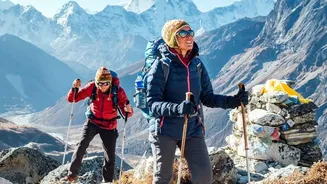
The single most important factor in preventing altitude sickness is a slow and steady ascent. Your body needs time to adjust to the decreased oxygen. The golden rule is 'climb high, sleep low,' which means you can hike to a higher point during the day but should return to a lower elevation to sleep. Once you are above 10,000 feet, avoid increasing your sleeping altitude by more than 1,500 feet per day and plan a rest day every few days. Listen to your body. If you start experiencing symptoms of AMS, do not ascend further. Rest at your current altitude until symptoms improve. If they worsen, the only cure is to descend to a lower elevation immediately.
Hydration, Diet, and Other Essentials
Staying hydrated is vital at altitude, but be mindful not to overdo it; drink when you feel thirsty. Increased urination from both the altitude and medications like Diamox means you'll need to replenish fluids constantly. Aim for clear urine as a good sign of hydration. Avoid alcohol, as it can interfere with acclimatization and contribute to dehydration. Eat a diet rich in carbohydrates, as your body uses them for energy more efficiently at altitude. Traveller's diarrhoea is also a common issue, so practice good hygiene by washing your hands frequently and being cautious with food and water sources. Only drink bottled, boiled, or treated water, and be wary of raw vegetables and street food.
Dressing for November's Cold
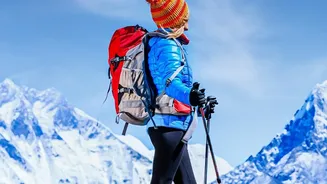
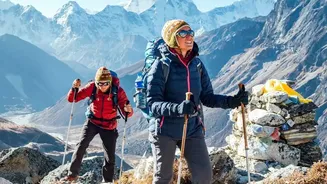
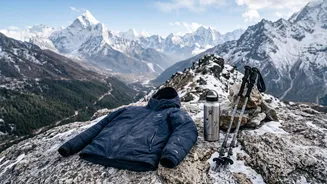
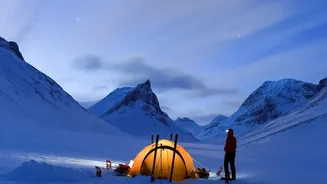
November marks the beginning of winter in the Himalayas. Temperatures can drop significantly, especially at night and at higher elevations, making cold-related injuries a real risk. The key to staying warm is layering. Start with a moisture-wicking base layer (avoid cotton), add an insulating middle layer like fleece or down, and top it off with a windproof and waterproof outer shell. This system allows you to add or remove clothing as your exertion level and the weather change. Pay special attention to your extremities. A warm hat, gloves or mittens, and warm wool or synthetic socks are non-negotiable to prevent frostbite and hypothermia.