







The Concrete Jungle That Never Sleeps
During the day, our bustling cities absorb a tremendous amount of solar radiation. Concrete buildings, asphalt roads, and other dense construction materials act like giant sponges for heat. In a natural landscape, this heat would dissipate as the sun
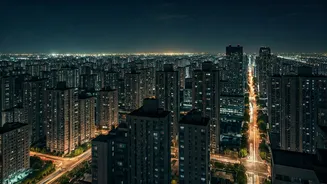
goes down, aided by soil and vegetation. But in the urban jungle, these materials slowly release the stored warmth throughout the night. This phenomenon, known as the Urban Heat Island (UHI) effect, is why downtown cores and dense residential areas can be several degrees warmer than surrounding rural areas, even in the dead of night.
Why Nights Are Getting Warmer
The core problem is the lack of cooling. A cooler night allows the human body to recover from the heat stress accumulated during the day. However, when nighttime temperatures remain stubbornly high, the body is denied this crucial recovery period. Recent data and studies show a worrying trend: nighttime temperatures in many Indian cities are rising faster than daytime ones. This means the gap between day and night temperatures is shrinking, leading to prolonged and sustained exposure to heat, often for 24 hours a day.
The Vicious Cycle of Cooling
Ironically, our attempts to find individual relief can make the collective problem worse. The growing reliance on air conditioners is a major contributor. While an AC unit cools the inside of a home or office, it does so by pumping hot air out into the street. In a dense city with thousands of units running simultaneously, this exhaust heat significantly adds to the ambient temperature, further intensifying the Urban Heat Island effect and making nights even warmer for those without access to mechanical cooling.
The Toll on Health and Well-being
These nightmare nights take a serious toll on public health. When the body cannot cool down, it remains under continuous physiological stress. This leads to poor sleep, dehydration, and an increased risk of heat exhaustion and heatstroke. For vulnerable populations—the elderly, children, and those with pre-existing conditions like heart or kidney disease—the risks are even greater. Doctors warn that prolonged exposure to high nighttime heat can increase cardiovascular strain, potentially leading to heart attacks and other severe complications.
Designing a Cooler Future
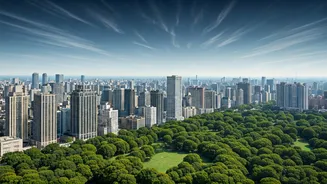
While the trend is alarming, it is not irreversible. The problem is man-made, which means the solutions can be too. Cities across India are beginning to explore strategies to mitigate urban heat. These include nature-based solutions like increasing green cover through parks, green roofs, and vertical gardens, which provide shade and cooling through evapotranspiration. Other strategies involve using 'cool' or reflective materials for pavements and roofs that absorb less heat, and smarter urban planning that promotes airflow instead of trapping heat in 'urban canyons'. Ahmedabad, for instance, has pioneered a Heat Action Plan that includes cool roofs for low-income housing. These measures are critical for building more resilient and liveable cities for the future.