



Why You Shouldn't Waste The Peel
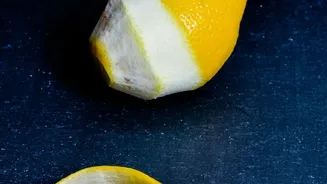
In the quest for a more sustainable kitchen, every scrap counts. Lemon peels, which are often discarded, are packed with aromatic oils and a bright, zesty flavour. They also contain Vitamin C and fibre. While the bitterness of the white pith can be off-putting,
the right preparation transforms the entire rind into a delicious condiment. Making chutney from leftover peels is a traditional practice in many Indian households, a clever way to ensure nothing goes to waste while creating a versatile side dish that pairs wonderfully with everything from parathas to rice.
The Essential Ingredients
This recipe is flexible, but a few core components are key to achieving that perfect balance of tangy, sweet, and spicy. For a basic lemon peel chutney, you will need the peels from about six to seven large lemons. Ensure you have a sweetener, like sugar or jaggery, to counteract the bitterness. Spices are crucial for depth; common choices include Kashmiri red chilli powder for colour and mild heat, roasted cumin powder, black salt, and a pinch of asafoetida (hing). Some recipes also incorporate ginger, garlic, or even other fruits like chopped apple to add complexity and texture.
Step 1: Preparing the Peels
The most critical step is managing the bitterness of the pith (the white layer). First, wash the lemons thoroughly. After juicing them, you can finely chop the leftover peels. Many cooks recommend boiling the chopped peels in water for about 10 minutes and then discarding the water; repeating this process can help remove a significant amount of bitterness. Another approach is to chop the peels and let them sit overnight with salt, which helps soften them and draw out some of the bitter compounds. For a smoother texture, you can grind the softened peels into a coarse paste before cooking.
Step 2: Cooking the Chutney
Once your peels are prepped, the cooking process is straightforward. In a heavy-bottomed pan, combine the prepared lemon peels (or paste) with your chosen sweetener. The general rule is to use an amount of sugar or jaggery equal to the weight of your peel paste to achieve a good balance. Add your spices—red chilli powder, cumin, salt, black salt, and any others you're using. Cook this mixture on a low flame, stirring continuously. The chutney is ready when the sugar has completely dissolved and the mixture has thickened to a jam-like consistency. This can take anywhere from 30 minutes to an hour. Let it cool completely before storing.
Variations and Other Citrus Fruits
This method isn't limited to just lemons. The peels of oranges can be used to create a wonderful, slightly different version of this chutney, often compared to a 'desi marmalade'. For orange peel chutney, the process is similar, though some recipes suggest adding tamarind pulp to enhance the tanginess. You can also experiment by adding other ingredients like sultanas or currants for sweetness, or finely chopped green chillies for a sharper heat. The key is to taste and adjust the sweet, sour, and spicy elements until they are balanced to your liking.
How to Store and Serve Your Chutney
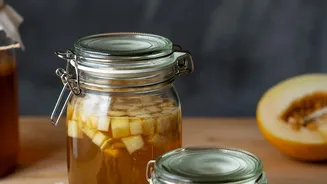
To ensure your chutney lasts, store it in a clean, sterilised, and completely dry glass jar. Once cooled, seal the jar tightly and keep it in the refrigerator. It should last for several months. Initially, the chutney might taste slightly bitter, but this flavour mellows over a week or two as the ingredients mature and meld together. This tangy condiment is incredibly versatile. Serve it as a side dish with rice and dal, spread it on toast or sandwiches, or pair it with snacks like samosas and pakoras.