






The Annual Challenge of Urban Flooding
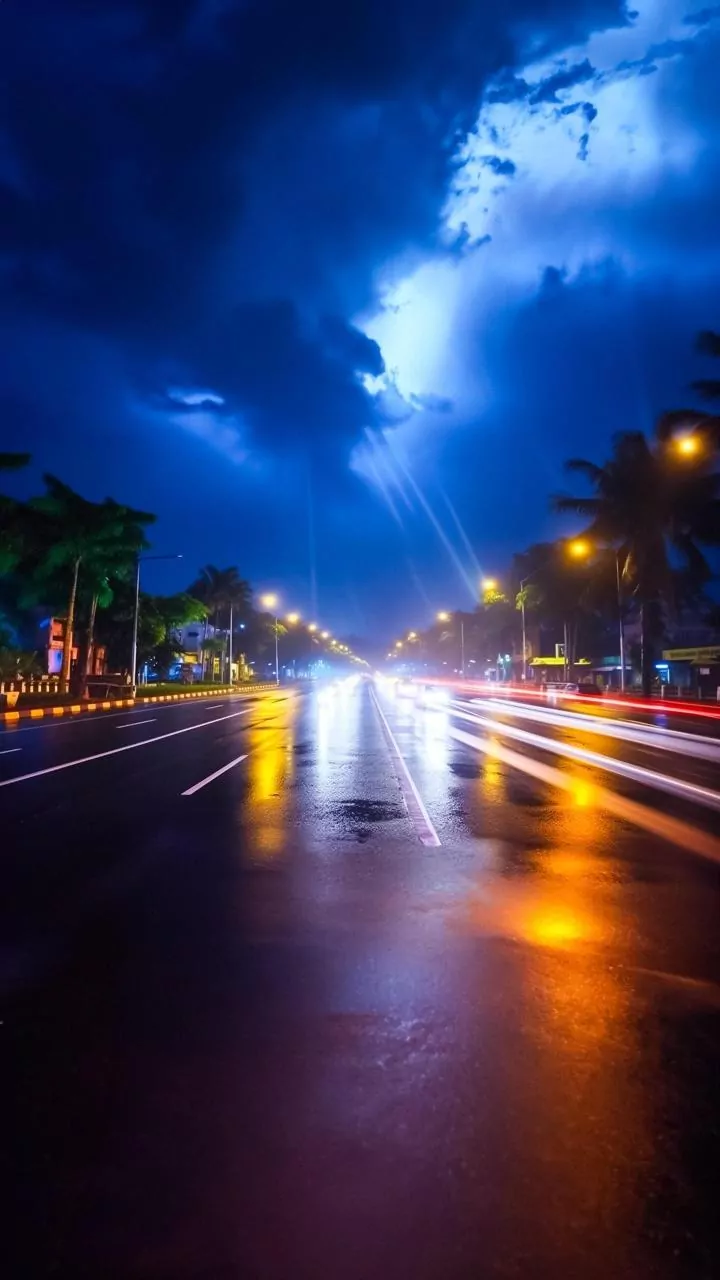
For public transport corporations like Chennai's MTC and Bengaluru's BMTC, the northeast monsoon is a predictable crisis. Heavy downpours turn roads into rivers, submerging underpasses and critical junctions. This poses a multi-faceted problem for bus
services. Firstly, navigating flooded streets is dangerous and can cause severe damage to vehicles. Constant exposure to water can wreck engines, electrical wiring, and other systems, leading to breakdowns. In Bengaluru, officials have previously cancelled hundreds of bus routes on days with severe waterlogging, citing the risk of breakdowns and immense traffic jams. This leaves commuters stranded and often at the mercy of surge pricing from ride-hailing apps. The physical condition of the bus fleet and the infrastructure, such as bus shelters, also comes under immense pressure.
A Three-Pronged Strategy: Reroute, Reinforce, and Inform
City transport bodies have developed a dynamic strategy to cope with the deluge, focusing on three key areas. The first is real-time operational adjustment. Control rooms become command centres, monitoring rainfall data and on-ground reports to identify waterlogged zones. This allows them to divert buses away from impassable routes, sometimes cancelling services on the worst-affected corridors to avoid buses getting stranded. Drivers are instructed to use their judgment and avoid risky, low-lying areas, with alternative routes provided where possible. The second prong is fleet preparedness. Before the monsoon, maintenance depots conduct special checks. This includes ensuring engine components are protected and electrical systems are insulated against water damage. Breakdown recovery vehicles are also kept on high alert, ready to be deployed to clear stranded buses that could otherwise cause further traffic bottlenecks.
Keeping Commuters in the Loop
The third and perhaps most crucial element is communication. Recognising that uncertainty is a major source of frustration for passengers, transport authorities increasingly use technology to provide real-time information. Enhanced GPS tracking allows agencies like Bengaluru's BMTC to monitor bus locations and provide commuters with more accurate arrival times via mobile apps. These platforms, along with social media channels, are used to broadcast information about route diversions, delays, and cancellations. This proactive communication helps passengers make informed decisions, such as seeking alternative routes or delaying their travel, and demonstrates a shift from a purely reactive to a more preventative approach to managing monsoon disruptions.
The Human Element on the Front Lines
Technology and planning are vital, but the system relies heavily on its frontline workers. Bus drivers and conductors bear the immense responsibility of navigating treacherous conditions. They make split-second decisions on the ground, often rerouting based on their experience and knowledge of the city's terrain when official diversions haven't been announced yet. In some cases, drivers have to make the tough call to de-board passengers if water begins to enter the vehicle, prioritising safety above all. Their ability to handle stress and adapt to rapidly changing conditions is a critical, often overlooked, part of the system's resilience.
Coordination and Long-Term Solutions
Bus services don't operate in a vacuum. Effective monsoon management requires close coordination with other civic bodies, including traffic police, municipal corporations responsible for drainage, and disaster management agencies. In Chennai, the Greater Chennai Corporation (GCC) readies over a thousand high-capacity pumps to clear water from subways and flood-prone areas, a crucial task that enables buses to resume services. While these adaptive measures help cities get through the monsoon, they also highlight the need for long-term infrastructure improvements. Efforts to desilt stormwater drains, upgrade drainage networks, and clear encroachments are ongoing but remain a monumental task. Ultimately, the resilience of city transit during the monsoon is a measure of both immediate adaptability and long-term urban planning.