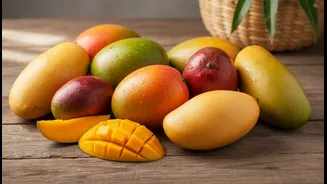









The Problem with the Nameless Mango
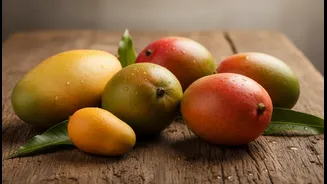
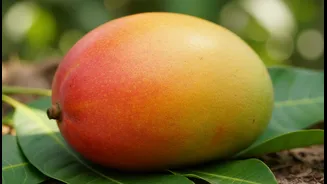
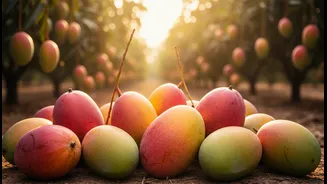
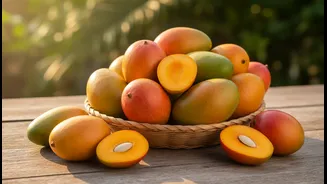
Walk into many markets across India, and you will be greeted by pyramids of golden, green, and blushing mangoes, often sold under a single, unhelpful banner: 'Mango'. This anonymity is a problem. It treats a fruit with nearly 1,500 varieties in India as
a monolith. A shopper might be paying a premium for what they believe is a Ratnagiri Alphonso, only to receive a lesser-known variety that looks similar but lacks the distinct aroma and creamy, non-fibrous texture. This is not just a matter of taste; it is a matter of transparency. When all mangoes are treated the same, the unique qualities that make each variety special are lost in a sea of generic produce. This ambiguity allows for confusion and, at times, outright deception, leaving consumers disappointed and farmers of superior varieties unrewarded.
A World of Flavor, Lost in Translation
To understand what is lost, one must appreciate the sheer diversity at stake. A Langra from Varanasi, which remains green even when ripe, offers a tangy-sweet flavour and a unique story of its origin. This is a world away from the intensely sweet, fibreless Malihabadi Dusseheri from the riverbanks of Uttar Pradesh. Or consider the Gir Kesar from Gujarat, whose saffron-coloured pulp and rich aroma make it the queen of mangoes for many and perfect for aamras. Then there's the Banganapalli from Andhra Pradesh, a large, golden-yellow fruit with its own GI tag, prized for its sweet, fiberless flesh. Each of these mangoes tells a story of its soil, climate, and the generations of farmers who have cultivated it. When a seller simply calls them all 'mango', that rich tapestry of taste, texture, and history is erased.
The Economic Case for Clarity
The lack of specific branding and labeling directly hurts the people who grow our food. Farmers who cultivate unique, heritage varieties face immense challenges, from high costs to the exploitation by middlemen. Without a system that recognizes and rewards the quality of their specific produce, they are forced to sell into a commoditized market. The prices are often fixed by wholesale agents, leaving farmers with little to no negotiating power. A farmer growing the prized Fazli mango in West Bengal should be able to command a better price based on its reputation, but if it is sold anonymously, that value is captured by intermediaries, not the grower. Proper labeling empowers farmers by allowing them to build a brand around their specific regional product, fostering a direct connection with consumers who appreciate and are willing to pay for quality and authenticity.
Beyond the GI Tag
India has made strides in recognizing its agricultural treasures through the Geographical Indication (GI) tag system. This legal protection ensures that only a mango from a specific region can carry a celebrated name like 'Alphonso' or 'Gir Kesar'. As of 2026, over a dozen mango varieties have this status, which protects their regional identity and prevents fraud. However, the GI tag is only the first step. Its power diminishes if the information doesn’t reach the consumer at the point of sale. Many shoppers are still unaware of what a GI tag means, and vendors may not display it prominently. What is needed is a broader culture of labeling that goes beyond just the GI-tagged varieties—a simple, clear label on every basket or box that states both the variety and its place of origin.
What You Can Do as a Consumer
The power to drive this change also lies with us, the consumers. The next time you go to buy mangoes, start asking questions. Ask the vendor for the name of the variety and where it came from. Is it a Chausa from Uttar Pradesh, known for its incredible sweetness, or a Totapuri, with its distinctive parrot-beak shape? Show interest in the stories behind the fruit. By showing that we care about the specifics, we create a market demand for information. Patronize sellers who take the time to label their produce correctly. When we start choosing our mangoes not just by how they look, but by their name and their story, we send a powerful message that their identity matters. This simple act can help shape a more transparent and fair market for everyone.