





Handle With Care and Cleanliness
The first rule of food safety begins long before storage: clean preparation. Always wash your hands thoroughly with soap and water for at least 20 seconds before you start making prasad. Use clean utensils and ensure your cooking surfaces are sanitized
to prevent any cross-contamination. This practice, rooted in both hygiene and tradition, ensures the purity of the offering from the very start. Only sattvic, fresh ingredients should be used, and the food should be prepared in a clean, positive environment.
Cool Down Before You Cover Up
One of the most common mistakes is storing hot or warm food directly in the refrigerator. Before you store any prasad, especially cooked items like ukadiche modak or sheera, let them cool down to room temperature. Placing hot food in a sealed container creates condensation. This trapped moisture can make the prasad soggy and create a breeding ground for bacteria, causing it to spoil much faster. To cool items quickly, you can spread them on a clean plate or tray. Once cooled, they are ready for proper storage.
Know Your Prasad's Shelf Life
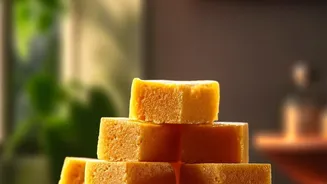
Not all prasad is created equal when it comes to shelf life. The ingredients used are the biggest factor. Sweets made with milk, khoya (mawa), or fresh coconut, like coconut ladoos or milk-based pedas, are highly perishable. These should be consumed within a day or two and must be refrigerated. Prasad made with ghee, sugar, and flour, such as besan ladoo or many dry fruit sweets, have a much longer shelf life. These can often last for several days, and some even for weeks, at room temperature if stored correctly.
Choose the Right Storage Container
Using the right container is crucial for maintaining freshness. Airtight containers are your best option as they protect the prasad from air, moisture, and other odours in the refrigerator. Glass jars or high-quality, food-grade plastic containers work well. For dry sweets like ladoos, an airtight tin can also be effective. Storing sweets properly prevents them from becoming hard, losing their flavour, or absorbing unwanted smells from other foods.
Refrigerate (But Not Everything)
Refrigeration is essential for most prasad, especially items containing fresh coconut or milk products. Ukadiche modak, for example, stays well for up to three days in the fridge. However, not all sweets benefit from the cold. Some ghee-based ladoos can become very hard when refrigerated. For these, a cool, dry place at room temperature is often better. If you do refrigerate harder sweets, let them sit at room temperature for about 10-15 minutes before serving to allow them to soften.
Use Your Freezer for Longer Storage
If you've made a large batch of prasad and want to enjoy it long after the festival, the freezer is an excellent option. Many types of ladoos and even unsteamed modaks can be frozen. To freeze, arrange the items in a single layer on a tray. Once they are firm, transfer them to a freezer-safe airtight container, placing parchment paper between layers to prevent them from sticking. They can be stored for up to a month this way. Simply thaw them in the refrigerator before serving.
When in Doubt, Trust Your Senses
Food safety ultimately relies on good judgment. Before serving or consuming stored prasad, always check for signs of spoilage. Trust your senses. If a sweet looks discoloured, has developed mould, or has an off-smell or sour taste, it is best to discard it. During festivals, the last thing anyone wants is a foodborne illness, so it's always better to be cautious and prioritise health.