








Understanding 'Bite': More Than Just Crunch
In the culinary world, 'bite' is a term that does double duty. On one hand, it refers to texture—a satisfying resistance when you chew, like the firmness of perfectly cooked pasta or a crunchy piece of carrot. On the other hand, it describes a sharp,
pronounced flavor, such as the heat from a chili or the tang from a splash of vinegar. A great vegetarian dish often feels like it’s missing something not because it lacks meat, but because it lacks this textural or flavour-based contrast. A bowl of soft lentil soup, for example, is comforting. But a bowl of that same soup topped with crispy fried onions and a squeeze of lime becomes exciting and dynamic. The secret to better vegetarian cooking is learning how to intentionally add this 'bite' back into your meals.
The Power of Textural Contrast
The easiest way to introduce bite is by adding a crunchy or chewy element. This creates a more engaging eating experience, preventing the dreaded 'mushy' quality that can sometimes plague vegetable-heavy dishes. Toasted nuts and seeds are a brilliant and simple starting point. A sprinkle of toasted peanuts or cashews on a simple stir-fry or curry adds richness and a delightful crunch. Similarly, a traditional tadka (tempering) of mustard seeds, lentils like urad dal, and curry leaves fried in ghee or oil provides both a textural pop and an aromatic punch to dals and sabzis. Other fantastic options include roasted chickpeas, crispy fried shallots, toasted breadcrumbs, or even puffed rice for a substance-adding crunch.
A Jolt of Acidity
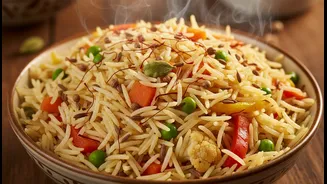
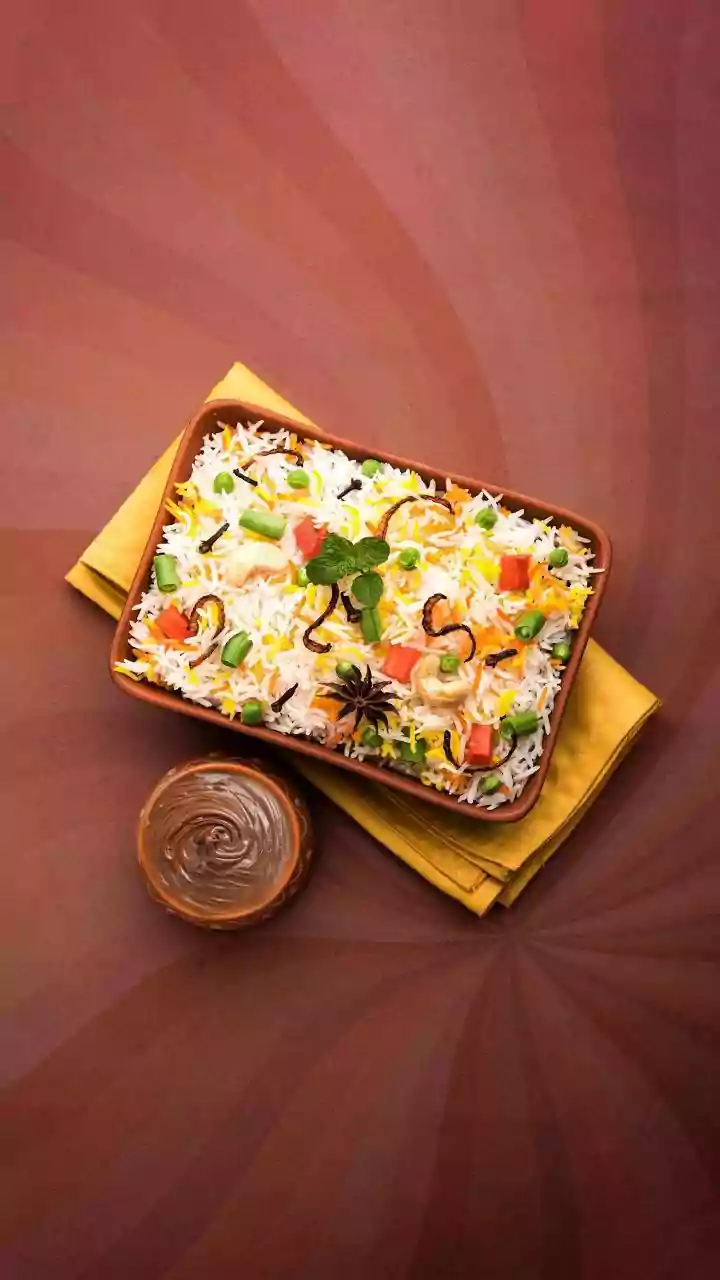
Flavor bite is just as crucial, and acidity is its champion. A hit of something sour cuts through richness, balances sweetness, and makes all the other flavors in a dish brighter and more distinct. Think about how a simple squeeze of lemon or lime transforms a humble bowl of dal or a plate of poha. That acidic kick lifts everything. Vinegars are another powerful tool; a splash of balsamic glaze on roasted vegetables or a little apple cider vinegar in a bean salad can be revelatory. Don't forget fermented foods like yogurt or pickled vegetables. A dollop of dahi on a spicy biryani or some pickled onions served alongside chana masala adds a creamy, tangy bite that completes the meal.
Unlocking Deep Savoury Flavours (Umami)
Umami, often called the fifth taste, is that deep, savoury flavour that makes food so satisfying. While commonly associated with meat, it is abundant in the plant world. Mushrooms, especially dried varieties like shiitake, are umami powerhouses. Roasting vegetables like tomatoes, onions, and garlic also concentrates their natural sugars and develops a deep, savoury character. Tomato paste is a concentrated source of umami that can add incredible depth to curries and sauces. For a more modern Indian pantry, soy sauce and miso paste—both fermented products—are excellent shortcuts to building a rich, savoury backbone in your vegetarian dishes, proving you don’t need meat to create profound flavour.
Bringing the Heat and Substance
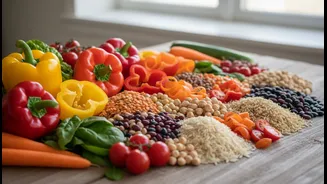
For many in India, 'bite' can also mean a pleasant kick of heat. The strategic use of fresh green chillies, dried red chillies, or even pungent black pepper adds a sharpness that makes food more exciting. The key is balance—using heat not just for fire, but to enhance the other ingredients. Beyond spice, another form of bite comes from substantial, chewy textures. Ingredients like paneer, firm tofu, or hearty legumes such as kidney beans and chickpeas provide a satisfying, 'meaty' chewiness that makes a meal feel more robust and filling. Cooking with whole grains like barley or brown rice instead of just white rice can also add a pleasant chew and substance to your plate.