





From Spiritual Retreat to Digital Hub
For decades, Rishikesh has been known globally as the 'Yoga Capital of the World', a sanctuary for spiritual seekers and adventure tourists. But a quieter transformation has been taking place. The town is rapidly evolving into a sought-after destination
for digital nomads and remote workers from India's bustling metropolitan centres. This shift is powered by more than just scenic views; it represents a fundamental change in how young professionals view their careers and lifestyles. The infrastructure has caught up to the ambition, with the arrival of high-speed fibre internet turning what was once a connectivity concern into a reliable asset for a demanding workforce.
The Rise of Co-Living and Co-Working
At the heart of this trend are specialised co-living and co-working spaces designed specifically for productivity. Forget cramped hotel rooms; these hubs offer a package deal of high-speed Wi-Fi, essential power backup, comfortable workstations, and community. Establishments in quieter areas like Tapovan are particularly popular, offering a distraction-free environment that's still a short walk from riverside cafes. Monthly packages can range from budget-friendly dorm beds for under ₹18,000 to private rooms costing between ₹25,000 and ₹50,000, often including meals and utilities. This model solves the twin challenges of remote work: isolation and unreliable infrastructure.
Trading Burnout for a Balanced Life
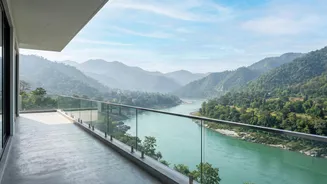
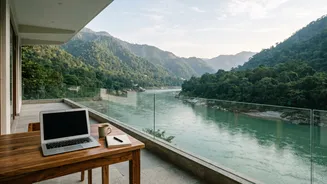
The pull of Rishikesh for tech freelancers and other young professionals is deeply rooted in a desire to escape urban burnout. The post-pandemic normalisation of remote work has allowed many to question the necessity of living in expensive, high-stress cities. Rishikesh offers an antidote: a lower cost of living and a culture steeped in wellness. The lifestyle here is a compelling blend of productivity and peace. A day that starts with a yoga session, followed by coding with a view of the Ganga, and ends with attending the evening aarti is a powerful proposition for those seeking to improve their mental and physical well-being without sacrificing their career.
More Than Just a Desk with a View
One of the most significant advantages of these co-living hubs is the built-in community. Remote work can be isolating, but these spaces are designed to foster connection. They bring together a diverse group of coders, writers, designers, and entrepreneurs who share a common desire for a more intentional way of life. This environment naturally sparks collaboration, networking, and friendships. Many hubs organize group activities, from weekend treks and white-water rafting to skill-sharing workshops and bonfire nights, ensuring that residents feel connected both professionally and socially.
The Practical Realities of a Hillside Office
While the dream of working from the mountains is alluring, there are practical considerations. Wi-Fi speeds can vary, so it's wise to check recent reviews and have a mobile data plan with a reliable provider as a backup. While the cost of living is generally lower than in a major metro, it's important to clarify what's included in any long-stay package. The influx of remote workers also raises questions about the impact on the local culture and infrastructure. However, for many, the benefits of enhanced creativity, reduced stress, and a healthier lifestyle far outweigh the challenges, making a Rishikesh workation a calculated and rewarding choice.