







The Familiar Conflict
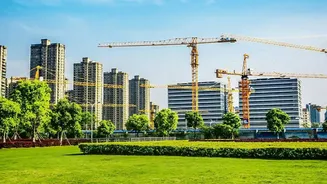
The tension is a daily reality for millions. A new metro line slices through a beloved community park. A residential tower replaces a neighbourhood green patch. As cities expand to accommodate population growth and economic ambition, land becomes the
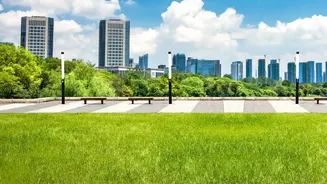
most precious commodity. This pressure often frames development and environmental preservation as a zero-sum game. When the demand for housing, roads, and commercial spaces intensifies, open green areas are frequently seen as underutilised assets, ripe for conversion. This perspective, however, overlooks the immense value that parks provide, from public health benefits and psychological well-being to crucial ecological services like managing air pollution and urban heat.
Smarter Density, Not Sprawl
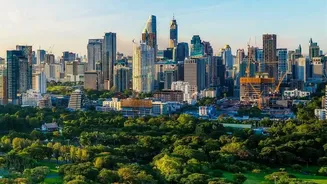
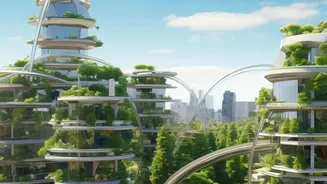
The answer isn’t to stop building, but to build smarter. Unchecked horizontal sprawl is often more damaging than dense, vertical growth. Well-planned density can preserve more land for green spaces. The concept of the 'compact city' focuses on creating mixed-use neighbourhoods where people can live, work, and socialise without relying on cars. This approach reduces the pressure to build on the city's periphery, often where vital natural habitats exist. Integrating green infrastructure—like small parks, greenways, and even green roofs—into these dense areas is crucial. It means treating green space not as a leftover, but as essential infrastructure, just like water pipes and electricity grids.
Policy Tools for a Greener Future
Cities are not powerless in this struggle. A range of policy tools can help reconcile development with conservation. One powerful mechanism is Transfer of Development Rights (TDR). This allows a landowner in a designated conservation zone (like a park or ecologically sensitive area) to sell their unused development potential to a builder in an area marked for growth. The builder can then construct more than the standard limit, while the conservation area is permanently protected. Cities like Mumbai and Hyderabad have used TDR to create public amenities and widen roads without direct land acquisition costs. Other vital tools include strict zoning regulations, mandatory inclusion of green spaces in new projects, and environmental impact assessments that have real teeth.
Lessons from Green Giants
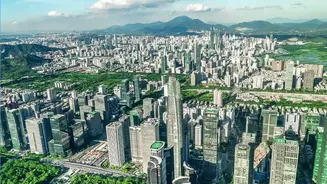
Proof that density and greenery can coexist comes from global examples. Shenzhen, which transformed from a village into a megacity, protected nearly half its territory through an “Ecological Red Line” policy and now has over 950 parks. In Brazil, the city of Curitiba transformed flood-prone areas into a massive network of parks, saving money on expensive engineering while creating valuable public amenities. Closer home, Delhi's network of biodiversity parks, developed on once-degraded lands, shows how urban nature can be actively restored. These cities demonstrate that protecting green space is a deliberate choice, achieved through ambitious planning and strong political will.
The Power of the People
Ultimately, government policies and smart planning can only succeed with community involvement. Across India, citizen movements have been the bedrock of urban forest protection. The 'Save Aarey' campaign in Mumbai and student protests to forest land in Hyderabad show how organized citizens can influence policy and judicial outcomes. This reflects a growing public awareness that the quality of urban life is directly tied to the health of its green spaces. From demanding the preservation of existing parks to creating and maintaining smaller community gardens, active participation ensures that the city develops for its people, not just on top of their needs.