




The Joy of Being a Present Host
Entertaining at home should be a pleasure, not a performance fraught with stress. The biggest source of anxiety for many hosts is the frantic period just before guests walk in. This is when you're trying to cook, clean, and get yourself ready simultaneously.
The secret to avoiding this chaos lies in a simple strategy: cooking ahead. By shifting the bulk of your culinary work to the day before, or the morning of, your party, you transform that final hour from a frantic sprint into a calm and collected final touch. You get to greet your guests with a genuine smile, a cool drink in hand, rather than a flustered apology and a sheen of sweat. This isn't about cutting corners; it's about smart planning that lets you be a host who is present, relaxed, and part of the fun.
Appetisers and Starters That Wait for You
The first bites set the tone for the evening, but they shouldn't require you to be frying pakodas as the doorbell rings. Many Indian appetisers are perfect for advance preparation. Kebabs, like paneer tikka or seekh kebabs, can be marinated a day in advance. Simply thread them onto skewers and keep them refrigerated, ready for a quick grill or pan-fry just before serving. Dips and chutneys, such as mint-coriander chutney or a creamy yogurt dip, can be made a day or two ahead. Samosa fillings can be prepared, and you can even assemble them, keeping them refrigerated before frying. For an even easier option, consider chaats where most components like papdi, sev, and boiled potatoes can be prepped, requiring only a quick assembly with chutneys and yogurt when your guests arrive.
Main Courses That Improve with Time
Many of the most beloved Indian main courses don't just tolerate being made in advance—they actively benefit from it. Curries, stews, and dals are prime examples. A day in the fridge allows the spices in dishes like Rajma Masala, Chana Masala, or a rich Lamb Rogan Josh to meld and deepen, resulting in a much more complex and robust flavour profile. Biryanis and pulaos can also be assembled or even fully cooked ahead of time. You can cook the rice and the meat or vegetable gravy separately and layer them on the day of the party for the final 'dum' cooking, or simply reheat the fully prepared dish. This is a game-changer, moving a complex, multi-step process out of the pre-party rush hour.
Desserts Designed for Preparation
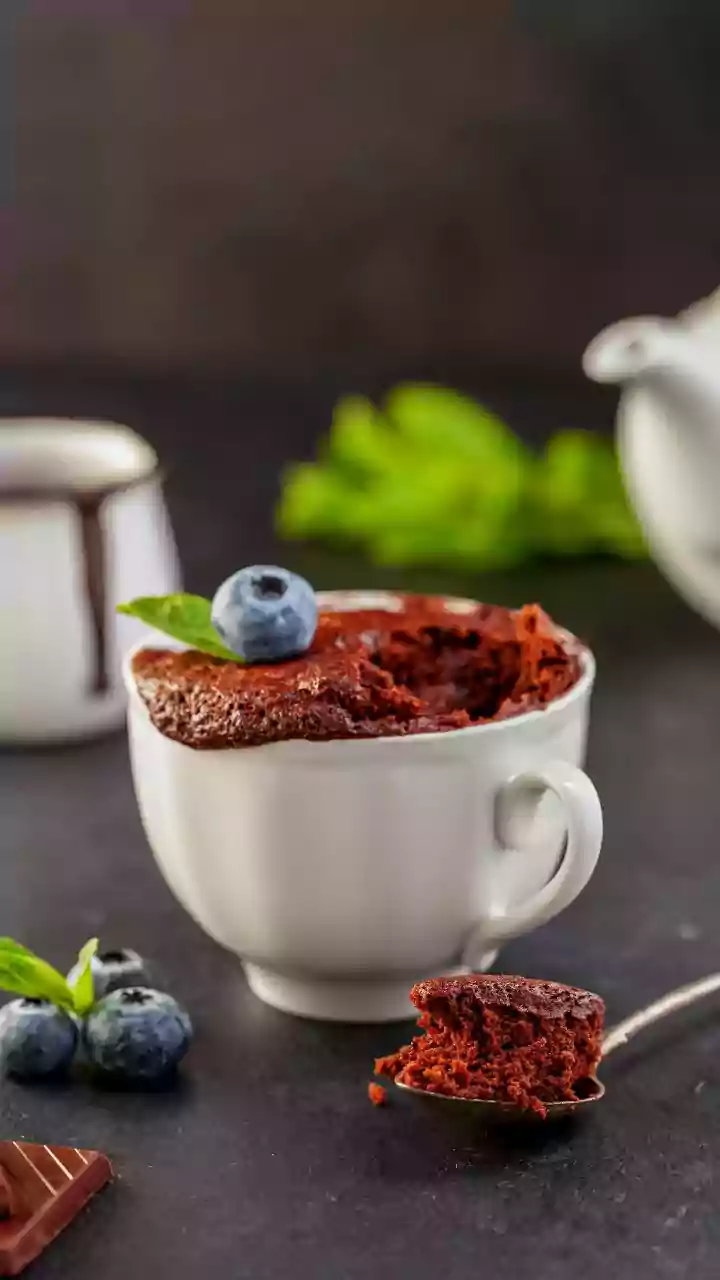
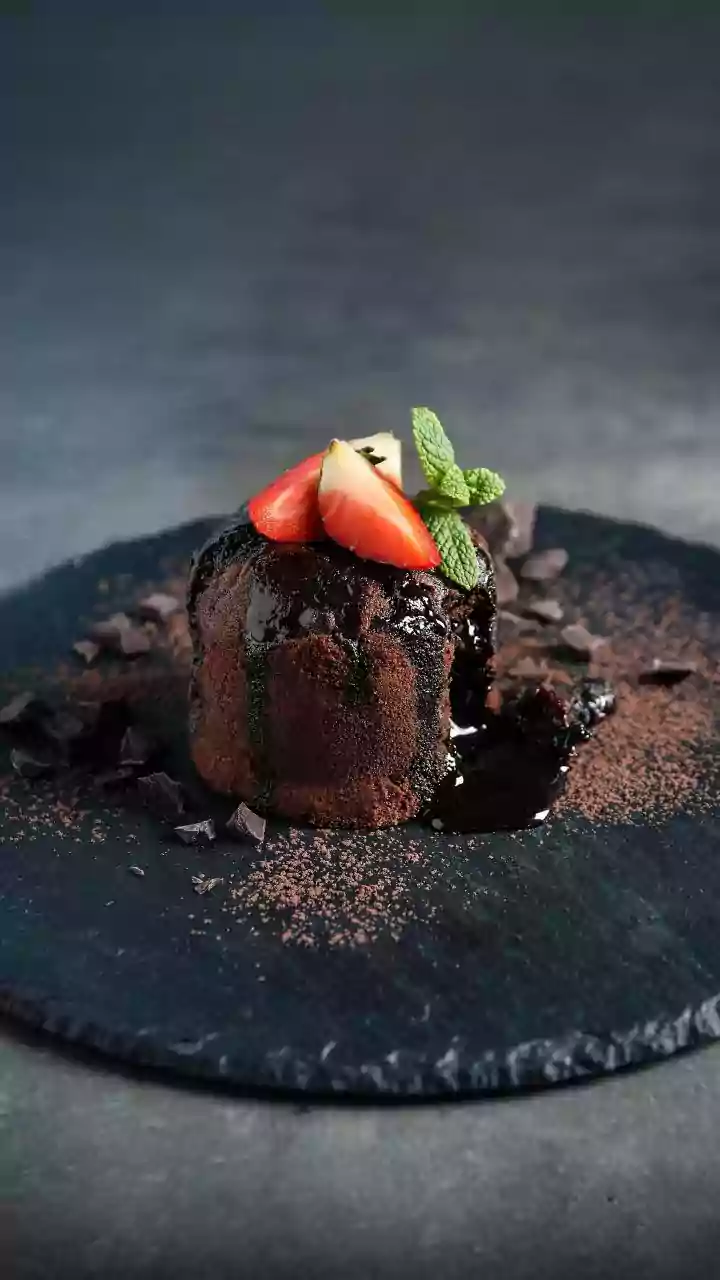
Dessert should be a sweet ending, not a stressful one. Luckily, many classic Indian and Western desserts are ideal for making ahead. A creamy kheer or phirni needs to chill for hours to achieve the perfect consistency, making it an ideal make-ahead option. Fruit salads can be chopped and stored in the fridge (add bananas last-minute to prevent browning). If you're opting for baked goods, things like cheesecakes, mousse, and pies often need to be refrigerated overnight to set properly. Even brownies and cookies can be baked a day before and stored in an airtight container. Having dessert completely done and ready to serve means you only need to worry about clearing the main course plates.
The Art of Reheating
The final step to a successful cook-ahead strategy is mastering the reheat. Your goal is to bring dishes back to their ideal temperature without drying them out. For curries, dals, and other gravy-based dishes, a gentle simmer on the stovetop is best; add a splash of water or broth if they've thickened too much. For dry dishes like kebabs or baked items, the oven is your friend. Cover them with foil to trap steam and prevent them from drying out. A clever trick for reheating meats or even vegetable dishes is to pour a little hot, flavourful broth over them just before serving, which adds moisture and warmth instantly. Rice dishes can be tricky, but a microwave with a splash of water or reheating in a covered pan on low heat can bring them back to life perfectly.