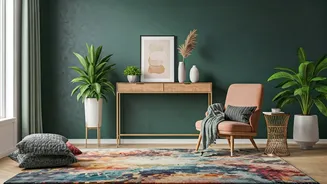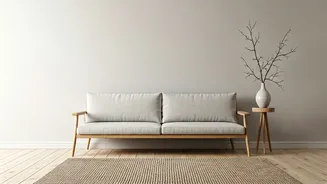



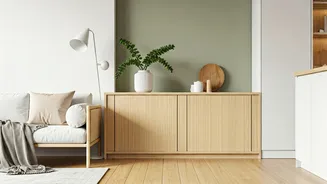


What Exactly is Japandi?
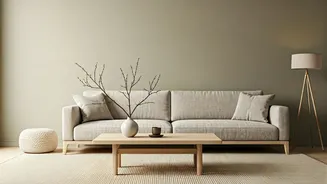
At its core, Japandi is a hybrid design philosophy. It marries the rustic minimalism of Japanese aesthetics with the clean, modern functionality of Scandinavian design. Imagine the simple, nature-inspired elegance of a traditional Japanese home combined
with the bright, cosy-yet-uncluttered feel of a Nordic living room. The result is a style that is minimal without being cold, and comfortable without being cluttered. It isn’t about stark emptiness; it’s about creating a serene, highly functional space where every object has a purpose and a place.
The Japanese Influence: Wabi-Sabi
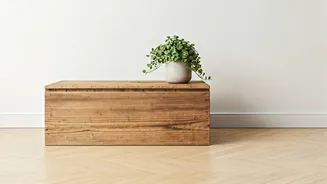
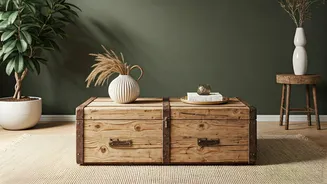
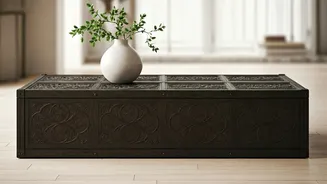
The Japanese side of the equation is rooted in the philosophy of ‘wabi-sabi’. This is the art of finding beauty in imperfection, impermanence, and authenticity. Think handmade ceramics with slight irregularities, the natural grain of unstained wood, or a piece of furniture that shows its age with grace. Japandi embraces these elements, valuing natural materials like bamboo, paper, and stone. The colour palette is often muted and earthy—shades of beige, cream, charcoal, and soft greens—creating a tranquil and grounded atmosphere that encourages mindfulness and a connection to the natural world.
The Scandinavian Side: Hygge and Function
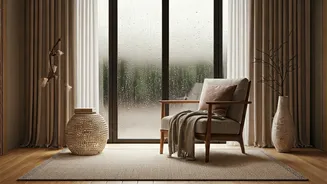
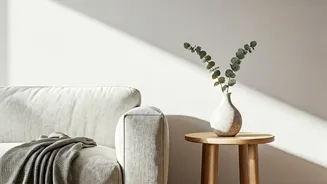
From Scandinavia, Japandi borrows the concept of ‘hygge’—that feeling of cosiness, contentment, and well-being. This comes through in the use of soft textiles like wool and linen, warm lighting, and the emphasis on creating a comfortable haven. But it’s also deeply practical. Scandinavian design is renowned for its commitment to function, clean lines, and clever craftsmanship. Furniture is elegant but built to last and serve a clear purpose. This practicality prevents the space from feeling like a museum; it’s meant to be lived in and enjoyed. The light, neutral colour palettes and focus on maximizing natural light are also key Scandinavian contributions.
Why These Two Styles Blend So Perfectly
The reason Japandi feels so harmonious is that Japanese and Scandinavian design share a deep, underlying respect for craftsmanship, simplicity, and nature. Both traditions favour quality over quantity and prioritize creating a calm, uncluttered environment. While Japanese design leans more towards rustic elegance and Scandinavian design towards modern simplicity, their shared values create a perfect partnership. The richness of Japanese colours and textures warms up the sometimes-stark coolness of Nordic design, while the Scandinavian focus on comfort makes the Japanese minimalist aesthetic feel more liveable and inviting.
Bringing the Timeless Trend Home
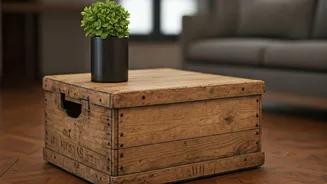
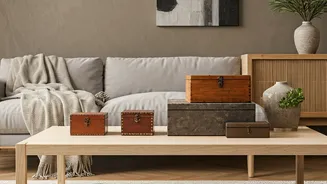
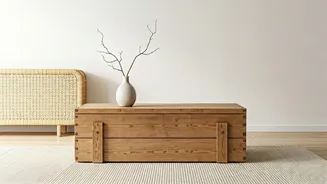
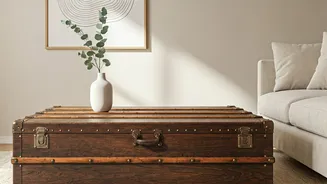
Adopting Japandi doesn’t require a complete overhaul. It's more about shifting your mindset. Start by decluttering with intention, keeping only the items that are beautiful, useful, or hold sentimental value. When buying new pieces, focus on quality and craftsmanship. Choose furniture with clean lines made from natural materials like oak, bamboo, or rattan. Introduce texture through linen cushions, woollen throws, and handmade pottery. Keep your colour palette neutral and calm, using darker accent colours like charcoal or indigo sparingly for contrast. Most importantly, embrace imperfection. A crack in a vase or the weathered patina on a wooden table isn't a flaw—it's part of the story.