
The Right Footwear Is Non-Negotiable
Your entire trek depends on your feet. For rainy, muddy, and slippery trails, especially in regions like the Sahyadris, standard sneakers are a major risk. Invest in a pair of waterproof trekking shoes with deep lugs for superior grip. Ankle support is crucial
to prevent twists on uneven terrain. Equally important are your socks. Pack at least two pairs of synthetic or wool socks. Unlike cotton, these materials wick moisture away from your skin, which is the single best defence against blisters and discomfort. Remember to break in your new shoes on short walks before the main trek.
Mastering the Art of Layering
Staying dry is about smart layering, not just one heavy jacket. Your clothing system should consist of three parts. Start with a base layer—a synthetic, quick-drying t-shirt (polyester or nylon) that pulls sweat away from your body. Avoid cotton at all costs; it absorbs moisture and will make you cold. Your second layer is for insulation, like a lightweight fleece jacket that provides warmth without bulk. The final, most critical layer is your shell—a waterproof and breathable rain jacket and a pair of rain pants. This outer shield protects you from both wind and rain.
A Reliable Rain Jacket or Poncho
Your outermost layer is your first line of defence against a downpour. You have two main options: a dedicated waterproof jacket or a poncho. A good jacket should be seam-sealed and have a hood with a brim to keep rain off your face. Many modern jackets also have ventilation zippers under the arms to release body heat during strenuous climbs. A poncho is a versatile and budget-friendly alternative that can cover both you and your backpack. Whichever you choose, ensure it's genuinely waterproof, not just water-resistant, to handle sustained rain.
Keep Your Gear Dry: Backpack and Cover
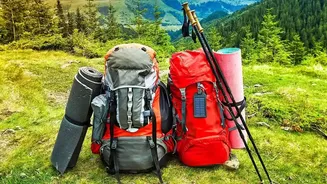
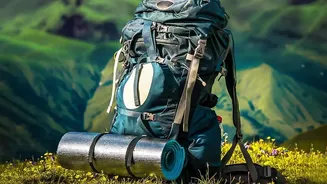
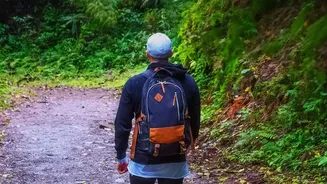
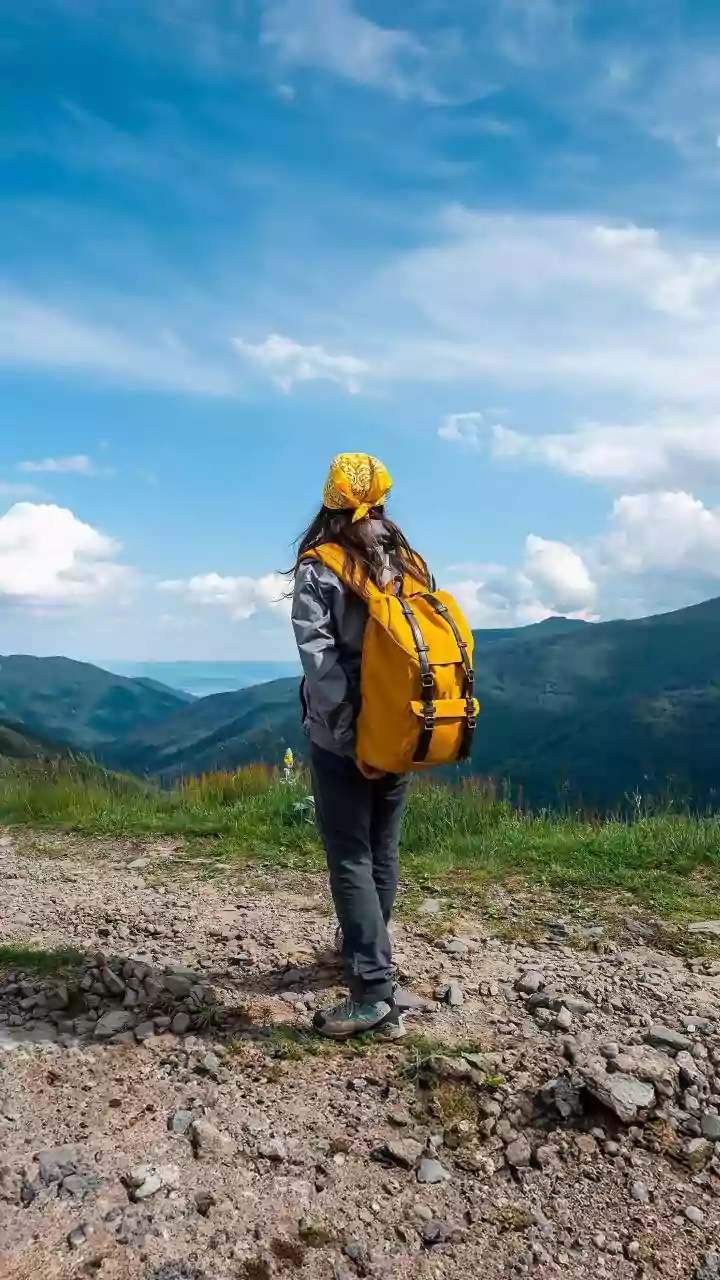
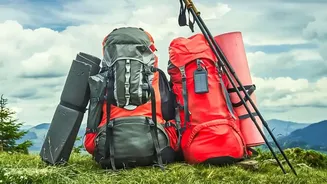
Even a waterproof backpack needs extra protection in a monsoon. A dedicated rain cover is an absolute must-have to shield your pack from getting waterlogged. For a weekend trek, a 30-40 litre rucksack is usually sufficient. Inside your pack, take waterproofing a step further. Use dry bags or even simple plastic bags to line your main compartment and compartmentalise your belongings. This ensures that even if some moisture gets through the outer cover, your spare clothes, electronics, and food remain completely dry.
Navigation and Safety First
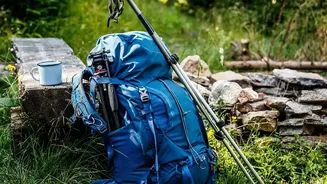
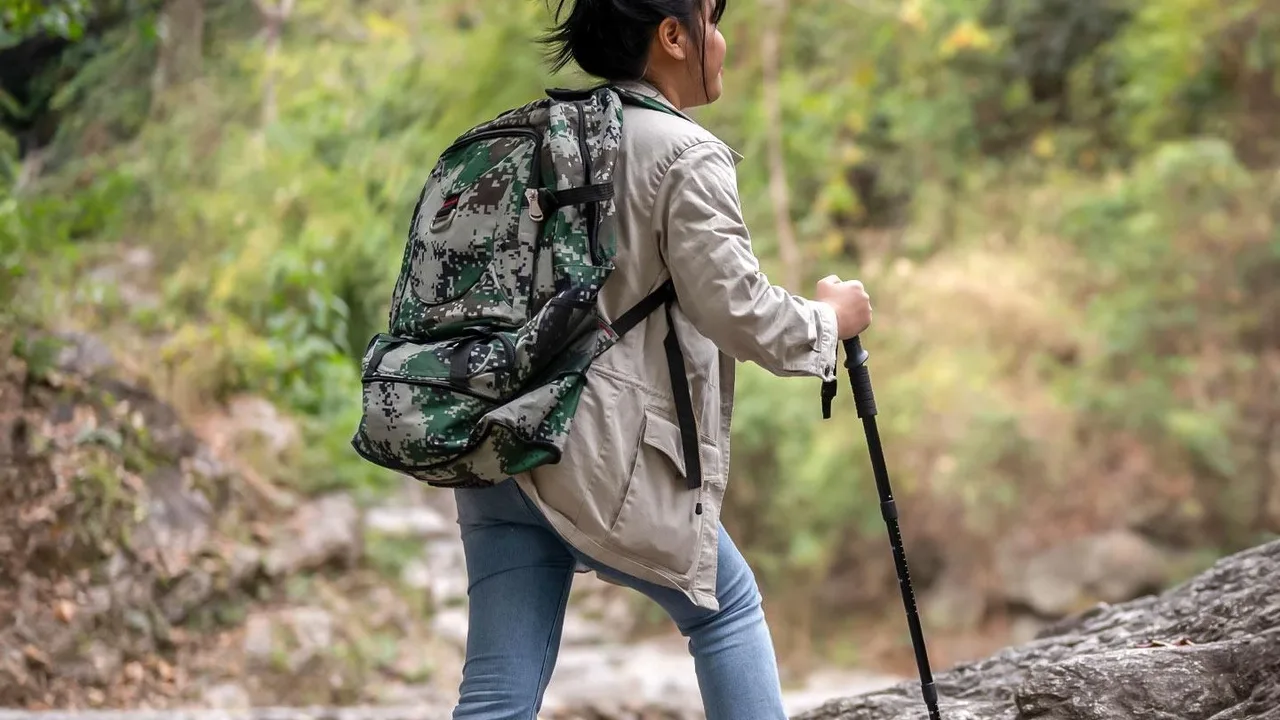
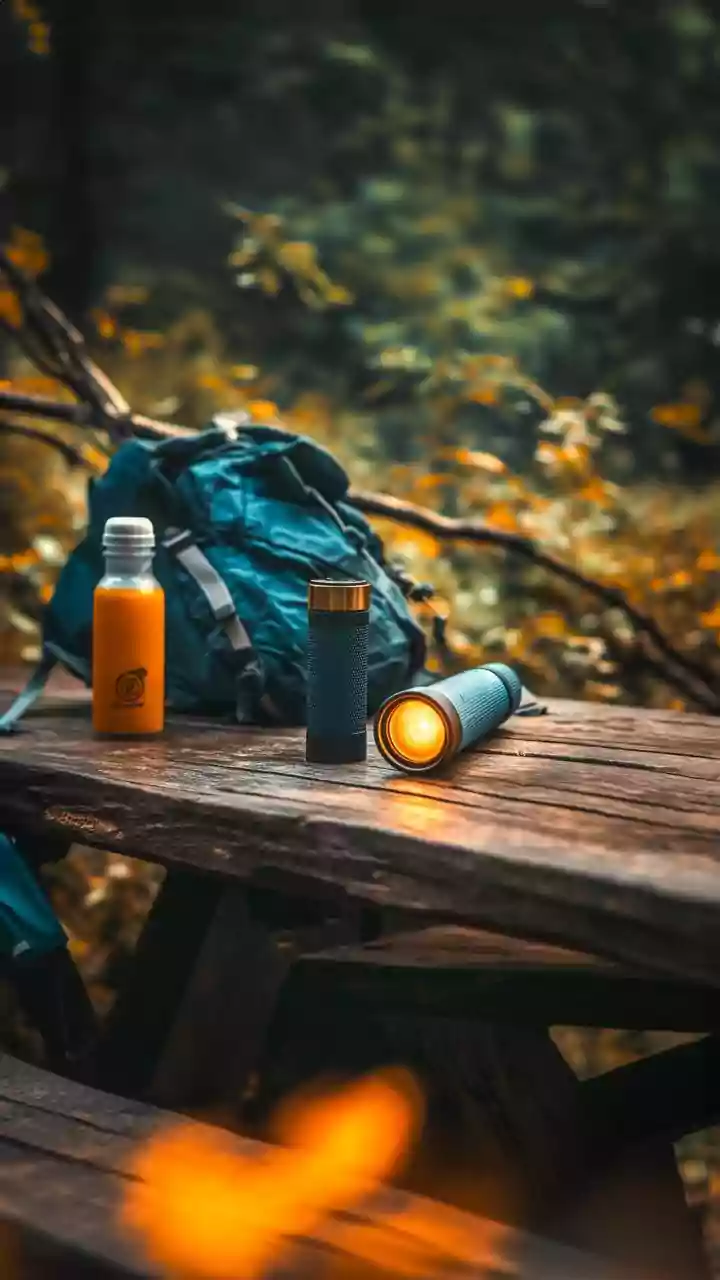
Rainy conditions can lead to poor visibility due to fog and dense clouds. Never assume a trail will be clearly marked. Carry a fully charged headlamp or flashlight, even for a day trek, as you never know when delays might keep you out after dark. Trekking poles are another game-changer, providing extra stability on slippery rocks and muddy descents. They act like a third and fourth leg, significantly reducing strain on your knees. Also, always pack a basic first-aid kit with essentials like antiseptic wipes, bandages, pain relief spray, and any personal medications.
Fueling Your Adventure: Hydration and Snacks
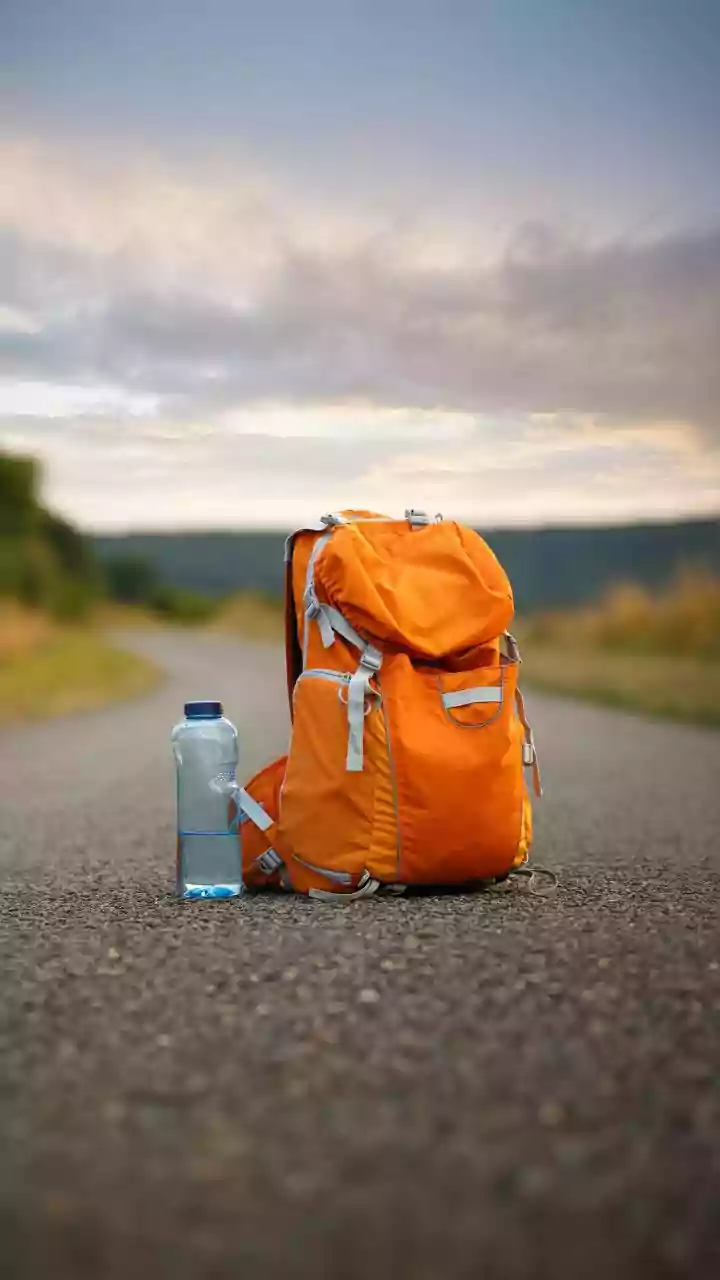
Trekking in cool, rainy weather can be deceptive; you might not feel as thirsty, but your body is still working hard and needs hydration. Carry at least two litres of water. To keep your energy levels up, pack high-energy snacks that are easy to eat on the go. Think trail mix, energy bars, dates, and nuts. Eating enough carbohydrates is particularly important for maintaining body temperature in cold and wet conditions. Pack a little more than you think you'll need, just in case the trek takes longer than expected.
Small Items That Make a Big Difference
A few small additions to your pack can dramatically improve your comfort. A sun cap or baseball cap worn under your raincoat's hood does a fantastic job of keeping rain from dripping onto your face. Waterproof zip-lock bags are invaluable for protecting your phone, wallet, and portable charger. If you're trekking in leech-prone areas, a pair of leech socks can provide peace of mind. Finally, pack a small, quick-dry towel; it will come in handy for countless situations.