





The Initial Investment in Containers
The first reality check for any bulk-buyer is the need for proper storage. Those giant bags of rice, flour, and oats cannot simply live in a corner of your pantry. To protect your investment from pests, moisture, and air, you need quality containers.
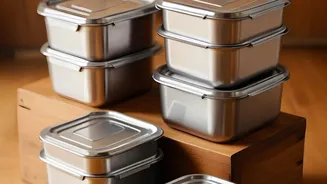
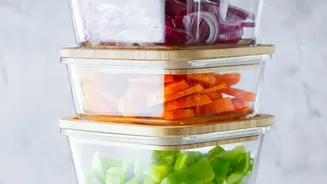
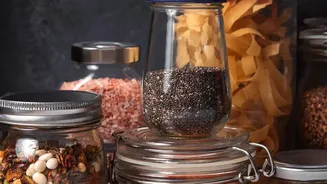
A set of large, airtight containers for dry goods can be a significant upfront cost. While it's tempting to opt for cheaper plastic bins, they may not be food-grade or truly airtight, which can lead to problems down the line. High-quality options made from glass, BPA-free plastic, or stainless steel are more durable and effective but require an initial cash outlay that many shoppers don't factor into their bulk-buying budget. A full set to decant your wholesale haul can easily run into thousands of rupees, immediately cutting into your perceived savings.
When Poor Storage Leads to Food Waste
The primary goal of a good container is to prevent spoilage, but using the wrong type can do the opposite. Improper storage is a leading cause of household food waste. The main culprits that degrade dry foods are oxygen, light, humidity, and heat. Clear jars left in a sunny spot or containers that don't seal properly allow these elements to ruin your food. One study found that 38% of bulk shoppers admit to frequently or occasionally throwing away their bulk purchases. Even if the food doesn't spoil completely, it can suffer from 'invisible waste', where it loses nutrients, texture, and flavour. A five-kilogram bag of almonds is no longer a deal if half of it goes rancid because the container wasn't airtight. The money saved per unit is lost the moment the food becomes inedible.
The Hidden 'Rent' on Your Shelf Space
Beyond the direct cost of containers, there is the indirect cost of space. Your pantry, cupboards, and refrigerator are valuable real estate in your home. Filling them with enormous quantities of a single item means less room for variety and other essentials. This can lead to a cluttered and stressful kitchen environment. Some experts argue that you should never upgrade your living space just to accommodate more bulk purchases, as the cost of more square footage far outweighs the grocery savings. Storing bulk items often requires a dedicated, organized system to prevent things from getting lost in the back of a deep shelf, only to be discovered long after their expiration date. This 'pantry management' takes time and energy, another hidden cost not reflected on the shopping receipt.
The Durability Dilemma: Cheap vs. Quality
In an effort to save money on the containers themselves, many people turn to inexpensive options. However, this can be a false economy. Cheaper plastic containers are prone to staining (especially with spices or tomato-based products), retaining odours, and warping in the dishwasher. Lids can lose their tight seal after just a few uses, rendering them ineffective for long-term storage. This means you'll find yourself replacing them more frequently, adding a recurring expense to your budget. Investing in a durable, high-quality set from the start often proves more cost-effective over time. Good containers should be seen as a long-term kitchen tool, much like a good set of knives or pans. Prioritizing longevity and function over a low initial price is key to making your bulk-buying strategy successful.
A Smarter Strategy for Bulk Buying
The solution isn't to abandon bulk buying altogether, but to approach it with a clear strategy. Before you head to the warehouse club, take an inventory of your pantry and your existing storage containers. Buy only what you have space to store properly. When purchasing containers, opt for airtight, stackable options to maximize space. Glass jars, while heavy, are excellent for visibility and don't retain odours. For long-term storage of items like grains and beans, Mylar bags or food-grade pails can be effective solutions. Finally, only buy items in bulk that your household consumes regularly and in large quantities. A giant bag of quinoa is a waste of money if your family gets tired of it after two meals. Thoughtful planning is what truly unlocks the savings of buying in bulk.