




From Heirlooms to High Street
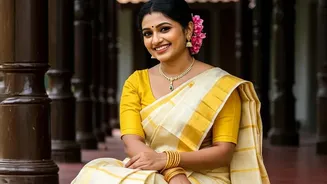
For generations, handloom fabrics were synonymous with weighty, precious occasion-wear—a Banarasi silk for a wedding, a rich Paithani reserved for festivals. These textiles were admired for their artistry but considered too cumbersome or delicate for the daily
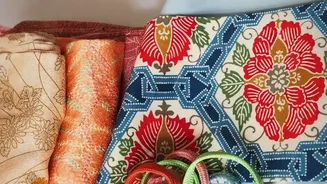
grind. Today, that perception is changing dramatically. The revival is not just about preserving tradition but about making it wearable and relevant. Designers and brands are creating lightweight, breathable, and versatile handloom garments, from airy Chanderi dresses and khadi separates to handwoven denim and ikat co-ord sets perfect for the office or a casual brunch. This shift transforms handloom from a revered heirloom into an accessible, everyday choice.
The New Guard of Craft
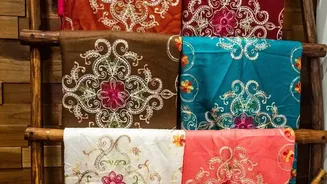
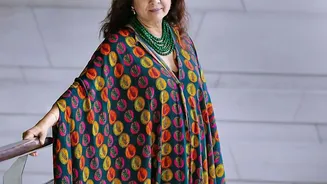
This renaissance is being led by a new generation of Indian designers and textile-first brands who see handloom not as a relic, but as a canvas for innovation. Labels like Ekaya Banaras are making Banarasi weaves relevant for a generation that wants to wear handloom beyond their wedding day, creating playful co-ords and sculptural jackets. Others, like 11.11 / eleven eleven, have spent years re-engineering fabrics like Kala cotton and handwoven denim for modern tailoring. This new guard often works directly with artisan clusters across the country, from Kutch to West Bengal, ensuring that traditional skills are preserved while creating contemporary silhouettes that appeal to a global audience. Technology also plays a key role, with digital platforms and social media enabling weavers to connect directly with customers, fostering transparency and a deeper appreciation for the craft.
A Conscious and Sustainable Choice
The move towards handloom is deeply connected to the global shift towards sustainable and ethical fashion. In an era dominated by fast fashion's environmental toll, handloom offers a thoughtful alternative. The production process is inherently eco-friendly, using minimal electricity and often employing natural dyes derived from plants and minerals. These fabrics have a low carbon footprint and are biodegradable. For a growing number of consumers, particularly millennials and Gen Z, choosing handloom is a statement of values. It represents a vote for slow fashion, fair wages for artisans, and the preservation of India's rich cultural heritage. Brands are further enhancing this by focusing on traceability, allowing customers to follow a garment's journey from the loom to their wardrobe.
More Than Just a Saree
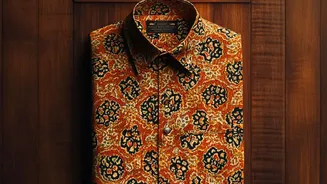
While the saree remains an iconic handloom garment, its modern revival is also about moving beyond it. The versatility of handwoven fabrics is now being showcased in a wide array of clothing. Think sharply tailored jackets in Mizo puan weaves, breezy jamdani dresses, and even streetwear infused with traditional textiles. Brands like NorBlack NorWhite merge Indian artisanal fabrics with global street culture, while others focus on upcycling textile waste into new handloom creations. This expansion into different types of apparel makes handloom more accessible and appealing to a wider demographic who may not wear sarees regularly but still want to incorporate craft into their style.
A National Movement
The revival is also supported by a broader cultural and governmental push. Initiatives like 'Vocal for Local' have encouraged consumers to support indigenous products and artisans. The annual observance of National Handloom Day on August 7th, first declared in 2015 to commemorate the Swadeshi Movement, consistently brings the sector into the national spotlight, celebrating the contributions of India's nearly 35 lakh weavers, over 70% of whom are women. With India producing around 95% of the world's handwoven products, this focus helps strengthen a vital part of the rural economy and national identity.