




A New Space Race, Driven by Startups
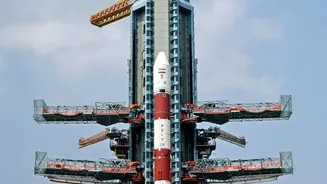
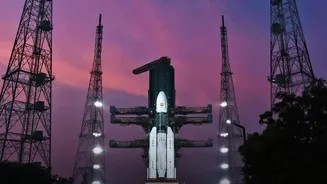
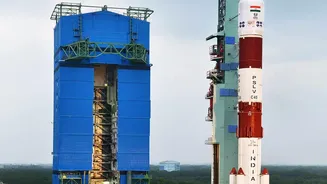
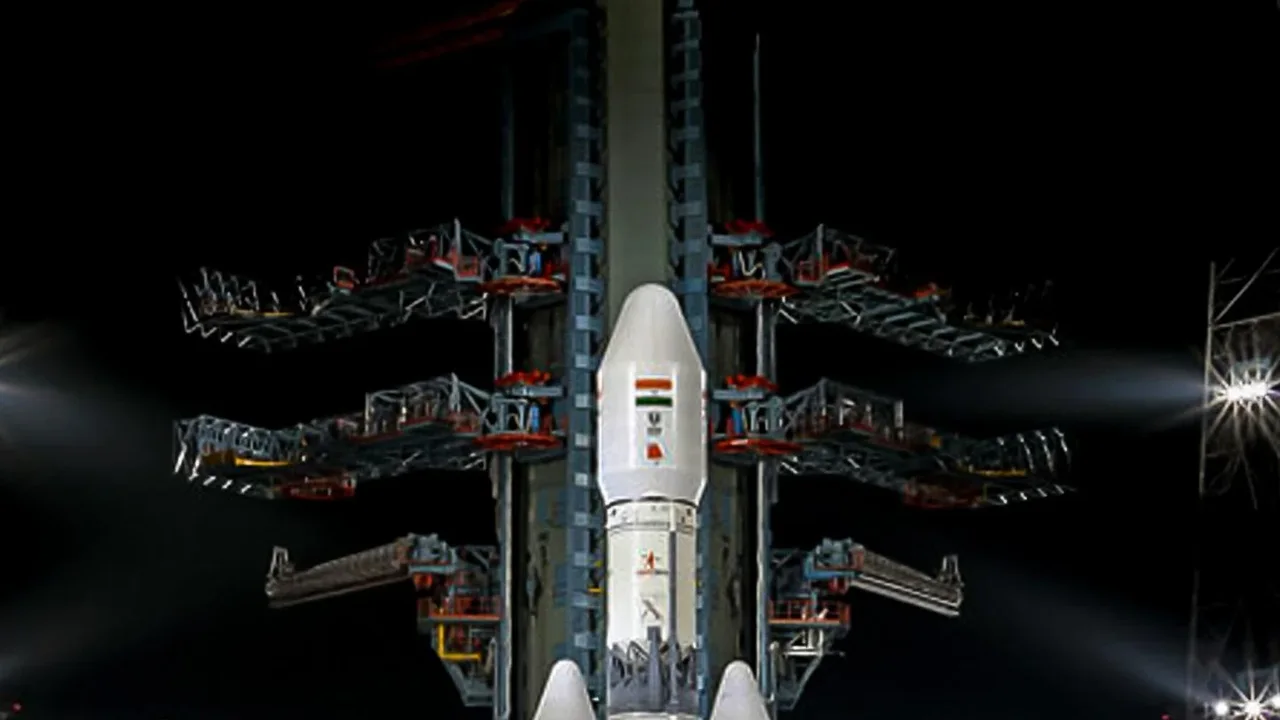
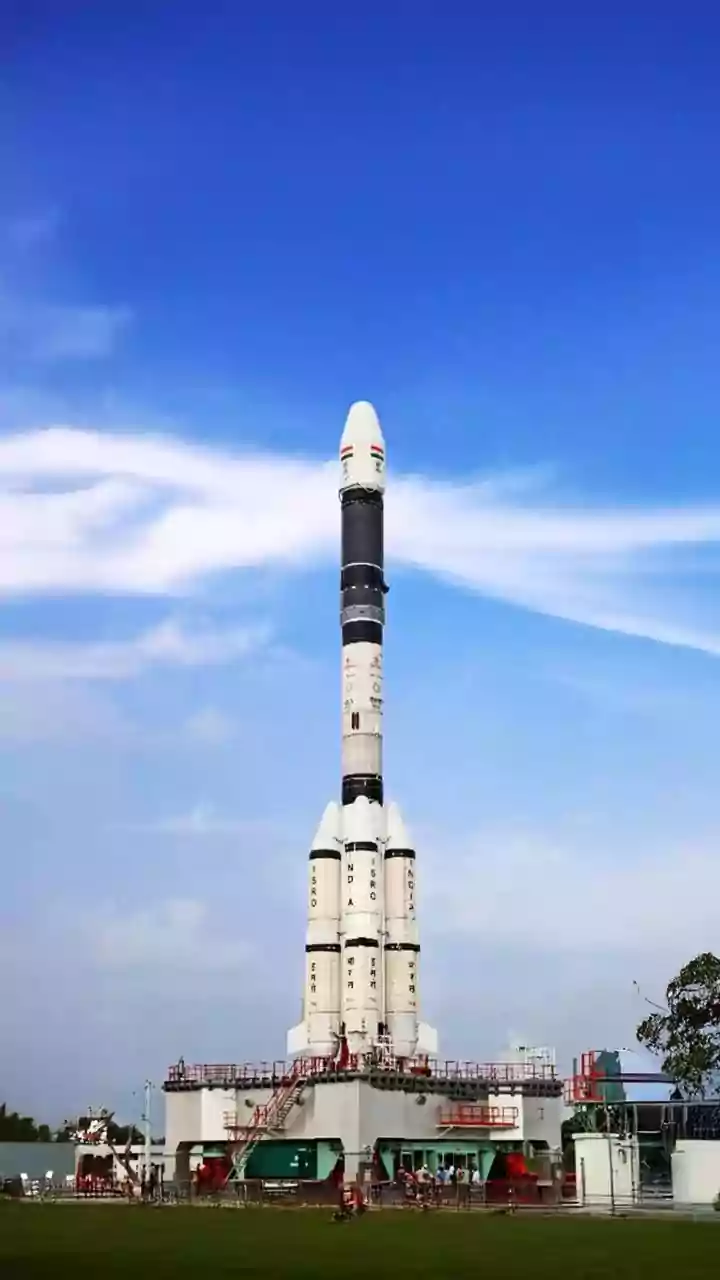
The Indian space narrative is no longer solely authored by the Indian Space Research Organisation (ISRO). Following landmark policy reforms in 2020 and the introduction of the Indian Space Policy in 2023, the sector has been thrown open to private enterprise.
This has catalysed a dramatic shift. India's space economy, valued at around $8.4 billion, is projected to surge to $44 billion by 2033. The engine of this growth is a vibrant startup ecosystem, which has expanded from a single company in 2014 to over 400 by 2026. These companies are not just building components; they are developing everything from launch vehicles and satellite constellations to sophisticated data analytics platforms.
Meet the New Industry Leaders
A handful of private companies have emerged as frontrunners, proving that building for space is no longer a government monopoly. Hyderabad-based Skyroot Aerospace, founded by former ISRO engineers, became the first Indian private company to launch a rocket. Chennai's Agnikul Cosmos has successfully tested the world's first rocket with a fully 3D-printed engine. Meanwhile, Bengaluru's Pixxel is deploying a constellation of hyperspectral imaging satellites that provide valuable data for sectors like agriculture and climate monitoring. Other key players include Dhruva Space, which builds satellite platforms, and Bellatrix Aerospace, which specializes in spacecraft propulsion systems. These companies are well-funded, have active contracts, and are hiring aggressively to execute their ambitious plans.
The Jobs Beyond Rocket Science
The popular image of a space career—an astronaut or a rocket scientist—captures only a tiny fraction of the actual jobs available. The real opportunities are far more diverse. The modern space economy requires a vast range of talent. While aerospace and mechanical engineers are fundamental, the fastest-growing demand is for software developers, AI/ML engineers, and data scientists. These professionals build the flight software, navigation algorithms, and data processing pipelines that are critical to every mission. Earth observation companies like SatSure need geospatial analysts to turn satellite imagery into actionable insights for insurance, urban planning, and disaster management. As companies scale, they also need product managers, legal experts specializing in space law, and business development professionals.
Skills in High Demand
To land a job in this dynamic sector, specific skills are highly sought after. A strong foundation in engineering—particularly aerospace, mechanical, electronics, or computer science—remains the most common entry point. However, companies are increasingly looking for cross-disciplinary expertise. Proficiency in programming languages like C++ and Python, experience with embedded systems, and a deep understanding of AI and machine learning are becoming essential. For data-focused roles, skills in Geographic Information Systems (GIS) and remote sensing are crucial. Beyond technical skills, private firms value systems thinking—the ability to understand how complex subsystems interact—and a hands-on approach. Unlike the structured environment of a large government agency, startups offer engineers the chance to take on significant responsibility from day one.
The Government as an Enabler
This private-sector boom isn't happening in a vacuum. It is being actively nurtured by government policy and institutional support. The establishment of the Indian National Space Promotion and Authorisation Centre (IN-SPACe) in 2020 was a game-changer. IN-SPACe functions as a single-window agency to regulate, promote, and authorize the activities of non-governmental entities in the space sector. It facilitates access to ISRO's world-class infrastructure and technologies, helping to democratize the industry. Furthermore, the government has liberalized Foreign Direct Investment (FDI) rules and established dedicated venture funds to improve access to capital for these emerging companies, signalling a clear intent to build a globally competitive commercial space ecosystem.