




The Magic Number for Your Freezer
The single most important factor for both food safety and quality is temperature. Your freezer should be set to 0°F (-18°C). At this temperature, the growth of harmful microorganisms like bacteria, yeasts, and molds is stopped. While freezing doesn't
kill these microbes, it puts them in a state of suspended animation, ensuring the food remains safe to eat almost indefinitely. It's wise to use a separate appliance thermometer to verify the temperature, as built-in dials can sometimes be inaccurate. Maintaining this constant, low temperature is the first and most critical step in proper freezer management.
It's All in the Packaging
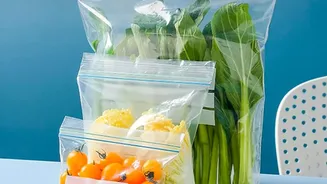
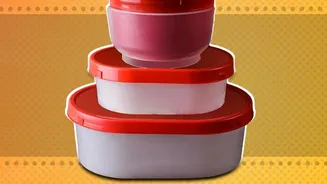
Air is the enemy of frozen food quality. Improper packaging exposes food to air, leading to moisture loss and a decline in flavor and texture. To protect your food, use materials specifically designed for freezing, such as heavy-duty freezer bags, plastic wrap, freezer paper, or airtight containers. When using bags, squeeze out as much air as possible before sealing. For the best protection against air exposure, a vacuum sealer is an excellent investment, as it removes almost all air, significantly extending the quality lifespan of frozen foods. Avoid reusing cartons from items like ice cream or cottage cheese, as they are not designed to be moisture-vapor resistant for long-term storage.
Understanding Freezer Burn
Many people mistake the discolored, icy patches known as freezer burn for spoilage. However, freezer burn is a quality issue, not a safety one. It occurs when food dehydrates due to air exposure—a process called sublimation, where ice crystals on the food's surface turn directly into water vapor. While food with freezer burn is safe to eat, it will likely be tough, dry, and tasteless. You can often salvage the item by trimming away the affected areas before or after cooking. The best strategy, however, is prevention through proper, airtight packaging.
The First In, First Out Rule
An organized freezer is a more efficient and safer freezer. Employ the 'First In, First Out' (FIFO) principle to ensure you're using older items before they suffer a decline in quality. Always label every item you put in the freezer with its contents and the date it was frozen. This simple habit prevents mystery meals and helps you keep track of how long something has been stored. To make this easier, group similar items together and consider using clear, stackable bins to create zones for meats, vegetables, and prepared meals. Place newer items at the back or bottom, and rotate older items to the front or top so they are used first.
Cool Down Before You Stock Up
Never place large quantities of hot food directly into your freezer. Doing so can raise the ambient temperature inside the unit, creating a significant safety risk. This temperature fluctuation can partially thaw other frozen items, moving them into the 'danger zone' (between 40°F and 140°F) where bacteria can become active and multiply. It also forces your freezer's compressor to work overtime, wasting energy. The proper procedure is to let hot food cool on the counter before transferring it to the refrigerator to cool completely. Once chilled, it's safe to move to the freezer.
Don't Overcrowd Your Space
While a well-stocked freezer is more energy-efficient than an empty one, it's important not to overfill it. Proper airflow is necessary for the freezer to maintain a consistent temperature throughout. If the freezer is packed too tightly, it can block air vents and create warm spots where food isn't properly frozen. A good rule of thumb is to keep your freezer about 75-80% full. This allows cold air to circulate effectively while the frozen mass helps maintain the overall temperature, especially during brief power outages.