







A Shift in the Traveller's Mindset
Travel is no longer just about ticking landmarks off a list. A growing number of explorers, both domestic and international, are prioritising authenticity and connection. They want to understand the story of a place, not just see its sights. This shift
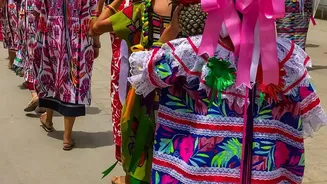
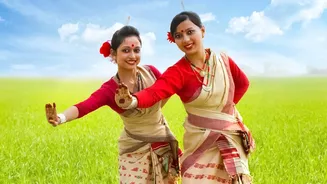
has elevated the role of cultural festivals, transforming them from simple annual events into powerful platforms for immersive tourism. These gatherings offer a concentrated dose of a region’s identity, allowing visitors to engage directly with the traditions that define a community. More than just entertainment, these events are becoming crucial for sustainable tourism, driving economic benefits directly to local artisans and communities while helping to preserve priceless cultural heritage. It’s a win-win: travellers get a memorable, meaningful experience, and local cultures get a vital platform for preservation and economic support.
A Canvas of Craft in the White Desert
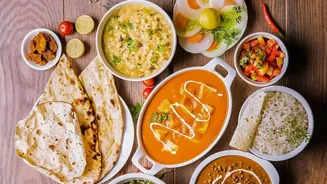
Nowhere is this trend more visible than at Gujarat’s Rann Utsav. Set against the breathtaking backdrop of the Great Rann of Kutch’s white salt desert, this festival is a spectacular celebration of Kutchi culture. While the shimmering landscape is the main draw, it’s the vibrant craft bazaar that offers a deeper connection. Inside the sprawling Tent City, hundreds of stalls are run by the artisans themselves, giving visitors a chance to buy directly from the source. Here, you can find exquisite Ajrakh block prints, colourful Bandhani tie-dye fabrics, and intricate mirror-work embroidery—crafts that have been practised in the region for generations. Many festival packages also include visits to nearby craft villages like Hodka and Nirona, where you can see rare art forms like Rogan painting and copper bell making up close. The experience is rounded out with nightly folk music performances and stalls serving authentic Kutchi cuisine, making it an immersion of all senses.
Where Music Meets Tradition in the Hills
In India's Northeast, festivals are a vibrant expression of identity, and two stand out for blending modern appeal with deep-rooted tradition. The Hornbill Festival in Nagaland, known as the 'Festival of Festivals', was specifically created to preserve and promote the state's diverse tribal heritage. Held at the Naga Heritage Village in Kisama, it brings together all of Nagaland's major tribes, each showcasing their unique songs, dances, and customs. Visitors can wander through traditional houses called 'morungs', interact with community members, buy intricate handlooms and handicrafts, and sample a stunning array of Naga food, from smoked pork to bamboo shoot delicacies. Similarly, the Ziro Festival of Music in Arunachal Pradesh is much more than an indie music event. Hosted by the indigenous Apatani community, the festival is a masterclass in eco-friendly and culturally integrated tourism. The stages are built from local bamboo, and the food stalls are a highlight, offering travellers a taste of authentic Apatani dishes and the famous local rice beer, Apong.
A Living Showcase of Heritage
This movement is happening across the country, with festivals large and small creating direct conduits to local culture. During the recent Ladakh Festival, for example, a vibrant exhibition provided a platform for artisans from across the region to showcase their skills. Visitors could watch live demonstrations of thangka painting, wood carving, and traditional weaving, all while sampling local products like apricot jam. At Rajasthan's famous Pushkar Camel Fair, the livestock trading happens alongside a bustling scene of artisan stalls and folk performances. Even religious celebrations like Durga Puja in Kolkata are a feast for the senses, with the focus on artistry in the pandals and the abundance of traditional Bengali food turning the entire city into a cultural destination. These events prove that travellers are not just passive observers; they are active participants, eager to learn, taste, and connect with the living traditions that make a region unique.