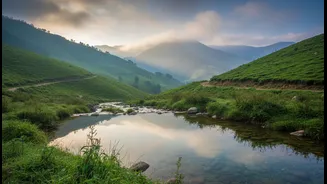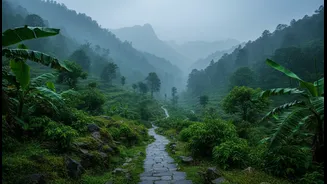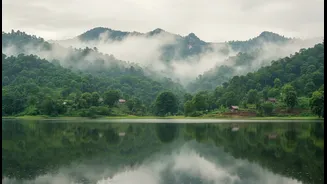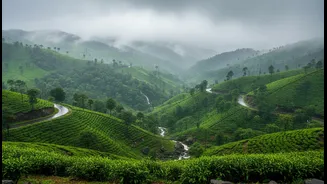






The New Monsoon Rhythm: Slow and Steady
The monsoon has always held a special charm in the mountains, but it was traditionally a brief affair for tourists—a quick drive to escape the city heat, enjoy the rain-washed landscapes, and head back. Now, a different pattern is emerging. Instead of
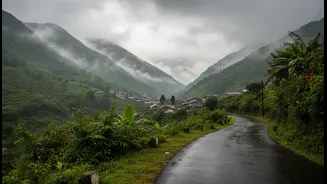
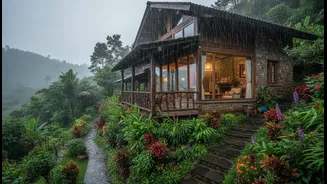
a three-day rush, travellers are booking homestays, cottages, and serviced apartments for weeks on end. Recent data from travel operators shows a significant increase in the duration of stays in popular destinations like Shimla, Mussoorie, and Manali. What was once an off-peak season is transforming, with visitors choosing to immerse themselves in the quiet, green, and misty ambiance of a prolonged monsoon retreat.
The 'Workation' Revolution Takes Root
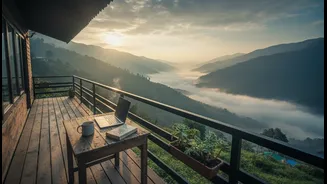
The single biggest driver of this trend is the continued flexibility of remote and hybrid work. Professionals in tech, creative fields, and consulting are swapping their home offices for a balcony with a mountain view. With reliable Wi-Fi and power backups becoming standard in many hill accommodations, the 'workation' is no longer a novelty but a viable lifestyle choice. According to a FICCI and Thrillophilia survey, a third of travellers now prefer working from natural settings. This allows them to maintain productivity during the day while using evenings and weekends to explore misty trails, visit local cafes, or simply unwind to the sound of rain—a far cry from the daily city commute.
Beyond the Laptop: A Search for Wellness
While good internet is a prerequisite, the motivations run deeper than just a change of scenery for Zoom calls. Many are consciously escaping the pollution, noise, and burnout of urban centres. The cool, clean air and slower pace of life in the hills offer a much-needed mental and physical reset. The monsoon, with its lush greenery and dramatic skies, provides a therapeutic backdrop. Destinations like Rishikesh, known for wellness and spirituality, have seen a massive surge in interest. This reflects a broader shift where travel is less about ticking off sights and more about personal well-being, relaxation, and reconnecting with nature.
Hotspots for the Long Haul
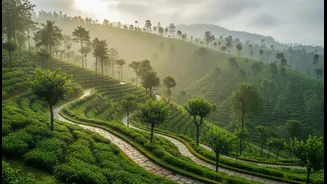
While classic destinations like Shimla, Mussoorie, and Darjeeling remain popular, the trend is also shining a light on other areas. In Himachal Pradesh, the area around Manali and quieter spots like Naggar are becoming hubs for digital nomads, offering a blend of work-friendly cafes and accessible nature. Uttarakhand's Rishikesh and Nainital are attracting those who mix work with wellness. In the south, hill stations like Munnar, Ooty, and Kodaikanal are seeing increased interest for their tranquil, rain-drenched tea and coffee plantations. Even lesser-known destinations are gaining traction as travellers seek experiences away from the crowded tourist circuits.
A Welcome Boom with a Word of Caution
This influx of long-stay travellers is a significant boon for local economies. Homestay owners, small cafes, and local shops are benefiting from a more consistent, year-round income, smoothing out the sharp peaks and troughs of seasonal tourism. However, this shift is not without its challenges. The increased demand puts pressure on local resources, including water, waste management, and housing. In some popular areas, there are growing concerns about the strain on fragile ecosystems and the rising cost of living for permanent residents. As the trend continues, sustainable development and responsible tourism will be crucial to ensure these mountain havens retain their charm for both residents and visitors.