

The Classic: Opposite a Window
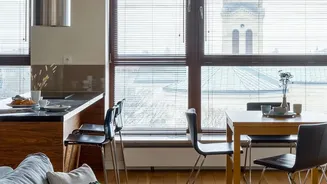
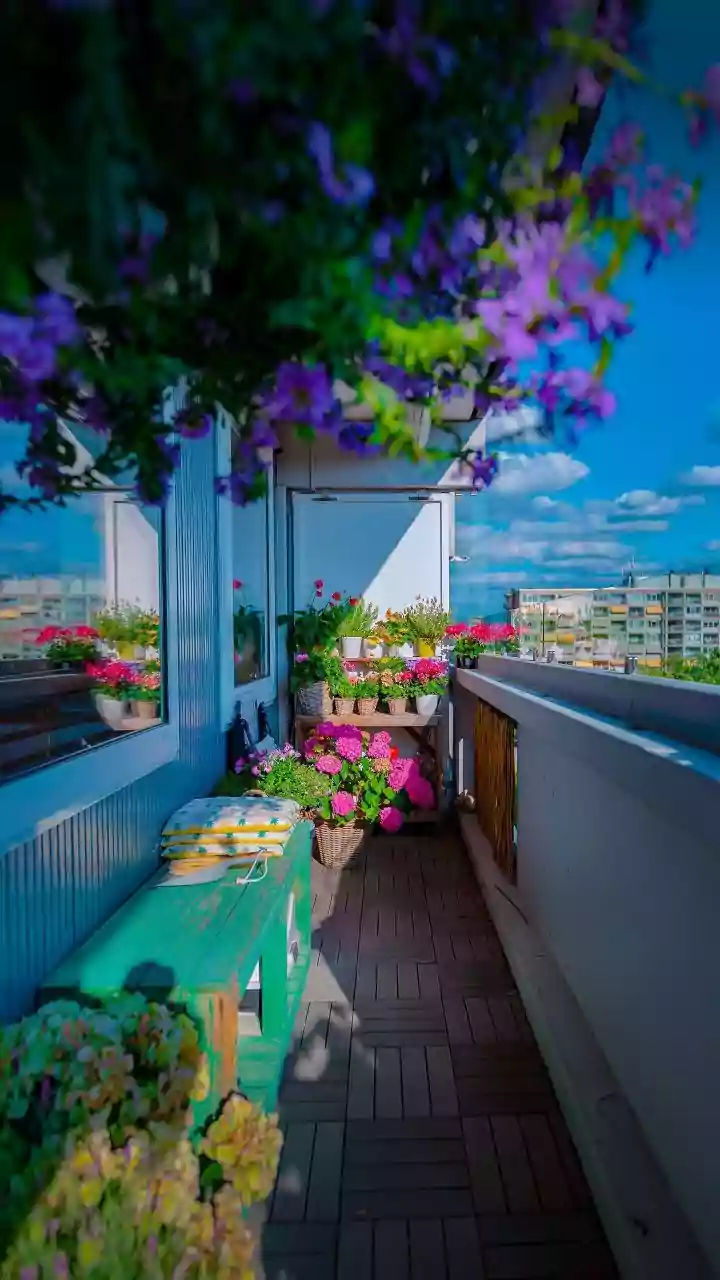
This is the oldest trick in the design book for a reason: it works. Placing a large mirror directly opposite a window is the most effective way to amplify natural light. The mirror captures the sunlight and the view, essentially creating a second window that
bounces brightness into the room's darkest corners. This simple move not only makes the room feel airier and more open but also connects your indoor space with the outdoors, making it feel less confined.
Go Big or Go Home: The Oversized Leaner
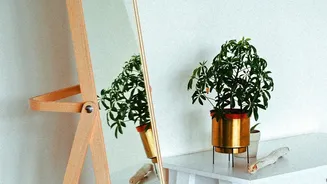
When it comes to mirrors in small spaces, bigger is almost always better. An oversized, full-length mirror leaned against a wall is a renter’s best friend. It requires no drilling, avoiding any issues with your lease agreement. More importantly, a large mirror makes a significant impact, reflecting a large portion of the room and visually doubling the space. By drawing the eye upward, a tall mirror also creates the illusion of higher ceilings, making the entire room feel more expansive.
Amplify Ambiance: Behind a Light Source
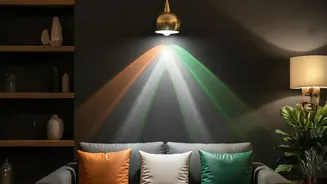
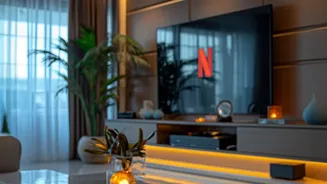
Natural light is a priority, but don't underestimate the power of artificial light. Placing a mirror behind a lamp, a floor light, or on a console table with candles does more than just look stylish. It reflects the light source, doubling its illuminating power and casting a warm, ambient glow across the room. This technique is perfect for evenings, creating a cozy and inviting atmosphere while still contributing to the feeling of a brighter, more open space.
Widen Narrow Spaces: The Hallway Hero
Narrow hallways and entryways are common in rental apartments and can often feel dark and cramped. A strategically placed mirror is the perfect solution. Hanging a long runner mirror horizontally or a full-length mirror at the end of a corridor tricks the eye into seeing more width and length. It makes the passage feel less like a tunnel and more like an intentional part of your home. A mirror in the entryway also serves a functional purpose as a last-check spot before you leave.
Create a Feature: The Mirror Gallery Wall
If one large mirror feels too monolithic for your style, consider creating a gallery wall with a collection of smaller mirrors. Grouping several mirrors of different shapes and sizes can act as a piece of art while still performing the essential functions of reflecting light and creating depth. This approach adds texture and personality to a blank wall, breaking up the surface and scattering light in multiple directions for a dynamic, shimmering effect.
Functional Reflections: Mirrored Furniture
For a more subtle approach, integrate reflective surfaces through furniture. A mirrored coffee table, side table, or even cabinet doors can create the illusion of space without adding another item to your walls. These pieces tend to blend into the background, reflecting the floor and surrounding area, which makes them feel less bulky. This 'disappearing' act adds a touch of glamour while maintaining an open, uncluttered feel in the room.