

Is Your Pet Secretly Bored?
A safe home doesn't always mean a stimulating one. While you are away at work or busy with household chores, your pet is often left to its own devices. Without the challenges and new experiences of the outdoors, cats and dogs can suffer from a lack of mental
and physical stimulation. This can lead to a state of boredom, which is more than just a passing mood. Chronic boredom can manifest as stress, anxiety, and a range of behavioural issues that owners might misinterpret. Sometimes, what looks like bad behaviour—such as scratching furniture, excessive barking, or knocking things over—is simply a cry for engagement.
Telltale Signs of Under-Stimulation
So how can you tell if your furry friend is feeling the effects of monotony? While some signs are obvious, others are subtle. Look out for destructive behaviours like chewing furniture or digging at carpets. Repetitive actions, such as obsessive licking, pacing, or tail chasing, can also be a red flag. Some pets become more vocal, barking or meowing excessively to get attention, while others might become withdrawn and sleep more than usual. You might even notice them picking fights with other pets in the house or suddenly having 'accidents' despite being well-trained. Recognising these signs is the first step toward creating a more fulfilling environment for them.
The Simple Power of Interactive Play
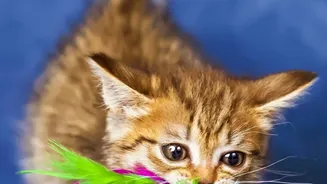
One of the most direct ways to fight pet boredom is through dedicated, interactive play. This is about more than just tossing a ball; it's about engaging with your pet. For dogs, a classic game of tug-of-war or fetch in the hallway can release pent-up energy. For cats, wand toys that mimic the movement of prey can trigger their natural hunting instincts. Setting aside just 15-20 minutes of focused playtime each day can make a world of difference. It serves as both physical exercise and mental stimulation, strengthening your bond and leaving your pet more relaxed and content.
Turn Mealtime into a Mind Game with Foraging
In the wild, animals spend a significant portion of their day searching for food. You can replicate this natural behaviour, known as foraging, at home to keep your pet's mind sharp. Instead of simply placing their food in a bowl, make them work for it. Puzzle feeders and treat-dispensing toys are excellent tools that require pets to nudge, roll, or paw at them to release kibble. These activities not only slow down fast eaters but also provide crucial mental exercise. Studies have shown that pets often prefer to work for their food, and foraging can decrease problem behaviours stemming from boredom.
Easy DIY Enrichment at Home
You don't need to spend a lot of money to enrich your pet's environment. Simple household items can be transformed into engaging toys. For dogs, try hiding treats in a muffin tin and covering the cups with tennis balls, forcing them to figure out how to get the reward. You can also roll up treats in an old towel to create a 'snuffle mat' that encourages them to use their nose. For cats, empty cardboard boxes can become a fun maze, and hiding treats inside empty toilet paper rolls can create a simple puzzle. Rotating these DIY toys keeps them novel and interesting.
Make Their World Bigger Through Exploration
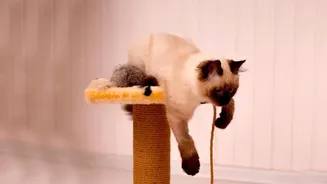
Encouraging exploration helps make a familiar space feel new again. For cats, think vertically. Cat trees or even just a clear space on a sturdy bookshelf give them a new perspective to survey their territory. A window perch with a view of a bird feeder can provide hours of 'cat TV'. For both cats and dogs, regularly hiding their favourite toys or a few treats around the house encourages them to use their senses to explore. This simple act of creating a 'treasure hunt' turns your home into an exciting landscape full of potential discoveries, fighting off the monotony of indoor life.