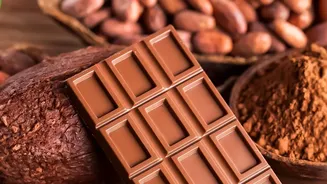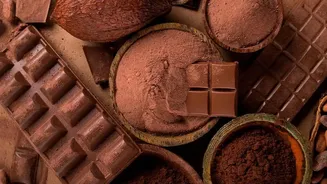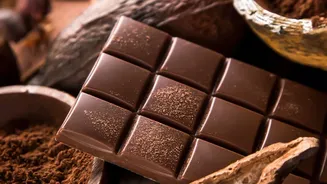





From Industrial Sweet to Artisanal Craft
For decades, chocolate in India was synonymous with sweet, milky, mass-market bars produced by large multinational corporations. The origin of the cocoa beans was an afterthought, if it was a thought at all. Now, a growing bean-to-bar movement, with its
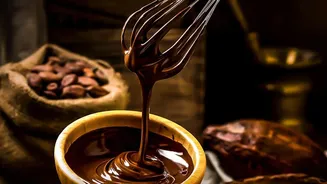
heart in the cacao-growing regions of the south, is changing the narrative. These craft chocolatiers are involved in every step of the process, from working directly with farmers to carefully roasting, grinding, and tempering small batches to perfection. This meticulous control allows them to create a product that is not just confectionery, but a complex culinary experience that tells a story of its origin.
The Southern Terroir: A New Flavour Frontier
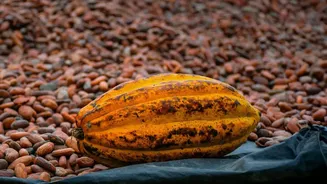
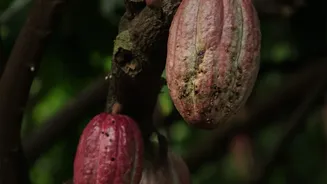
Cacao has been cultivated in South India since the 1960s, primarily in the states of Kerala, Karnataka, Andhra Pradesh, and Tamil Nadu. Initially driven by large companies, the focus was on yield, not flavour. However, craft pioneers are now discovering the immense potential of this terroir. Often intercropped with coconut, banana, and spices, Indian cacao beans can develop uniquely complex flavour profiles—from fruity and nutty to spicy and floral. Artisans are working closely with farmers to improve post-harvest practices like fermentation, which is crucial for developing the nuanced notes that define fine, single-origin chocolate.
The Pioneers of Indian Craft Chocolate
Several brands have been instrumental in this movement. Mason & Co, based in Auroville, is considered one of India's first bean-to-bar chocolate makers, known for its organic and vegan bars made by an all-women team. Soklet, from Tamil Nadu, takes the concept a step further as a 'tree-to-bar' maker, growing cacao on its own plantations. In Kerala, Paul and Mike focuses on fine-flavour beans, infusing their chocolates with unique local ingredients. Meanwhile, Hyderabad-based Manam Chocolate works across the entire value chain, from its own cacao fermentery in Andhra Pradesh to creating a vast range of products that showcase Indian cacao on a global stage. These makers are united by a commitment to quality, sustainability, and transparency.
More Than Just a Bar
The impact of this movement extends far beyond the chocolate bar itself. It is creating a new dessert trend where the chocolate is the star. Consumers are learning to appreciate chocolate like wine or specialty coffee, paying attention to cacao percentages and origin notes. This growing sophistication is fuelling demand for premium products, from decadent hot chocolates to intricate bonbons and pastries where the specific flavour profile of the single-origin chocolate is the main attraction. Brands are tapping into the premium gifting market, and experiential stores are educating consumers about the journey from a cacao pod in West Godavari to a luxurious dessert in Delhi.
Tasting the Terroir
What makes a single-origin chocolate from the Idukki district in Kerala different from one made with beans from the Godavari region in Andhra Pradesh? It comes down to terroir. A bar from Kerala might have fruity or spicy notes, influenced by the surrounding spice plantations. A bar from Andhra Pradesh or Karnataka could taste more nutty or earthy. This is the magic of the bean-to-bar philosophy: it preserves the unique identity of the cacao. Unlike industrial chocolate, where beans from different origins are blended to create a uniform taste, craft chocolate celebrates these subtle, delicious differences, offering a new adventure with every bar.