

Make Smart Grain and Flour Swaps
One of the easiest methods to increase fibre is by changing the type of grains you use. Traditional Indian cooking is already built on a foundation of grains, making this swap relatively seamless. Instead of using only refined white rice, try mixing in or
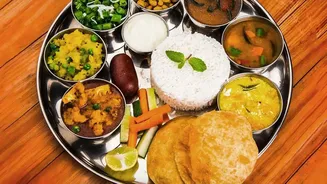
completely switching to brown rice. If the texture difference is a concern, start with a small ratio, like one part brown rice to three parts white, and gradually increase it. Another powerful switch is in your daily roti. While standard whole wheat atta is a good source of fibre, you can enhance it further. Try mixing in flours made from millets like jowar (sorghum), bajra (pearl millet), or ragi (finger millet). These flours not only add a significant fibre punch but also introduce a subtle, nutty flavour that can complement many sabzis and dals. Start by substituting a quarter of your regular atta with a millet flour and see how your family likes it. Even dals and legumes like moong dal can be used to make fibre-rich dosas and chillas.
Incorporate 'Invisible' Vegetables
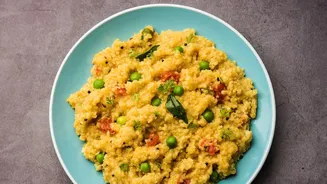
Vegetables are a fantastic source of fibre, but getting enough of them into a meal can sometimes be a challenge, especially with picky eaters. The trick is to make them 'disappear'. Grating vegetables like lauki (bottle gourd), carrots, or zucchini and adding them to your regular dal or gravy-based sabzis is an excellent strategy. These vegetables cook down and blend into the texture of the dish, thickening the gravy and adding fibre and nutrients without altering the core flavour profile. For dishes like keema or bhurji, finely chopped mushrooms can add a meaty texture and fibre boost. When making parathas, you can bulk up the filling by adding grated cabbage, carrots, or beetroot to the usual potato or paneer mixture. Similarly, spinach or methi leaves can be finely chopped and added to dal, khichdi, or even your roti dough for added benefits.
Leverage Pulses, Seeds, and Nuts
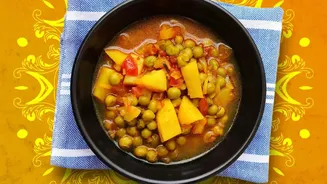
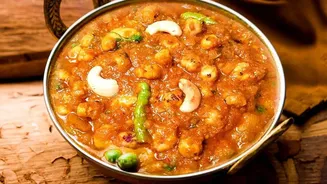
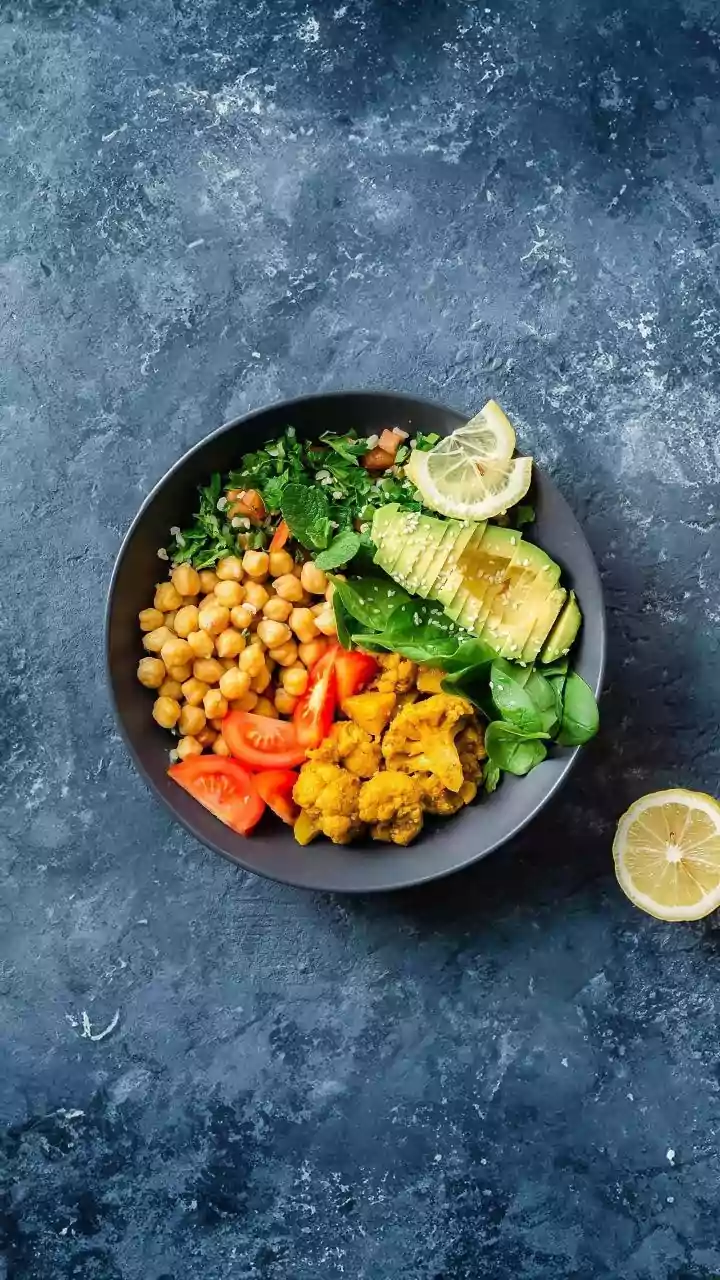
Pulses like chana, rajma, and various dals are already fibre heroes in Indian cuisine. You can amplify their benefits by using them more creatively. Beyond the main curry, try adding a handful of boiled chickpeas or kidney beans to your pulao or biryani. Sprouted legumes can be added to salads or even lightly sautéed as a side dish. Seeds are tiny powerhouses of fibre. A tablespoon of ground flaxseed (alsi) or chia seeds can be stirred into raita, smoothies, or even your morning oatmeal with virtually no change in taste. They can also be mixed into atta for rotis or the batter for chillas. Nut pastes are a traditional method for thickening gravies in dishes like kormas. A paste made from a small number of cashews or almonds not only adds creaminess and richness, avoiding the need for heavy creams, but also contributes healthy fats and fibre.
Rethink Thickeners and Toppings
Many Indian recipes call for thickening agents for gravies. Instead of relying on cornflour, consider healthier, fibre-rich alternatives. Roasted gram flour (besan) is a classic thickener that imparts a nutty aroma and adds substance to dishes. You can also blend a portion of the cooked vegetables or dal from your curry and add it back into the pot. For example, blending a small amount of the cooked onions and tomatoes from the base of a curry can create a naturally thick and flavourful sauce. Even a grated potato can dissolve into a curry, releasing starch that helps to thicken it without affecting the taste. Instead of fried toppings, consider garnishing your dishes with fresh, fibrous ingredients. A sprinkle of fresh coriander, mint, or even finely chopped onions and tomatoes can add a fresh crunch and a little extra fibre to your meal.