


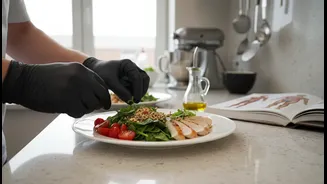


The Healthy Salad Paradox
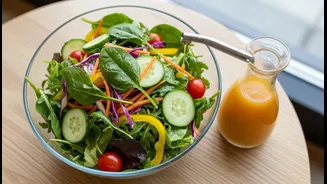
The decision to get a salad is often driven by a desire for a fresh, nutritious meal. Yet, the dressing that brings it all together can be a blind spot. Many cafes and restaurants use dressings made with refined seed oils like soybean, canola, sunflower,
corn, or generic 'vegetable oil'. These oils are popular in commercial kitchens for simple economic reasons: they are inexpensive, have a neutral flavor, and possess a long shelf life. While the health impacts of seed oils are a subject of ongoing debate among experts, a growing number of health-conscious individuals are choosing to limit their intake, citing concerns about processing methods and fatty acid balance. The challenge is that these oils are rarely listed on the menu, leaving diners to investigate for themselves.
Know Your Oils: What to Look For
Before you can avoid them, you need to know what you're looking for. Common seed oils used in dressings include canola, soybean, sunflower, safflower, grapeseed, and corn oil. They are often found in creamy dressings like ranch or caesar, as well as many house vinaigrettes. The alternatives you are likely seeking are dressings made with oils like extra virgin olive oil or avocado oil. These are often favoured for being less processed and for their own health profiles. Recognising these two categories is the first step in decoding a menu and asking the right questions.
Mastering the Art of Asking
Asking about ingredients doesn't have to be awkward. The key is to be polite, specific, and clear. Instead of a vague question, try a direct one. Calling ahead during non-peak hours (like between 2 and 4 p.m.) is a great strategy to speak with a manager or chef who has time to answer your questions thoroughly. When ordering, you can say something like, "I have a sensitivity to certain oils. Could you please tell me what oil is used in your house vinaigrette?" This frames your query as a need rather than just a preference, often resulting in a more detailed answer. If the server is unsure, don't hesitate to ask if they can check with the kitchen. A confident, direct answer is a good sign; hesitation might mean it's best to choose a simpler option.
Decoding Menu Language and Making a Plan
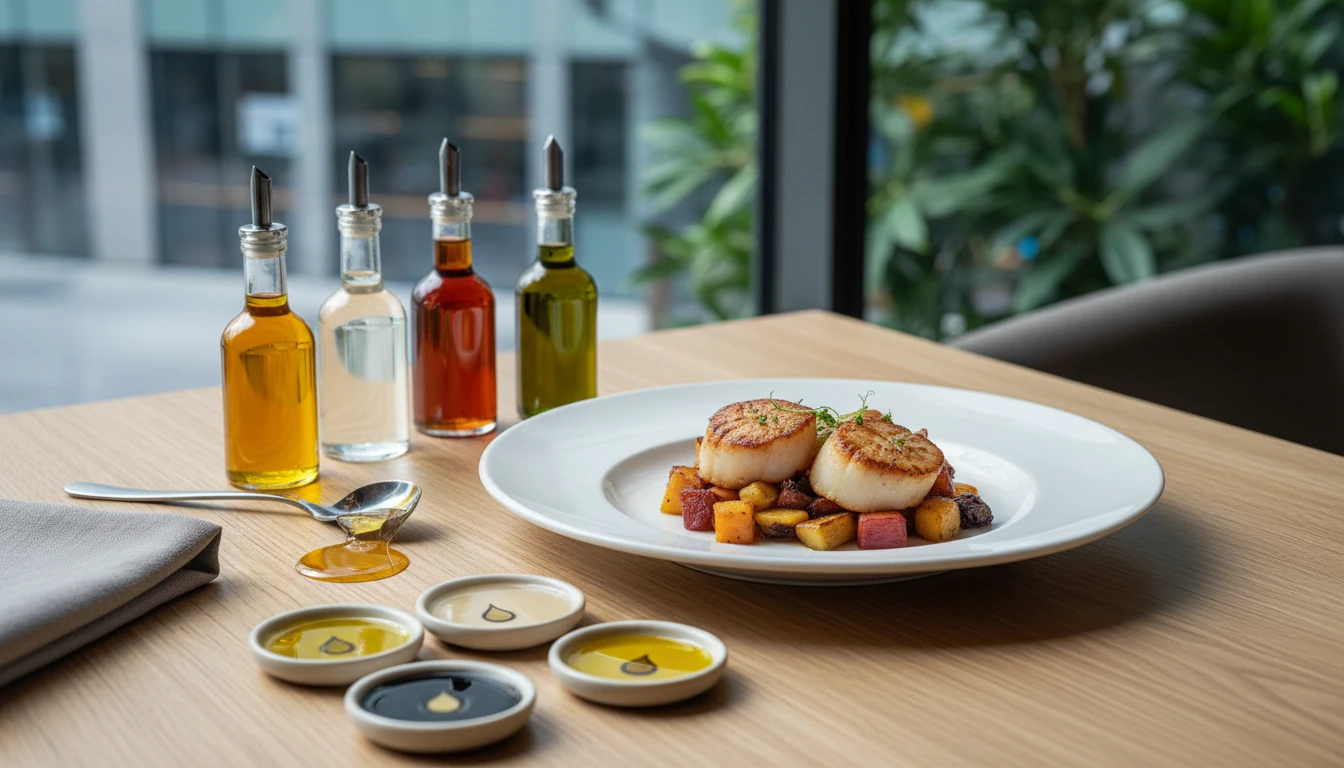
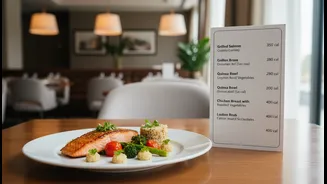
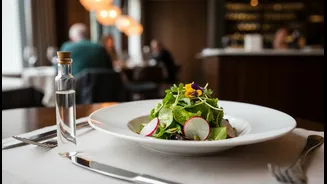
Menus often contain clues. The words "creamy," "house dressing," or brand names for dressings often signal the presence of bottled, seed-oil-based products. Conversely, a menu that specifically describes a dressing as "extra virgin olive oil vinaigrette" is a positive sign. If you're unsure, have a simple backup plan. The easiest request is for a side of extra virgin olive oil and a lemon wedge or a splash of vinegar. This deconstructed dressing puts you in complete control of the ingredients. It’s a simple, foolproof way to ensure your salad stays aligned with your dietary goals without causing a fuss.
The Ultimate Solution: Be Prepared
For those who are truly committed to avoiding seed oils and eat out frequently, the most effective strategy is to come prepared. Carrying a small, leak-proof container of your own homemade or trusted store-bought dressing is becoming more common. Brands like Primal Kitchen and others now offer dressings made exclusively with avocado or olive oil, catering to this growing market. This might feel strange at first, but it completely removes any guesswork or reliance on the restaurant's kitchen. It’s the ultimate power move for taking control of your food choices, ensuring your healthy salad lunch is exactly that—healthy for you.